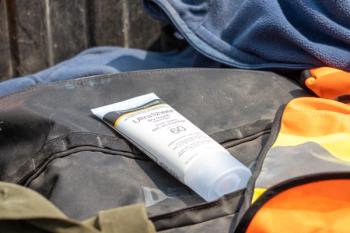
Two new Neutrogena facial sunscreens incorporate bemotrizinol, the first new sunscreen active ingredient added to the US OTC monograph in decades.
Explore the top headlines of the month, including insights on regulatory updates, expert pearls, and more.
To stay up-to-date with the latest dermatology news, sign up to receive our
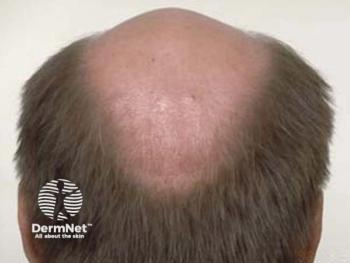
Cosmo Pharmaceuticals reported promising topline results from 2 large phase 3 trials evaluating clascoterone 5% topical solution for male androgenetic alopecia (AGA), potentially representing the first new treatment mechanism for the condition in over 30 years. The trials, SCALP 1 and SCALP 2, enrolled 1,465 men and assessed Target Area Hair Count and patient-reported outcomes, showing statistically significant hair growth improvements versus vehicle, with alignment between objective measures and patient perception. Clascoterone works via local androgen receptor inhibition at the follicle, minimizing systemic exposure and avoiding the hormonal side effects of oral treatments. Safety was favorable, with treatment-emergent adverse events similar to vehicle. If approved, the therapy could expand options for men seeking a mechanistically distinct, topical solution for AGA, with regulatory submissions planned following completion of 12-month safety follow-up in Spring 2026.
At the Dermatology Times Horizons in Advanced Practice meeting in Tampa, Florida, conference chairs Lakshi Aldredge, MSN, ANP-BC, DCNP; Omar Noor, MD; and Douglas DiRuggiero, DMSc, MHS, PA-C, led interactive breakout sessions for dermatology NPs and PAs focused on complex inflammatory skin diseases, including chronic hand eczema and hidradenitis suppurativa (HS). Aldredge highlighted the evolving biologic landscape for HS, reviewing adalimumab, secukinumab, and bimekizumab, and noting that newer IL-17–targeted therapies have expanded treatment options despite similar safety profiles and the need for switching due to relapse over time. Discussions also addressed adjunctive therapies and the relative ease of obtaining biologic approval for HS given its severity and limited options. Aldredge further encouraged NPs and PAs to pursue speaking and publishing opportunities, emphasizing that mentorship, incremental steps, and professional organization resources can build confidence and scholarly engagement over time.
At the recent Horizons in Advanced Practice meeting in Tampa, Douglas DiRuggiero, DMSc, MHS, PA-C, presented novel topical therapies for atopic dermatitis, including ruxolitinib, roflumilast, and tapinarof. He highlighted that these agents are as effective as corticosteroids but with fewer systemic side effects, supporting efforts in steroid stewardship. Attendees discussed treatment nuances, age indications, strengths, and insurance challenges, noting that these topicals could largely replace corticosteroids in maintenance therapy if coverage weren’t an issue.
DiRuggiero also emphasized the value for PAs and NPs in publishing and speaking, as sharing case reports and reviews advances the specialty and contributes to broader medical knowledge.
A 2026 expert consensus reviewed systemic corticosteroid (SCS) use in atopic dermatitis, highlighting significant risks even with short-term courses and reinforcing that long-term or repeated use carries serious adverse effects. The panel defined short-term exposure as <4 weeks and long-term as ≥4 weeks, and emphasized that any SCS use should prompt transition to advanced systemic therapies. Preferred options include IL-4/IL-13–targeted biologics and oral JAK inhibitors, which offer rapid, durable disease control without cumulative corticosteroid toxicity. The guidance aims to standardize practice, reduce harm, and promote safer, more effective long-term management of AD.
Apogee Therapeutics reported positive interim results from a phase 1b trial of zumilokibart (APG777), a novel half-life–extended monoclonal antibody targeting IL-13, in adults with mild to moderate asthma enriched for type 2 inflammation, a population relevant to atopic dermatitis (AD) due to shared immunopathology. In the randomized, double-blind, placebo-controlled study, a single 720 mg dose of zumilokibart was well tolerated, with no serious adverse events, conjunctivitis, injection-site reactions, or anti-drug antibodies observed. Pharmacodynamically, the biologic achieved a mean maximum FeNO reduction of 45 ppb (≈60% from baseline), with suppression maintained through 16–32 weeks, suggesting durable IL-13 inhibition and potential for extended dosing in AD. These findings support Apogee’s ongoing phase 2 APEX program in AD, with phase 3 trials planned for the second half of 2026, and highlight zumilokibart’s promise for sustained disease control, improved adherence, and systemic benefits across comorbid type 2 inflammatory conditions.