This week’s review highlights pediatric oral minoxidil guidance, alopecia areata imaging, inherited skin disorder growth patterns, total-body photography, and radiofrequency microneedling for rosacea.
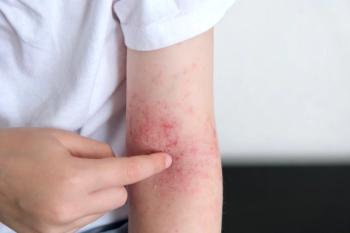
Douglas DiRuggiero, DMSc, MHS, PA-C, reviewed the 3 latest non-steroidal topicals for atopic dermatitis at the Horizons in Advanced Practice meeting.
At the recent
DiRuggiero, a board-certified physician assistant at the Skin Cancer & Cosmetic Dermatology Center in Cartersville, Georgia, first presented “
Stay tuned to Dermatology Times for a deep dive into each chair’s sessions.
Q: Can you provide an overview of your second Horizons in Advanced Practice breakout session on topical therapies for atopic dermatitis?
DiRuggiero: My second breakout session was on using some of the new, novel topical medications for the treatment of atopic dermatitis. This has been a real renaissance of therapies over the last several years. It’s super exciting to finally have topicals that are as good as topical corticosteroids, but with none of the side effects. There's a big push right now, appropriately so, for an emphasis on topical steroid stewardship and realizing the dangers that go beyond cutaneous problems and the systemic problems that topical steroids are responsible for. So, we moved into all 3 of the topicals: ruxolitinib, the JAK inhibitor that we utilize for its control and atopic dermatitis control. Additionally, the other 2 have different mechanisms of action; the newer generation topical roflumilast, which is currently available, and multiple indications for it as well. And then tapinarof, the new aryl carbon receptor agonist.
Q: What were some of the discussion points from attendees?
DiRuggiero: We talked about the nuances of each topical, the different age indications, and their strengths. But overall, you could see that everyone in the room was saying it's great to have these. Access is our biggest issue— getting these topicals covered by insurance. But in a non-insurance world, I think they would completely replace topical corticosteroids for all of our maintenance. Steroids aren't going to go away, but they need to be utilized far less than they are now. And that was what we came away with from that group consensus.
Q: What is the value of PAs and NPs becoming involved in speaking and writing opportunities?
DiRuggiero: There is tremendous value in publishing. It's a way for us as APPs to see our profession and our involvement in this specialty to be magnified and recognized. It's exciting to publish something because you're contributing something to the larger body of medical knowledge, and it's enduring. It's not just telling your patient about something; it's telling everybody who has access to it about an adverse event, an interesting case report, an interesting presentation, or a systematic review; all these different things that are available to do in print. Anyone who’s going to allow and foster that, I'm very supportive of, because I think PAs and NPS don't have that as part of their training.
It’s important to partner with publishing entities like Dermatology Times and other publications that are focusing on PAs and NPs now, and not just allowing them a spot to print, but mentoring them through the process and giving them that encouragement to be the first. It's a daunting task to say, ‘I want to publish something. How do I do it? Where do I go?’
Keep up with upcoming Dermatology Times events