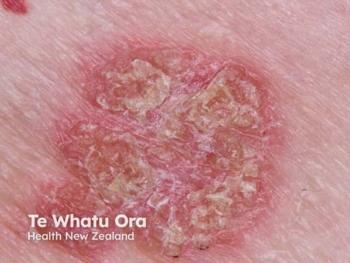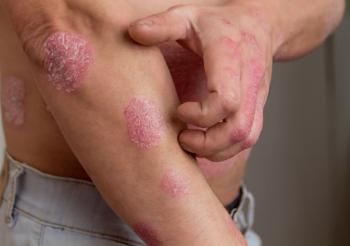
Tina Bhutani-Jacques, MD, explored how disease location, prior treatment response, and patient preference shape topical treatment decisions across 3 plaque psoriasis cases.

Psoriasis impacts physical and emotional health, with hidden burdens like trauma and IPV affecting quality of life and care access.
For more than 7.5 million adults in the US with psoriasis—roughly 3% of the adult population—psoriasis is far more than a visible irritation.1 It is a chronic inflammatory disease that silently affects the whole body, touching physical health, emotional well-being, and social life in ways that need to be addressed.
According to the National Psoriasis Foundation’s 2024 Psoriasis Health Indicator Report, severe cases are linked to a 46% higher risk of cardiovascular disease, along with increased chances of stroke, heart attack, and metabolic disorders such as diabetes and obesity.2 People with severe psoriasis may die years earlier than those without the disease, with men losing an average of 3.5 years of life and women 4.4 years. The inflammation that produces skin lesions also impacts blood vessels and internal organs, making it a silent but serious threat to overall health. Approximately 9% to 33% of people with psoriasis develop psoriatic arthritis, an inflammatory joint disease. In many cases, this arthritis goes undiagnosed, leaving patients at risk of permanent joint damage and functional limitations. Studies indicate that 10% to 15% of individuals with psoriatic arthritis remain undiagnosed, delaying care and increasing long-term complications.2,3
Between 40% and 43% of people with psoriasis report that it moderately to very much affects their quality of life. Lesions on the face, hands, scalp, or other visible areas can make everyday activities, such as shaking hands, dating, or participating in social gatherings, stressful and anxiety-inducing.4 Social stigma is a hidden but powerful burden. Research shows that 54% of the general population would feel uncomfortable dating someone with psoriasis, and between 32% and 39% would hesitate to shake hands with, share a meal with, or invite a person with psoriasis into their home.2 Although patients often perceive less stigma than society assumes, this social discomfort contributes to feelings of isolation, low self-esteem, and depression.4
Emerging research highlights another hidden burden of psoriasis: the role of trauma, particularly intimate partner violence (IPV), in affecting patients’ quality of life. A study of 134 women with psoriasis found that nearly half (46.3%) had experienced some form of IPV in their lifetime. Psychological abuse was most common, affecting 45.5%, followed by physical (15.7%) and sexual abuse (8.2%).5 Women with a history of IPV reported significantly worse quality of life and higher levels of posttraumatic stress. Although psoriasis severity itself did not differ dramatically, stress and trauma were correlated with disease activity, suggesting that chronic stress can worsen inflammatory symptoms. As Stacey Swinehart, DNP, FNP-BC, DCNP, a dual board-certified family and dermatology nurse practitioner at Waccamaw Dermatology in Myrtle Beach, South Carolina, explained in a interview with Dermatology Times, “Although the physical abuse of IPV can be displayed on the skin, including bite marks, burns, hand prints, and bruises on not commonly damaged areas [ie, ears, neck, back], it can also present as withholding medications and withholding medical care. The immense stress on a victim/survivor can present as difficult-to-treat inflammatory conditions [ie, eczema, psoriasis, hidradenitis suppurativa]. The signs and symptoms often include a combination of your interview questions, physical exam findings, and patient rapport [patient disclosure].” Swinehart emphasized the importance of empathy in care, saying, “Leading with empathy, you can then bring up the facts of the physical exam findings you suspect to be related to violence and inform the patient that you want to ensure their safety and provide available resources if they desire them.” This approach highlights the role of clinicians in recognizing psychosocial contributors to disease while creating a safe space for patients.
Members of racial and ethnic minority populations face significant disparities in psoriasis care. They are 112% more likely to have undiagnosed disease than White individuals, often wait 3 times longer for a diagnosis, and are less likely to receive advanced therapies.2 Despite more severe disease, members of minority populations tend to have lower access to dermatologic care and biologic treatments. These disparities emphasize the importance of raising awareness, improving access, and advocating for equitable health care solutions.
Chronic stress, anxiety, and depression are more common among patients and can worsen disease severity. Flare-ups often occur unpredictably, triggered by illness, environmental changes, or stress. When compounded with experiences of IPV, the emotional burden can be profound. Swinehart explained, “A positive and supportive interaction with a health care provider can make victims or survivors feel validated, safe, and empowered.” In the study of women with psoriasis, posttraumatic stress scores were nearly double in those with IPV exposure, highlighting how trauma intensifies the psychosocial impact of the disease.5 Patients often describe feeling trapped in this cycle, balancing the physical discomfort of lesions and joint pain with the emotional strain of navigating relationships, work, and social environments. Without support, these burdens can become overwhelming, contributing to a vicious cycle where stress worsens symptoms, and symptoms increase stress.
Although medications can help control skin lesions and inflammation, effective management of psoriasis requires a holistic approach. Addressing joint symptoms, monitoring for cardiovascular and metabolic risks, providing emotional support, and helping patients cope with social stigma are all essential components of care. Swinehart advises, “The provider needs to be prepared and aware of all the resources at their disposal and then present them to the patient. The provider needs to be prepared to meet the victim or survivor where they are.” This guidance reflects the importance of combining medical treatment with psychosocial support, particularly for patients who have experienced trauma.
Psoriasis is often underestimated, even by those who live with it. Its visible symptoms can overshadow the burdens: emotional stress, trauma, social challenges, work impairment, and hidden health risks. Recognizing psoriasis as a systemic condition that interacts with psychological and social factors, including IPV, is critical for improving the lives of those affected. By understanding the full scope of psoriasis and acknowledging trauma, clinicians can better support patients through education, access to comprehensive care, and reducing stigma. As Swinehart concluded, “Know your resources, both national and local. Let the experts help us help our patients.” Psoriasis is far more than skin-deep. It has wide-ranging consequences that demand attention, compassion, and comprehensive care. Awareness of its hidden burdens, including the interplay between disease, social stigma, and trauma, is the first step toward improving health, quality of life, and social inclusion for millions of patients with this often-misunderstood disease.
References
1. Armstrong AW, Mehta MD, Schupp CW, Gondo GC, Bell SJ, Griffiths CEM. Psoriasis prevalence in adults in the United States. JAMA Dermatol. 2021;157(8):940-946. doi:10.1001/jamadermatol.2021.2007
2. Psoriasis health indicator report. National Psoriasis Foundation. January 2024. Accessed December 15, 2025. https://www.psoriasis.org/ health-indicator-report/
3. Villani AP, Rouzaud M, Sevrain M, et al. Prevalence of undiagnosed psoriatic arthritis among psoriasis patients: systematic review and metaanalysis. J Am Acad Dermatol. 2015;73(2):242-248. doi:10.1016/j.jaad.2015.05.001
4. Jankowiak B, Kowalewska B, KrajewskaKułak E, Khvorik DF. Stigmatization and quality of life in patients with psoriasis. Dermatol Ther (Heidelb). 2020;10(2):285-296. doi:10.1007/s13555- 020-00363-1
5. Agaoglu E, Yılmaz-Karaman IG, Acıkbas F, Kaya Erdogan H. Intimate partner violence exposure among women with psoriasis: a crosssectional study. BMC Womens Health. Published online November 28, 2025. doi:10.1186/s12905- 025-04170-8
9 months ago
Dermatology Times January 2026 Print Recap