



Rosacea
Latest News
Advertisement
Latest Videos




CME Content


Advertisement
More News
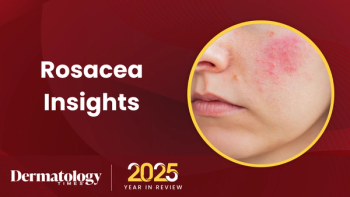
As 2025 comes to a close, Dermatology Times is taking a look back at the studies, therapies, and advances in rosacea this year.

Discover the latest insights on laser and energy-based treatments for rosacea, highlighting the effectiveness of radiofrequency microneedling and combination therapies.

Discover how mesotherapy with hyaluronic and succinic acids significantly improves rosacea symptoms, offering a cost-effective adjunct therapy option.

New research highlights the psychosocial impact of rosacea on Chinese patients, linking lifestyle factors and comorbidities to quality of life.

IKI Skin Care by Maria Urbani, MD offers effective solutions for rosacea and sensitive skin through science-backed, minimalist formulations.
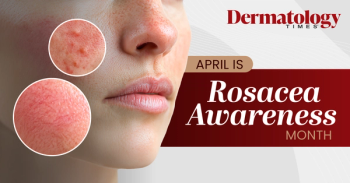
Explore the latest insights, strategies, and treatments for patients with rosacea as Dermatology Times looks back on Rosacea Awareness Month.
Discover innovative rosacea treatments combining injectable hyaluronic acid with traditional therapies to enhance skin health and boost patient confidence.
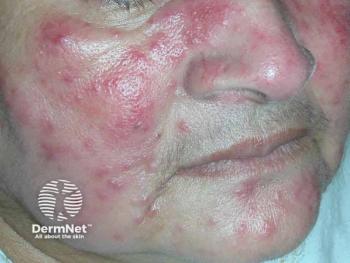
Researchers conduct a review to understand the efficacy and safety of topical minocycline for the treatment of moderate to severe papulopustular rosacea.
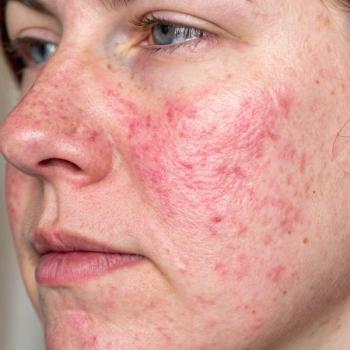
Over the past few years, research on the microbiome and dysbiosis has gained interest in the potential exacerbation of several skin diseases, including rosacea.

Improvements in hydration, erythema, itching, and burning were observed after 12 weeks of treatment for papulopustular rosacea.

Experts explore how rosacea research is evolving, with new treatments, gaps in care, and a push for more inclusive, targeted approaches.

The product was safe and effective after 4 weeks of topical use, specifically on patients with darker skin types.

Researchers behind a recent review shared expert insights, treatment guidelines, and differential diagnosis techniques for pediatric rosacea.

Each treatment had benefits and disadvantages for patients who struggle with rosacea-associated erythema.
The lowest-dose oral minocycline for rosacea is now available by prescription following FDA approval in November 2024.

The findings of the MVOR-1 and MVOR-2 studies are published in JAMA Dermatology, supporting the rosacea drug’s recent FDA approval.

Patients receiving SSA treatments showed significant improvements after just 2 sessions, supporting its rapid efficacy.
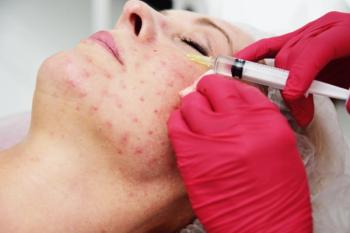
Symptoms of rosacea and dependence on oral medication were reduced in all 5 case studies.
Researchers found the combination therapy significantly reduced rosacea severity, with 64% achieving mild or normal status in just 4 weeks.
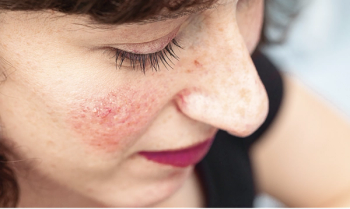
DFD-29, FDA-approved in 2024, revolutionizes rosacea management by addressing both erythema and inflammatory lesions with a novel extended-release formulation.

As 2024 comes to a close, Dermatology Times is taking a look back at the studies, therapies, and advances in rosacea this year.
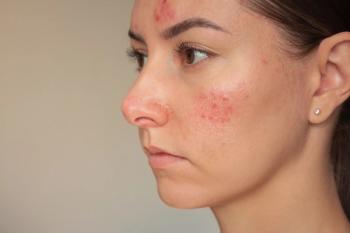
In Middle Eastern communities specifically, patients with higher disease severity and duration are predicted to have poorer psychological outcomes.
At the 2024 SDPA Fall Conference, Hilary Baldwin, MD, highlighted innovative strategies for managing complex rosacea cases, the importance of combination approaches, and a slowing treatment pipeline.
The minocycline hydrochloride extended release capsules (40 mg) represent a new standard of care for patients with rosacea.

Designed to fill a gap in rosacea evaluation, the TRoSA scale provides an objective method for tracking telangiectasia severity, which could also be integrated with AI for automated assessments.
Advertisement
Advertisement
Trending on Dermatology Times
1
Clascoterone 5% Topical Solution Shows Long-Term Promise for Male Pattern Hair Loss
2
Neutrogena Launches New Sunscreens With Newly Permitted UV Filter Bemotrizinol
3
Dersimelagon NDA Accepted by FDA with Priority Review for EPP, XLP
4
Targeted Skincare, Dermabrasion Show Skin Quality Improvements During Medical Weight Loss
5