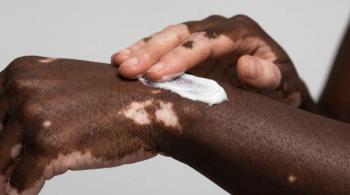
Longer treatment duration was independently associated with VASI improvement, while publicly insured patients experienced higher topical JAK inhibitor denial rates.
As 2024 comes to a close, Dermatology Times is taking a look back at the studies, therapies, and advances in rosacea this year.
The study explored the potential role of hormonal changes, specifically estrogen levels, in the pathogenesis of rosacea.
Alongside expert dermatologists, the NRS developed a Seal of Acceptance for skin care and cosmetic products clinically tested and evaluated for patients with rosacea.
The American Acne and Rosacea Society welcomed Del Rosso as its new president, and he shared key takeaways from his AAD sessions.
One study uncovered high levels of CGRP in patients with rosacea, with levels not affected by age, sex, BMI, and other factors.
Researchers compared a variable-sequenced, large-spot 532 nm KTP laser to the 595 nm pulsed-dye laser
Chinese clinical researchers presented a unique case of JLIS manifesting as erythematous papules and infiltrative plaques on the nose and upper jaw, resembling rosacea.
Scores for erythema, dryness, quality of life, and aesthetic improvement were all markedly improved in patients using tranexamic acid versus traditional therapy alone.
Researchers found evidence from numerous studies claiming LDI could improve rosacea symptoms and decrease flare-ups.
A review found the antifibrinolytic drug performed well in several clinical studies, none of which reported severe adverse events.
A study reviewed the current evidence on the impact of key vitamins and minerals on rosacea and provided clinical recommendations.
A review of 43 studies found that systemic treatments generally provide greater reductions in rosacea ILs compared to topical therapies.
Research evaluated 6 patients with rosacea treated with JAK1 inhibitors upadacitinib and abrocitinib.
The study found 277 differentially expressed genes shared by RA and rosacea, opening up opportunities for treatment research.
Mendelian randomization suggested a potential causal relationship between the 2 variables.
The study found that higher doses of BTX “significantly” improved facial erythema and patient quality of life compared to lower doses.
The study stated that enhancing patient education and psychological support can improve rosacea management and quality of life.
A review found the LDI shows significant symptom improvement but needs further study for long-term maintenance.
Del Rosso’s cases emphasized the importance of thorough patient evaluation and communication with other health care providers.
Hilary Baldwin, MD, emphasized involving patients in the decision-making process to create a personalized and cost-effective plan.
Experts shared pearls for acne and rosacea care at Maui Derm NP+PA Fall.
The trial results indicated improved disease control, integrity of skin barrier, and minimal reactions for patients with rosacea.
Designed to fill a gap in rosacea evaluation, the TRoSA scale provides an objective method for tracking telangiectasia severity, which could also be integrated with AI for automated assessments.
The minocycline hydrochloride extended release capsules (40 mg) represent a new standard of care for patients with rosacea.
At the 2024 SDPA Fall Conference, Hilary Baldwin, MD, highlighted innovative strategies for managing complex rosacea cases, the importance of combination approaches, and a slowing treatment pipeline.
In Middle Eastern communities specifically, patients with higher disease severity and duration are predicted to have poorer psychological outcomes.
Don’t miss a moment of Dermatology Times by signing up for our eNewsletters and subscribing to receive the free print issue and supplements each month.