


Learn more about the in-depth topics covered in the October 2023 print issue of Dermatology Times.
Learn more about the in-depth topics covered in the October 2023 print issue of Dermatology Times.

Preposterous opinions are not considered perjury. Fictional factual claims may be actionable as perjury.

It is important to know about any and all fees one is being charged because the transparency of the fee is a sign of an ethical business model.

Sometimes patients are unsure of what they can request from an employer for their skin conditions, and advice from a trusted clinician about reasonable accommodations can serve as an extra step to build their confidence to continue their career.

Skin conditions can be associated with the presentation, progression, and treatment of breast cancer.

Last week was Body-Focused Repetitive Behaviors Awareness Week. Related to dermatology, dermatillomania, also known as skin picking disorder, is a condition that requires empathy and understanding year round.

This month's cover feature delves into the new applications and use of AI in dermatology and considers how AI can support clinicians rather than hinder them.

Aaron Farberg, MD, and Shanna Miranti, MPAS, PA-C, discuss the upcoming approvals of nivolumab and IDP-126.
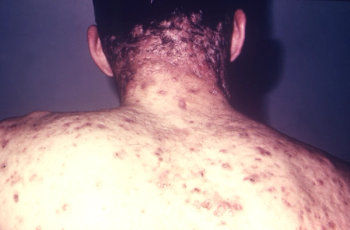
The impact of acne conglobata on individuals underscores the crucial role dermatologists play in providing effective diagnosis, treatment, and emotional support.

Dermatologist Diego Ruiz Dasilva, MD, FAAD, and a patient with atopic dermatitis discuss the patient journey from initial symptoms to diagnosis to treatment selection.

Experts discuss the treatment landscape of generalized pustular psoriasis as well as review difficult cases of GPP.

The impact begins in utero, with the diet and health of the mother playing a key role in the potential for a child to develop diseases.

This World Mental Health Day, Zoe Diana Draelos, MD, discusses the importance of prioritizing physician well-being in order to prevent burnout, or as Draelos instead refers to it, "stasis."

The October issue of Dermatology Times spotlights numerous awareness campaigns and their impact on improving and enhancing patient care.

Dermatology Times Editor in Chief Zoe Diana Draelos, MD, delves into the topic of hair health, including pearls and best practices for preventing hair breakage in patients.

Dermatology physician assistant Renata Block, MMS, PA-C, discusses pearls and best practices for patients ahead of October and Halloween festivities.
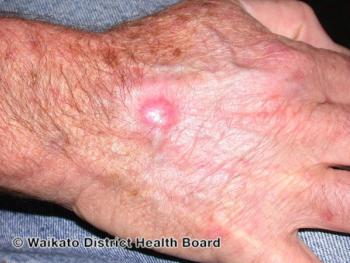
Surgical removal techniques including Mohs surgery and excisional surgery are preferred treatment approach when addressing BCCs, particularly on the hands.
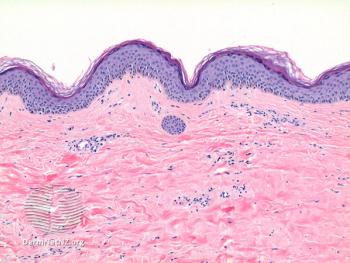
Many studies have investigated the associations between lichen sclerosus and vulvar and penile SCCs, as well as genital melanomas.

Vitiligo and psychiatric disorders share a strong connection, with up to 90% of vitiligo patients having comorbid psychiatric conditions.
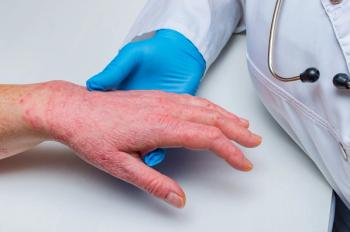
October is Eczema Awareness Month and Dermatology Times is recognizing research to best serve patients with the most common type of eczema, atopic dermatitis.

Zoe Diana Draelos, MD, developed the study to examine the efficacy and tolerability of a once-daily 3% salicylic acid treatment gel containing turmeric, a low concentration of salicylic acid, and shea butter exfoliating moisturizer in the management of psoriasis flare-ups, either as a monotherapy or as a supplement to other psoriasis treatment regimens.

This week’s collection of the latest dermatologic studies covers aseptic facial granulomas, chronic spontaneous urticaria and IgE, a case review of crusted scabies, and the safety and tolerability of onabotulinumtoxinA.

Steven Dayan, MD, FACS, first author behind a recent study involving high rates of patient satisfaction following treatment with botulinum toxin, discusses the importance of placing patient satisfaction at the forefront of cosmetic dermatology.
This week’s collection of the latest dermatologic studies covers the hair regrowth cycle in mice, considering large language models in dermatology, cutaneous leiomyosarcomas subtypes, and the efficacy of tralokinumab in older adults with atopic dermatitis.