


A split-face study investigating facial rejuvenation found better outcomes using microneedling followed by topical application of a stem cell derived conditioned media versus microneedling alone.
A split-face study investigating facial rejuvenation found better outcomes using microneedling followed by topical application of a stem cell derived conditioned media versus microneedling alone.

Some adverse reactions to cosmetic procedures occur more often in patients with darker skin types. Patients should be counseled on appropriate cosmetic procedures for their skin type, according to Cheryl M. Burgess, M.D., at the Skin of Color Update virtual meeting.
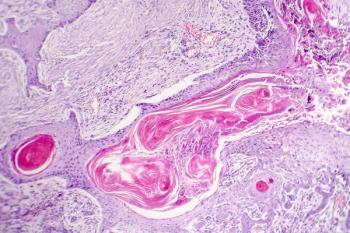
Superficial radiation offers a newer, FDA-approved office-based option that is safe. Steven A. Davis, M.D., shares his experience using surface radiotherapy to treat his patients with non-melanoma skin cancer.
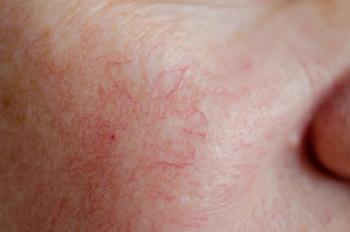
Treatment with a pulsed dye laser followed immediately by intradermal botulinumtoxinA injections appears safe and improved erythema, flushing, burning and pruritus, according to a recent study.

A recent study showed that curettage and cryotherapy, and electrodesiccation and curettage are two techniques that have comparable cure rates. The study’s findings highlight the efficacy and reliability of these treatment approaches for minimally invasive cutaneous carcinomas.
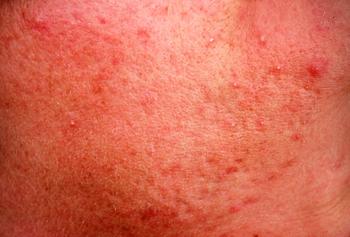
The 21-member global ROSacea Consensus panel developed updated recommendations for rosacea, diagnosis, classification and management to support and promote transition to a phenotype approach in rosacea.

The idea that rosacea is uncommon in darker skinned individuals may be due to under-recognition. Careful clinical examination, a thorough history and biopsy in some cases are needed for accurate diagnosis and differentiating rosacea from diseases that may be more common.

Zoe Diana Draelos, M.D., shares why retinoids can be found in many anti-aging formulations and how to reduce irritation from this potent antioxidant.

Since the start of the pandemic, dermatologists have seen an average 50% drop in patient volume. While teledermatology has offered a channel for non-urgent patients and patient visits are rebounding, overall patient volumes are still significantly lower than 2019.

In this month’s Legal Eagle article, David J. Goldberg, M.D., J.D., discusses the different professional standards of disclosure that a physician must fulfill when treating patients.
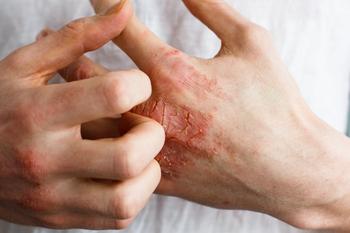
Adults with atopic dermatitis (AD) stay on dupilumab (Dupixent, Sanofi and Regeneron) significantly longer than on cyclosporine, according to a recent study.

Across all doses, lebrikizumab showed significant dose-dependent improvement in primary study endpoints for improvements in atopic dermatitis, according to data from phase 2b trials.

A retrospective review of patients seen in an academic dermatology clinic over a one-year period identified 20 individuals with nasal papules in association with acne, which are thought to represent scarring sequelae. The condition is underrecognized, researchers say and requires further research to better understand.

Hidradenitis suppurativa has come to be associated with systemic inflammation as well as a growing list of comorbidities including acne conglobate.

"Clean" skincare has become a popular trend. A preference for products without certain ingredients is fine if the products make patients feel better without making their skin worse, one expert says.

Vehicles for topical atopic dermatitis treatments deliver benefits that promote barrier restoration and enhance innate immune defenses, a review suggests.

Phase 3 data show tildrakizumab’s (Ilumya, Sun Pharma) efficacy and safety last up to five years.

According to a recent meta-analysis, patients who stop and restart biologic treatment can regain psoriasis control without experiencing unexpected safety issues.

Tape strips outperformed skin biopsies by differentiating eczema from psoriasis with high accuracy, researchers report.

Studies offer further insight into risks associated with biologic therapy. One study suggests it’s not necessary to stop biologic therapy preoperatively to limit post-operative infections. Another systematic review does not rule out melanoma risk.

Blastic plasmacytoid dendritic neoplasm (BPDCN) is a rare but aggressive hematologic malignancy that often manifests with asymptomatic skin lesions that often appear as bruise-like lesions, plaques or nodules. With one approved drug available, researchers are studying additional investigational agents.