


Learn more about the in-depth topics covered in the March 2024 print issue of Dermatology Times.
Learn more about the in-depth topics covered in the March 2024 print issue of Dermatology Times.

Researchers found that patients who initiated gender-affirming hormone therapy with testosterone were more likely to experience a worsening of their HS symptoms.

In this month's Legal Eagle column, learn about the liabilities and how to prevent wrong-site procedures.

By understanding employment contract essentials, dermatologists can ensure that their employment contract protects their interests and supports their career goals.

In her March edition of Cosmetic Conundrums, Zoe Diana Draelos, MD, explores the role of exosomes in aesthetic dermatology, changes in the skin, and more.

The social and psychological effects of vitiligo, particularly concerning gender disparities, have come to the forefront in recent literature.

From our March cover feature: Vulnerable populations such as the prison population should have access to Mohs surgery to prevent the increased risk of morbidity and mortality from skin cancer.

Tween skin care has become a rising trend across social media platforms such as TikTok, and dermatology clinicians are becoming increasingly concerned about misinformation.

Patients with psoriatic disease face an increased risk of cardiovascular disease. Clinicians should consider this when determining management and treatment modalities for patients with psoriasis.

Our March 2024 publication features stories that reflect the sense of growth and newness in the specialty.

Today is International Women's Day. Dermatology Times spoke with 5 women clinicians in the field to discuss the influences and advice that brought them to where they are today.

In our March publication, Winter Editor in Chief Christopher Bunick, MD, PhD, delved into the growing concern of benzene in personal care products. This commentary becomes all the more important in light of the recent findings of high levels of benzene in acne products.

Data on pigmentary disorders worldwide and clinical study results were presented at the IMCAS World Congress 2024 meeting.

This week’s collection of the latest dermatologic studies covers hair matrix cells, comorbidity associations of hidradenitis suppurativa, risk factors of infantile hemangioma, and giant cell collagenomas in a patient with Cowden syndrome.
This week’s collection of the latest dermatologic studies covers the causal relationship between lipid-related metabolites and androgenic alopecia, contact allergens in self-tanning products, a retrospective cross-sectional analysis of vitiligo patients in Canada, and combining systemic anti-PD-1 treatment with adjuvant ablative fractional laser in a mouse model of cutaneous SCC.

Interim data from the clinical trial was presented in a poster at the South Beach Symposium, with itch reduction demonstrating immediacy and long-term capability.

The guidelines update the American Academy of Dermatology’s 2016 recommendations for acne management in adults, adolescents, and children aged 9 and older.

An immunosuppressed patient with refractory plantar warts showed improvement following cantharidinpodophyllotoxin-salicylic acid (CPS) monotherapy.

A poster presented at Maui Derm Hawaii delved into the efficacy and safety of trifarotene 50µg/g cream in acne vulgaris and PIH.

Seemal Desai, MD, highlighted the challenges and opportunities to best serve patients seeking solutions for acne scars, melasma, vitiligo, and cosmetic concerns.
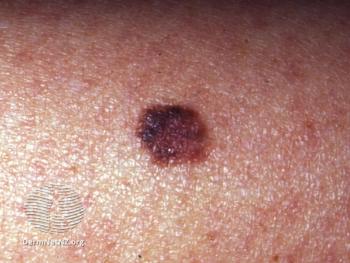
The promising results were presented in a poster at the 2024 Winter Clinical Hawaii Dermatology Conference in Honolulu, Hawaii.