


Regenerative medicine is still in its infancy, but patient demand and ease of use are growing its popularity among dermatologists. However, regulatory issues raise concerns.
Regenerative medicine is still in its infancy, but patient demand and ease of use are growing its popularity among dermatologists. However, regulatory issues raise concerns.
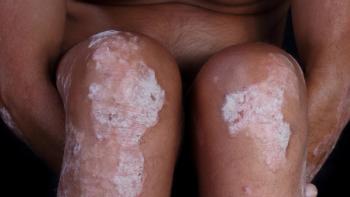
Study findings show calcipotriene-betamethasone foam to be safe and moderately effective in skin of color patients with psoriasis but failed to meet several secondary endpoints and to demonstrate statistically significant changes.

Artificial intelligence diagnostics are less accurate on skin of color than light skin, even when trained on equal numbers of images.

Microneedling with or without radiofrequency energy has become a very popular cosmetic procedure. Understanding the science behind these versatile devices can help clinicians better harness their therapeutic potential and ensure positive treatment outcomes in their patients.
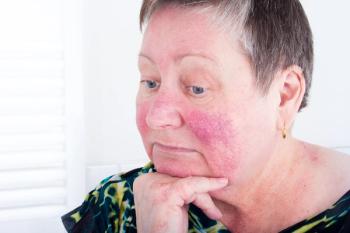
In treatments addressing muscular contraction, botulinum toxin inhibits nerves that innervate blood vessels from releasing acetylcholine, which triggers vasodilation. Its impact on the innate immune system suggests that botulinum toxin may also help reduce recalcitrant rosacea-related papules and pustules.
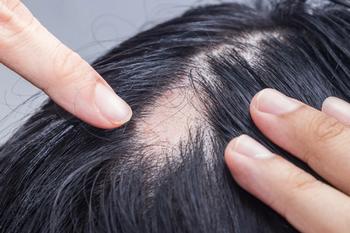
Phase 2 data adds to evidence showing efficacy of JAK inhibitors for treating alopecia areata, for which there are no FDA-approved treatments.

In this month's Legal Eagle column, David J. Goldberg, MD, JD, explores the legality of terminating an employee for refusing a COVID-19 vaccine.
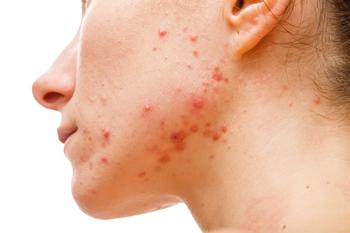
Data from trials show tazarotene 0.045% lotion is an effective treatment for moderate to severe facial acne and improves acne-related QOL in patients across BMI categories.

In this month's Cosmetic Conundrums column, Dermatology Times Chief Medical Editor Zoe Diana Draelos, MD, discusses how to solve common challenges associated with pierced earrings.
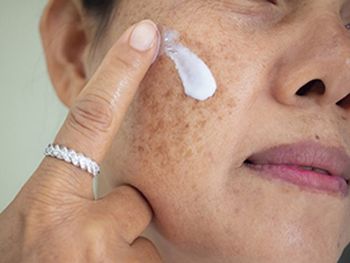
An array of agents for blocking visible light and lightening skin are joining the armamentarium to treat melasma. Despite this expanding number of therapeutic interventions, melasma is a chronic, therapeutically challenging disease for which there is no cure, so treatment plans should address both management of the disease and patient expectations.
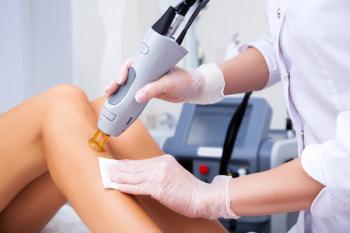
Determine whether a laser device is a good investment for a specific practice and, if so, how to choose the right piece of equipment.

How hackers plan to attack your practice—and what you can do about it.

New treatments continue to expand therapy options, but a cure remains elusive.
Each month, Dermatology Times® features a roundup of products trending in skin care. Click here to find out what products are trending for the month of April.

Findings from a recent study indirectly support therapeutic approaches aimed at restoring the dermal matrix.
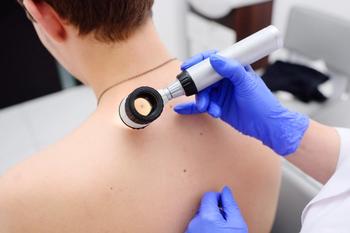
Treatment pairing dabrafenib and trametinib could have expanded benefits for patients with melanoma.

Recent observations highlight new treatment efficacy in women and skin of color patients with truncal acne.

Increasing reports have surfaced of vaccine recipients experiencing delayed cutaneous side effects after receiving the first dose. Experts assure that while the delayed side effect is uncomfortable, it is temporary and can be treated at home.
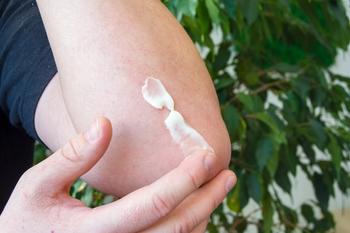
Incyte announces the FDA has accepted the NDA for ruxolitinib cream for priority review. Ruxolitinib cream is a topical selective janus kinase (JAK)1/JAK2 inhibitor intended for the treatment of atopic dermatitis.
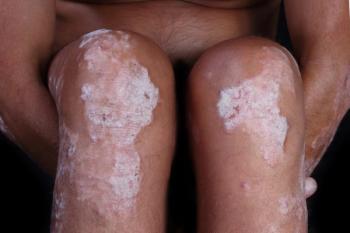
Sun Pharmaceuticals announces the publication of results from its 5-year extension studies evaluating the safety, efficacy and tolerability of tildrakizumab-asmn.