


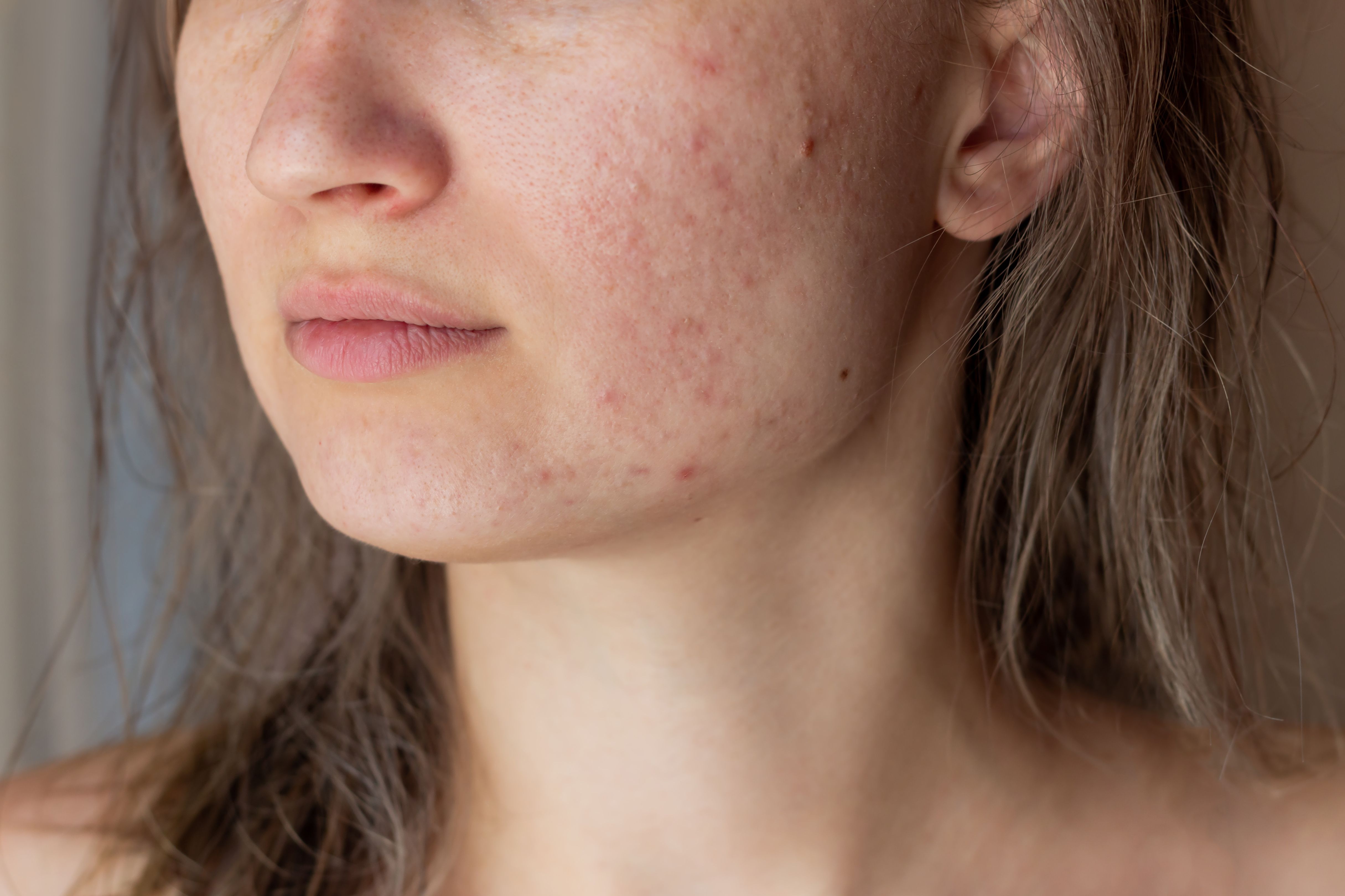

Acne
Latest News
Advertisement
Latest Videos




Advertisement
More News

Supplementation with RGLE led to clinically significant improvements in patients with acne vulgaris, according to a study.
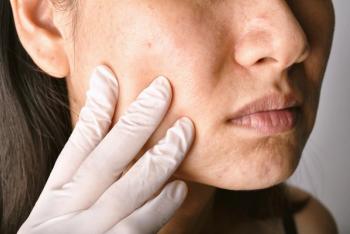
A new acne-specific HRQoL questionnaire developed in Europe could help to create more comprehensive, individualized treatment plans.

Acinonyx Bio's topical cream, ACX, targets Propionibacterium acnes.

Authors of a recent review concluded that combining various therapies holds promise in the treatment of acne scarring.

The awarded grant will span a total of 3 years.
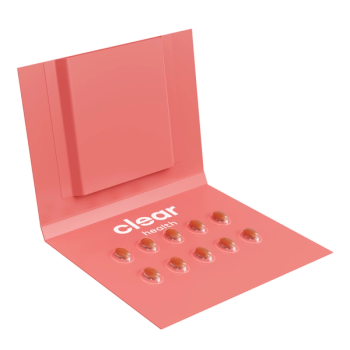
Aaron Farberg, MD, discusses the low-dose, affordable Accutane treatment and Clear Health’s mission to improve patient access to affordable acne therapies.
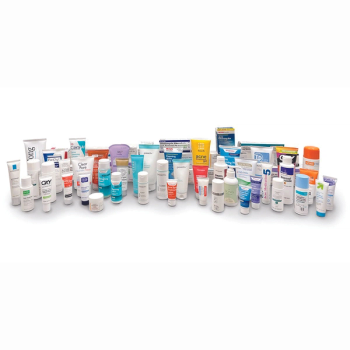
From our April cover feature: Take an in-depth look at the basis of Valisure's benzene testing methods and practical recommendations for clinicians from Christopher Bunick, MD, PhD.

Mona Gohara, MD, explained the importance of the products' impact on the skin barrier.
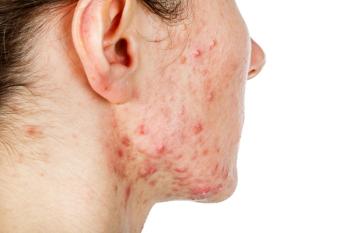
Over 50% of women in their 20s and over 35% of women aged 30 to 39 years struggle with adult female cystic acne.

The statement said the petition came as a surprise to many ahead of AAD, and delves into the data complexity and patient considerations.

In this week’s Pointers With Portela, the 208SkinDoc dives into the efficacy and adverse effects of generic vitamin A to treat acne.
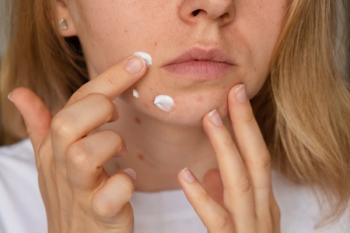
On March 6, 2024, Valisure, an independent testing laboratory, found high levels of benzene when BPO products were incubated at 37°C, 50°C, and 70°C.
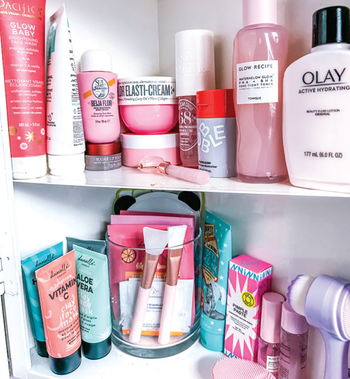
Tween skin care has become a rising trend across social media platforms such as TikTok, and dermatology clinicians are becoming increasingly concerned about misinformation.

Christopher Bunick, MD, PhD, presented updates and new data on the recent news of benzene found in benzoyl peroxide products.

Naiem Issa, MD, PhD, emphasized the importance of increased awareness regarding antibiotic stewardship among dermatologists, as well as the recently updated acne guidelines.
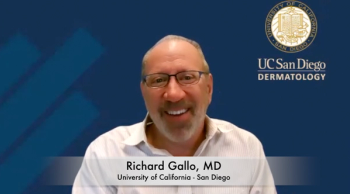
Gallo presented pearls on the pathophysiology of acne and how newer studies have changed acne treatment methodologies at AAD 2024.

The American Acne and Rosacea Society welcomed Del Rosso as its new president and he shared key takeaways from his AAD sessions.
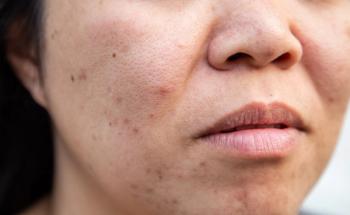
Niacinamide is a versatile skincare ingredient that effectively targets acne, age-related issues, hyperpigmentation, and atopic dermatitis, writes Anjeza Fero, PharmD, RPh.

High levels of the chemical benzene, which has been linked to cancer, were detected in numerous consumer acne products, including from major brands such as Proactiv, Clinique, and more.

As someone who practices dermatology, it can often be difficult to determine if any of these new skin care trends are efficacious.
In this week’s Pointers With Portela, the 208SkinDoc discusses dangerous skin care marketing to watch out for.

Despite its black box warning, isotretinoin does not appear to increase the risk of suicide in acne patients, a finding investigators say is reassuring in their latest research.

We want to hear from you. Please take the time to respond to our survey.
In this week’s Pointers With Portela, the 208SkinDoc reviews a potentially misleading acne vitamin from Clearstem Skincare.

Barbieri spoke with Dermatology Times to discuss the new guidelines and the recommendations and good practice statements included.
Advertisement
Advertisement
Trending on Dermatology Times
1
Biologic Therapy Linked to Lower 10-Year MACE Risk Across Racial Groups in Psoriasis
2
Former CDC Director Robert Redfield Joins Turn Therapeutics as Chief Scientific Officer
3
Body Weight, Not BMI, Associated With Brodalumab Response Trajectory in Plaque Psoriasis
4
FDA Grants QRX003 Rare Pediatric Disease Designation in Peeling Skin Syndrome
5