


Acne
Latest News
Advertisement
Latest Videos


Advertisement
More News
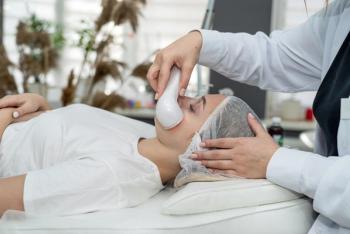
A new study details the effectiveness of non-invasive HFUS and CDFI technologies for revealing residual disease not captured by clinical evaluation in patients with acne.

Swanson and Silverberg explain why tween skin care trends harm barriers, and how clinicians can simplify routines and spot allergens.
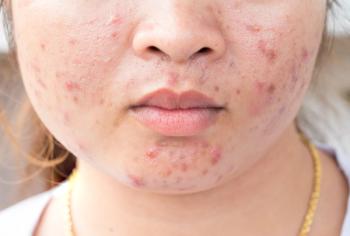
New study links acne to higher serum amyloid A1 inflammation, while lipid shifts hint at systemic effects and new clues for scars and severity.
On National Dermatologist Day, EltaMD unveils oil-balancing UV Clear SPF 50, clinically reducing the appearance of blemishes, shine, and pore size. Learn more in this Q&A with Seemal R. Desai, MD, FAAD, and Annie Woo, MD.

Researchers observed early reductions in acne lesions, with improvements beginning within 5 days of dermocosmetic treatment in patients with acne.
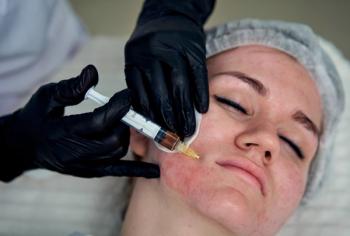
Needle-free botulinum toxin microjet TDA delivery cuts facial oil up to 40%, refines pores, and boosts confidence without bruising or downtime in acne patients.

A new study reveals gaps in acne management for teens with PCOS; Hispanic patients are less likely to receive spironolactone, COCs, or isotretinoin treatment.
FDA eases iPLEDGE REMS for isotretinoin acne care, allowing some at-home pregnancy tests and fewer lockouts to reduce administrative burden.
At MOPD 2026, Nanette Silverberg, MD, and Lisa Swanson, MD, unpack teen AD, fragrance allergy, and social media skin care hype harming barriers.
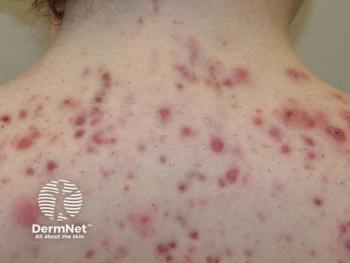
Sagimet and Ascletis shared denifanstat's 52-week safety results plus sustained improvements, highlighting a once-daily oral FASN inhibitor for acne.
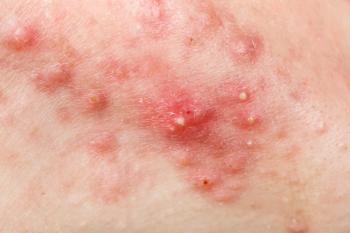
Almirall's sarecycline gains NMPA approval in China, offering a new oral treatment for moderate-to-severe acne, enhancing patient access and outcomes.
Fractional CO₂ laser treatment effectively reduces acne scars in Middle Eastern patients, balancing safety and efficacy for darker skin types.

Put your dermatology expertise to the test with Dermatology Times’ interactive quiz series!

Innovative acne treatments emerge, including sponge-derived therapies and microbiome strategies, promising a brighter future for patients.
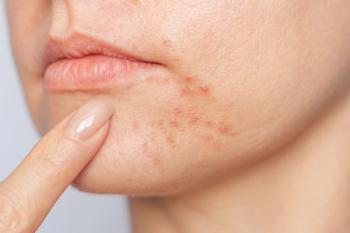
New research uncovers significant knowledge gaps among Chinese patients with acne regarding oral medications, highlighting the need for improved education strategies.
Discover how trifarotene could enhance acne treatment in Malaysia, addressing both facial and truncal acne while improving hyperpigmentation and scarring.
Explore the effectiveness of herbal acne therapies vs social media trends, revealing both promising treatments and potential misinformation risks.
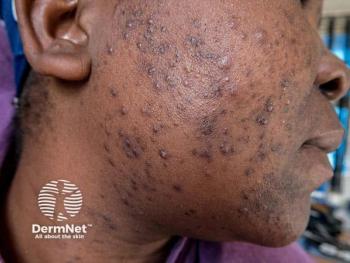
Discover how a novel 1550-nm laser treatment effectively addresses acne scarring in diverse skin types, enhancing safety and results for all.
As 2025 comes to a close, Dermatology Times is taking a look back at the studies, therapies, and advances in acne this year.
In part 3 of this supplement, experts discuss treatment options for adults with hormonal pattern acne and PIH.
In part 2 of this supplement, experts discuss therapies for inflammatory acne
In part 1 of this supplement, experts discuss current and emerging treatments for patients, considering lifestyle choices.

A bentonite and Alcea sulphurea facial mask significantly improved acne severity and patient satisfaction in a recent clinical trial.
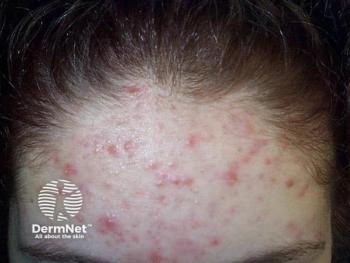
However, over half of the patients reported experiencing psychological symptoms such as mood changes and depression during treatment.

Mondana Ghias, MD, FAAD, offers strategies for dermatologists in managing skin reactions from lung cancer treatments to enhance patient care and quality of life.
Advertisement
Advertisement
Trending on Dermatology Times
1
Biologic Therapy Linked to Lower 10-Year MACE Risk Across Racial Groups in Psoriasis
2
Former CDC Director Robert Redfield Joins Turn Therapeutics as Chief Scientific Officer
3
Body Weight, Not BMI, Associated With Brodalumab Response Trajectory in Plaque Psoriasis
4
FDA Grants QRX003 Rare Pediatric Disease Designation in Peeling Skin Syndrome
5