

Efforts are underway to identify new therapeutic methods that can offer improved outcomes for patients with hidradenitis suppurativa.
Efforts are underway to identify new therapeutic methods that can offer improved outcomes for patients with hidradenitis suppurativa.

Efforts are underway to identify new therapeutic methods that can offer improved outcomes for patients with hidradenitis suppurativa.

Understanding differences among preparations and dilutions of botulinum toxin type A can improve clinical practice, according to industry experts.

A new systemic medication option offers promising results for patients with high-risk squamous cell carcinoma for whom surgery has not worked, says this expert.

Anneke Andriessen, Ph.D. discusses research that suggests controlling symptoms with moisturizers can be an important - and inexpensive - prevention and treatment tactic for pediatric patients with atopic dermatitis.


A variety of topical CBD products are becoming increasingly available to patients, but do they actually work? These experts believe more research is needed to create CBD-containing dermatology products that can effectively treat skin disorders.

Clinical trials investigating the efficacy of biologics in treating this condition at Stage 2 and Stage 3 are growing in number and should be considered a front-line treatment option, says this expert.

Many patients living with hyperhidrosis do so silently, meaning the condition is often left untreated. It's up to dermatologists start the conversation about available treatments when they notice patients’ symptoms, say this expert.

Dr. Susan Weinkle offers tips to minimize discomfort, which plays a large role in the patient’s perception of outcome.

Dr. Scott Dinehart discusses two newer methods for attacking squamous cell carcinoma, which he says are critical to know.

Radiodermatitis affects approximately 95% of all patients who receive radiation therapy for cancer - many of who are women undergoing breast cancer treatment. A recent study has found that developing the condition has a significant and detrimental impact on breast cancer patients' overall quality-of-life.

New research has shed light on how hyperpigmentation occurs. Experts break down what you need to know in this article.

The methods and products used to combat the day-to-day impacts of melasma has expanded to include tranexamic acid, cysteamine, along others.

In a recent analysis, researchers examined whether results from a lesion diagnostic assay remained accurate after 12 months. The findings could alter how dermatologists approach future melanoma diagnosis in clinic.

Researchers recently examined a non-invasive test that, if additional studies can confirm, may directly affect future patient care for patients at risk for non-melanoma skin cancer.

With the high incidence of psoriasis and psoriatic arthritis among patients who are obese, it’s important for dermatologists to address weight and weight management. But, having that conversation is not always easy. Dr. Soltani-Arabshahi offers tips to help you talk to your psoriasis patients about their weight.

Data shows obesity is prevalent among patients with psoriasis and psoriatic arthritis, but the exact role weight plays in contributing to psoriatic disease and its severity is still unknown. At a minimum, industry experts agree that addressing obesity can be vital in treating psoriatic disease.
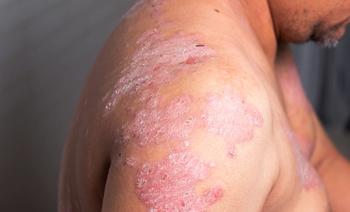
In psoriasis, many therapies offer roughly the same level of care, but that doesn’t mean any patient will respond well to any therapy. According to Mark Lebwohl, M.D., physicians should consider each treatment option in light of a patient's specific comorbidities.

Why do biologics lose efficacy over time? This physician discusses factors dermatologists should consider when they see this issue in their patients.
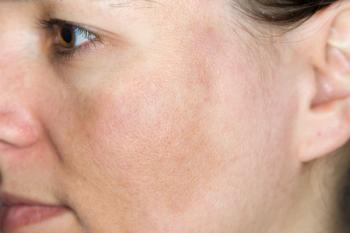
New consensus conclusions are important, because managing acquired macular pigmentation is a new frontier in dermatology. The article defines terminology and notes the primary feature common to macular pigmentation conditions.

Researchers recently discussed laser and IPLS options for a variety of pigmentary conditions, and provided their recommendations for each one in this review published in European Academy of Dermatology and Venerelogy.

Early diagnosis and appropriate management of hypopigmented skin disorders can improve a patient’s quality of life, halt disease progression and prevent irreversible disability.
Silymarin, derived from milk thistle, could offer the same level of treatment efficacy for melasma with more benefits for patients than the most widely-used therapy, hydroquinone.

Chief executive officer of Can-Fite Biopharmaceuticals, Pnina Fishman, Ph.D. discovered why cancer and inflammation can go everywhere in the body, except muscle tissue. Using this knowledge, Can-Fite has developed a promising psoriasis drug, piclidenoson, which is currently in phase 3 clinical trials.

The development of new biologics targeting a variety of dermatoses is on the upswing with some treatments coming to the clinic as early as this year, according to April Armstrong, M.D. who discussed the topic at the American Academy of Dermatology Spring Meeting in Washington, D.C.

Psoriasis treatment has expanded dramatically over the past decade, and the growth shows no signs of stopping. Andrew Blauvelt, M.D. discussed new drugs in the pipeline during American Academy of Dermatology Annual Meeting in Washington, D.C.

To help providers have a greater understanding of the efforts of the FDA to ensure all drugs are of pharmaceutical quality, Michael Kopcha, Ph.D., RPh, director of the FDA’s Office of Pharmaceutical Quality presented on the topic during the American Academy of Dermatology’s Annual Meeting in Washington, D.C.

Laura Marquart, M.D., FAAD, medical officer with the FDA’s Center for Devices and Radiological Health (CDRH), reviewed how the FDA approaches, reviews, and approves medical devices integral to dermatologic care at the American Academy of Dermatology’s annual meeting in Washington, D.C. Learn how this process can affect patient care in this article.

Longer-lasting treatment for vitiligo could be available within the next few years, according to research presented at the American Academy of Dermatology Annual Meeting in Washington, D.C.

June 5th 2020

May 10th 2018

June 5th 2018

July 16th 2018
