


Explore how a groundbreaking initiative by Hayden Middleton, PA-C, bridges dermatology and nutrition, enhancing patient care and clinician fulfillment.

Marie Bosslett is the assistant editor of Dermatology Times® and joined the MJH Life Sciences team in October 2024. She attended Loyola University Maryland in Baltimore and earned a Bachelor of Arts in Communication with minors in marketing and writing. When she’s not writing, Marie enjoys going to concerts, reading on the beach, and spending time with friends and family.
You can reach her at mbosslett@mjhlifesciences.com.
Explore how a groundbreaking initiative by Hayden Middleton, PA-C, bridges dermatology and nutrition, enhancing patient care and clinician fulfillment.

Catch up on coverage from the second day of the 2025 SDPA Fall Conference held in San Antonio, Texas.

Kassandra Holzem, MD, shares vital insights on dermatology red flags and GVHD management, enhancing oncology care at SDPA Fall 2025.
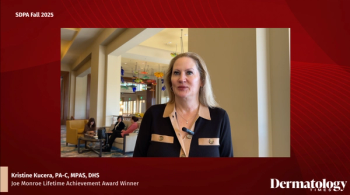
Kristine Kucera, PA-C, MPAS, DHS, reflects on her impactful 30-year career and celebrates the evolution of dermatology PAs at the SDPA Fall 2025 conference.
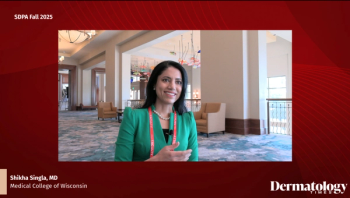
Explore the latest insights on psoriatic arthritis and psoriasis management from Shikha Singla, MD, emphasizing multidisciplinary care and early screening strategies.
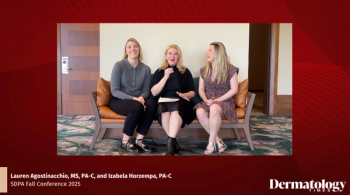
SDPA Emerging Scholars share insights on mentorship and professional growth, highlighting the importance of collaboration in dermatology.
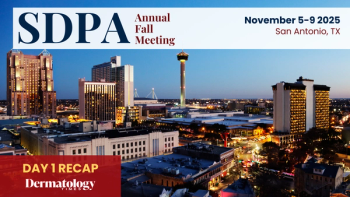
Catch up on coverage from the first day of the 2025 SDPA Fall Conference held in San Antonio, Texas.
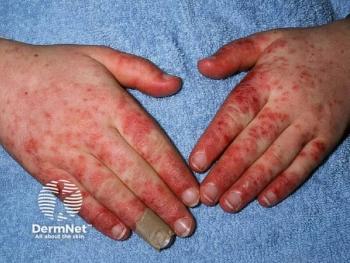
Amanda Mixon, PA-C, highlights critical cutaneous signs of connective tissue diseases at SDPA 2025, enhancing early diagnosis and treatment strategies.
Yasmine Kirkorian, MD, shares insights on pediatric dermatology advancements and genetic skin disorders at SDPA Fall 2025, emphasizing early diagnosis and innovative therapies.

Discover the latest in skin health innovations and skin care trends shared at SDPA Fall 2025, featuring insights from Heather C. Woolery-Lloyd, MD, FAAD.

Explore insights from SDPA leaders Renata Block, DMSc, MMS, PA-C, and Sarah Vicari, MMS, PA-C, on mentorship, volunteerism, and fostering growth for PAs.

What exciting sessions and updates are you looking forward to at the SDPA Fall 2025 Conference in San Antonio? Click here to answer our poll and let us know!

Preview the SDPA Fall 2025 conference in San Antonio for 4 days of networking, education, and expert-led sessions for dermatology PAs.

Allergan Aesthetics pioneers regenerative skincare through secretome science, enhancing skin health with fibroblast-derived exosomes for transformative results.

Incyte launches Ingenuity Awards to empower HS community, funding innovative patient-driven initiatives for better treatment and outcomes in hidradenitis suppurativa.
Discover how Prithwiraj Maitra, PhD, advances skin care innovation with exosomes, emphasizing scientific validation and ingredient transparency in cosmetic formulations.

Explore innovative acne management strategies from James Del Rosso, DO, focusing on personalized treatments and patient education for effective results in diverse cases.

New findings from LEO Pharma reveal chronic hand eczema affects 1 in 10 adults, highlighting the need for improved recognition and management in dermatology.

Put your dermatology expertise to the test with Dermatology Times’ interactive quiz series!
In case you missed it, this week we had news about upadacitinib for vitiligo, the commercial release of roflumilast for pediatric AD, a recap of the top pearls at Fall Clinical 2025, and more.

Discover the latest advancements in atopic dermatitis treatment and patient advocacy during Eczema Awareness Month, shaping future care and quality of life.

UCB reveals three-year data on bimekizumab, showcasing significant pain relief and lesion resolution in hidradenitis suppurativa patients at the 2025 SHSA.

Discover the latest advancements in CSU therapy, including Gil Yosipovitch's insights on barzolvolimab's promising results and its potential impact on patient care.

Dermatology Times is looking back on the top stories in dermatology from the month of October.

Arcutis has expanded roflumilast cream in the US, a steroid-free treatment for mild to moderate AD in young children.

Learn more about the in-depth topics covered in the October 2025 print issue of Dermatology Times.
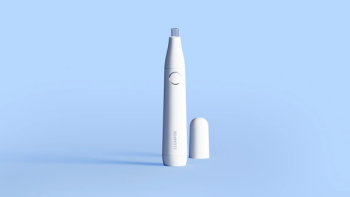
Indomo's ClearPen could revolutionize acne treatment with at-home microneedle injections, offering instant access to effective corticosteroid therapy for inflammatory lesions.

Chava Wald shares her inspiring journey with AD, advocating for patient empowerment and compassionate care during Eczema Awareness Month.

Aaron Sookhoo, PA-C, and Andrew Mastro, PA-C, outline their long-term vision for the National Dermatology Leadership Summit, promoting collaboration and advocacy.

Incyte reveals promising TRuE-AD4 trial results for ruxolitinib cream, showcasing its effectiveness and safety for adults with moderate atopic dermatitis.