Stratman discusses individualized eczema care, expanding treatment options, and the potential of precision medicine to guide therapy.
Mondana Ghias, MD, FAAD, offers strategies for dermatologists in managing skin reactions from lung cancer treatments to enhance patient care and quality of life.
As advances in lung cancer therapy continue to transform patient survival, dermatologists are increasingly encountering cutaneous toxicities associated with immune checkpoint inhibitors, EGFR inhibitors, and emerging targeted treatments. To celebrate November’s Lung Cancer Awareness Month, Dermatology Times recently spoke with Mondana Ghias, MD, FAAD, a board-certified dermatologist in New York, New York, and co-founder/chief medical officer of Tono Health, to explore the dermatologic challenges faced by this growing patient population and the critical role of collaborative care in mitigating treatment-limiting skin reactions. In this Q&A, Ghias discusses the spectrum of common toxicities, their psychological impact, and practical strategies dermatologists can use to support therapy continuity and enhance quality of life, underscoring why dermatology is an indispensable partner in modern oncology.
Dermatology Times: What are the most common skin toxicities or reactions in lung cancer patients that dermatologists should be aware of?
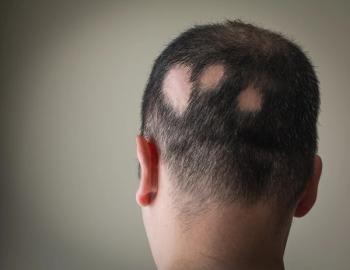
Ghias: For lung cancer, some of the most common skin toxicities include papulopustular or acneiform eruptions, pruritus, xerosis, paronychia, nail and hair changes, and morbilliform rashes. These reactions are frequently seen with both immune checkpoint inhibitors and EGFR inhibitors used in lung cancer treatment. Immune checkpoint inhibitors can trigger inflammatory rashes such as eczematous, lichenoid, and psoriasiform eruptions, while EGFR inhibitors commonly cause acneiform eruptions in more than 70% of patients. Most toxicities are low grade and manageable, but they can significantly impact quality of life and contribute to avoidable treatment delays or discontinuation. Early recognition and coordinated management with patients’ oncology teams help maintain therapy continuity and improve patient outcomes.
Dermatology Times: Can you elaborate on the psychological impacts these skin reactions have on patients?
Ghias: These reactions can have a profound psychological impact because they affect visible areas and are often symptomatic, causing pain, itching, and discomfort. Patients are already coping with the stress of cancer therapy, and these skin reactions often add to that psychological burden at a sensitive time. Additionally, the symptoms that come from these skin reactions, such as sleep disruption from pruritus or increased physical discomfort, can further magnify the stress and anxiety. Many patients also worry that a rash signals danger or treatment failure. These combined factors contribute to up to 20% of patients delaying or discontinuing otherwise effective treatments due to unmanaged skin toxicities.
Dermatology Times: Less than 8% of oncologists refer to dermatologists for support. How can we raise these referral rates and establish stronger collaborative relationships between specialties?
Ghias: Proactively reach out to build relationships. Dermatologists can increase collaboration with oncologists early on in a patient’s treatment course, making it easy to partner and address these skin reactions before symptoms progress. Many oncologists welcome dermatologists’ expertise, especially for the immune-related cutaneous skin reactions, many of which can present similarly to other common dermatological conditions, such as psoriasis, eczema, and lichenoid eruptions. Providing simple, reliable communication or referral pathways also helps remove friction and encourages earlier involvement. Finally, closing the loop with timely updates and recommendations further reinforces trust and integrates dermatologists as an integral part of patients’ multidisciplinary care teams. This approach strengthens collaboration and supports better outcomes for patients undergoing cancer treatment.
Dermatology Times: What advice do you have for dermatology clinicians who are treating lung cancer patients? Are there any proactive steps they can take with a patient before a new systemic therapy is given?
Ghias: Absolutely, there are so many proactive measures patients can take to address some of these reactions, and dermatologists can play a big role in helping patients get ahead of these, or even in educating them on what to be on the lookout for. Some proactive measures can include starting ceramide-based moisturizers, emphasizing photoprotection to help maintain skin barrier function and minimize adverse events. For patients starting EGFR-based therapies, NCCN recommends prophylactic oral doxycycline, clindamycin lotion to the scalp, chlorhexidine to nails, and ceramide-based moisturizers to reduce skin toxicities, to name a few.
Dermatology Times: Is there anything else you’d like to share with our audience today?
Ghias: We shouldn’t underestimate our impact. Dermatologists help patients stay comfortable during treatment, reduce side effects that derail therapies, and offer reassurance at a time when identity and confidence can feel stripped away. And arguably just as important, as patients recover, we help them return to themselves, faster, stronger, and with dignity. We are essential partners not only in treatment, but in survivorship. The American Cancer Society reports that the population of cancer survivors in the US continues to grow: As of January 1, 2025, about 1 out of every 18 Americans (18.6 million people) was a cancer survivor. By 2035, that number is projected to exceed 22 million. To put that in context of just how many people that is, that’s more people not just in New York City, but the entire state of New York.
One additional point I’d emphasize is the importance of dermatology proactively integrating with oncology and primary care teams, particularly in community settings. Looking ahead, as CAR-T cell therapies and other rapidly evolving immunologic and targeted cancer treatments expand beyond large academic centers, dermatology involvement will become even more essential. Several of these certification programs in CAR-T require access to board-certified dermatologists, and as utilization grows, comprehensive oncology teams will need timely dermatologic support in more settings.