

Feature|Videos|November 16, 2025
Psychodermatology’s Role in Strengthening Therapeutic Connections
Key Takeaways
- Psychodermatology is a holistic approach to dermatologic care, focusing on the mind-skin connection's impact on treatment outcomes.
- Integrating psychodermatology principles into patient interactions can enhance adherence and outcomes, especially in chronic inflammatory and cosmetically sensitive conditions.
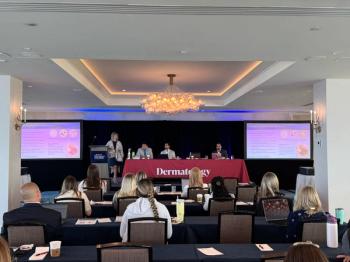
At Elevate-Derm Fall, Patricia Delgado, DNP, AGPCNP, DCNP, PMHNP, outlined practical ways dermatology clinicians can incorporate psychodermatology principles and previewed the upcoming Psych and Skin video series.
Advertisement
“Sometimes we look at psychodermatology as a sub specialty, but really, in my view, it's an approach to dermatology. It's an approach to how we treat our patients in dermatology,” said Patricia Delgado, DNP, AGPCNP, DCNP, PMHNP, in an interview at the
Delgado, a triple-board certified nurse practitioner in adult-gerontology primary care, dermatology, and psychiatry at Sunrise Skin & Wellness, and the president and founder of the Sunrise NPPA Derm conference, presented at Elevate-Derm to discuss the connection between the mind, body, and skin.
Delgado outlined why she views psychodermatology not as a niche subspecialty but as a fundamental framework for dermatologic care. With dual certification in dermatology and psychiatry, she emphasized that the bidirectional relationship between the mind and skin is relevant across the full spectrum of clinical encounters, regardless of practice setting or time constraints.
Her session focused on translating psychodermatology principles into practical communication strategies that clinicians can integrate even during brief visits. She highlighted that small, intentional shifts in how clinicians engage with patients—validating concerns, acknowledging disease burden, and reinforcing partnership—can strengthen rapport and significantly influence adherence. In her view, these micro-interactions help clinicians leverage the mind–skin connection to support treatment success, particularly in chronic inflammatory disease and cosmetically sensitive conditions where psychological distress is common.
Regarding the Elevate-Derm Fall Conference, Delgado praised the collaborative environment, noting the value of PAs and NPs learning together, exchanging practice insights, and refining approaches that ultimately elevate patient care. Psychodermatology, she suggested, benefits from exactly this kind of interdisciplinary learning, as it sits at the intersection of communication, behavioral health, and medical dermatology.
The Skin and Psych Series
Delgado additionally previewed her forthcoming “Skin and Psych” video series with Dermatology Times and
She noted that concepts familiar to psychiatry, such as the placebo effect, carry meaningful implications for dermatology clinicians. The simple experience of being heard and validated can influence symptom perception and treatment response, and Delgado encouraged clinicians to consciously incorporate this understanding into routine care. As new therapeutics continue to expand options for inflammatory and immune-mediated disease, she argued that pairing these advances with strengthened clinician–patient connection may meaningfully amplify outcomes.
Advertisement
Related Content
Advertisement
Latest CME


Advertisement
Advertisement
Trending on Dermatology Times
1
How Emerging Androgenetic Alopecia Therapies Target DHT at the Scalp Level
2
Social Media Mythbusters: Beef Tallow
3
Dermatology Times Inaugural NP/PA Connect Cutaneous Oncology Workshop Kicks Off in Tampa
4
25 Years Later: Remembering September 11 Through the Lens of Dermatologic and Burn Care
5