


Opinion|Videos|March 11, 2025
Patient Considerations for Selecting Treatment for a 16-Year-Old Male With Severe Alopecia Areata
Author(s)Susan Taylor, MD, FAAD
An expert discusses how treatment for this adolescent boy with severe alopecia areata must balance efficacy with age-appropriate safety, considering psychological impact, growth/development factors, and family preferences while selecting among topical, intralesional, systemic, or emerging biologic options.
Advertisement
Episodes in this series

Video content above is prompted by the following:
- Please share your impressions of the case. What aspects of the case are most relevant for treatment consideration?
Advertisement
Related to this article

A retrospective claims analysis of 2897 matched pairs found hazard ratios of 0.48 to 0.67 for new atopic disease with dupilumab vs systemic corticosteroids in children.
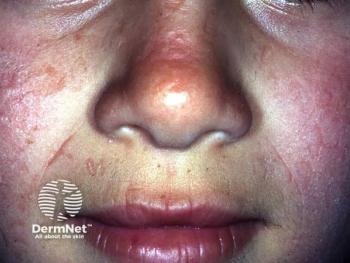
Disc Medicine reports the phase 3 APOLLO trial met all primary and secondary end points, with whole-blood PPIX reduced 41.4% vs placebo and an NDA resubmission planned by end of 2026.

Castor oil has become a popular social media remedy for thicker, longer hair, but evidence supporting its ability to stimulate hair growth remains limited.
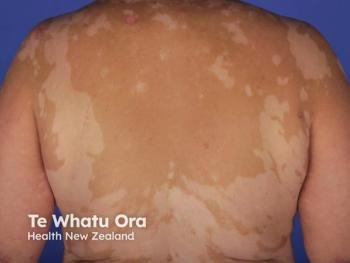
The FDA clearance allows Edesa to expand an ongoing placebo-controlled study of the CXCL10 antibody EB06 to US sites, with topline data expected in the fourth quarter of 2027.

The novel oral helicase-primase inhibitor demonstrated significantly higher rates of complete lesion healing compared with investigator’s choice treatment in the phase 3 PRIOH-1 trial.
Prospective data suggest DecisionDx-Melanoma may help refine SLNB decisions and identify recurrence risk beyond conventional staging.

Falk G. Bechara, MD, discusses long-term tunnel control, structural damage, and the evolving role of biologics and surgery in HS care.
Galderma has agreed to acquire ZO Skin Health for $1.5 billion, adding the physician-dispensed skincare brand to a portfolio that already includes Cetaphil and Alastin.
Advertisement
Advertisement
Trending on Dermatology Times
1
Bitopertin Meets All End Points in Phase 3 APOLLO Trial for EPP
2
Social Media Mythbusters: Can Castor Oil Really Grow Hair?
3
EADV 2026 Atopic Dermatitis Highlights: Tilrekimig, RAC2 Inhibition, and Level Up Data
4
Dupilumab Associated With Lower Atopic March Risk in Pediatric Atopic Dermatitis
5