Key Takeaways
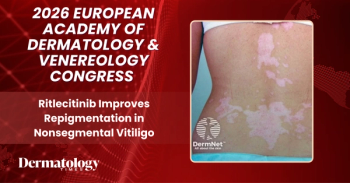
- A study explored markers of vitiligo pathogenesis, finding that oxidative damage increases pro-inflammatory interleukin (IL)-15 levels, potentially linking it to Vitiligo Area and Severity Index (VASI) scores.
- The study involved 96 patients with vitiligo and a control group, assessing antioxidant, inflammatory, and cytokine parameters in their blood samples.
- Patients with vitiligo had lower antioxidant levels and higher inflammatory markers, including IL-15, with a significant correlation between IL-15 levels and VASI scores, suggesting potential new therapeutic avenues for the disease.
Additionally, all included study participants were at least 20 years old and did not have prior medical histories, coexisting diseases, did not currently use medications, and who did not have a current or past history of smoking or alcohol use. One month prior to study initiation, all patients were asked to halt ongoing medications and therapies.
VASI scores and Vitiligo Disease Activity Scores (VIDA) were used to clinically assess disease activity and severity. Investigators collected peripheral blood samples from all participants in order to measure antioxidant, inflammatory, autoimmune, oxidative stress, cytokine, and chemokine parameters.
In patients with vitiligo, catalase, glutathione peroxidase, Total Antioxidant Status, and Glutathione S-Transferase were significantly lower in patients with vitiligo than in control patients, with additional significance notable in that patients with active vitiligo had even lower scores for the above parameters than patients with more stable vitiligo.
Furthermore, when compared to members of the control group, patients with both active and stable vitiligo had significantly higher levels of malondialdehyde, advanced oxidation protein products, C-reactive protein, and IL-15. Additionally, investigators noted a significant correlation between IL-15 levels and VASI scores.
Potential study limitations, according to Kassab et al, were a lack of VIDA score diversity among participants and investigators’ decision to strictly use serum samples as opposed to samples from lesional, non-lesional, and peri-lesional cells.
“This study is among the first to report new findings about the pathogenesis of vitiligo and the role of cytokines in its etiology. This should pave the way for tailoring novel therapeutic approaches for treating this chronic, intractable disease,” wrote study authors Kassab et al. “Based on these findings, blocking IL-15 could be a promising approach to developing targeted treatments that inhibit the early interaction between oxidative stress and the release of IL-15 by keratinocytes and between recirculating memory T cells and T cell memory cells.”
Reference
- Kassab A, Khalij Y, Ayed Y, et al. Serum inflammatory and oxidative stress markers in patients with vitiligo. J Clin Med. 2023;12(18):5861. Published 2023 Sep 9. doi:10.3390/jcm12185861