The merger, backed by an oversubscribed $180 million private placement, will fund development of NOR-101, an IL-13 x IL-18 bispecific antibody entering phase 1 trials in atopic dermatitis in early 2027.
Meta-analysis finds sexual dysfunction common in asthma and AD, with rates hitting 54% in asthma, prompting better screening.
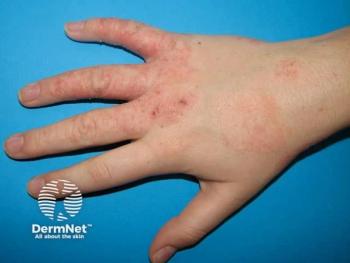
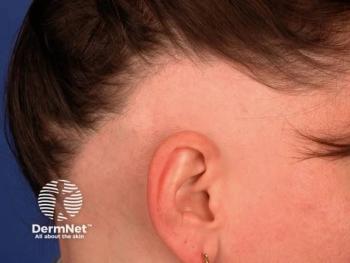
In a recent systematic review and meta-analysis, investigators examined the global prevalence of sexual dysfunction among individuals with asthma and atopic dermatitis (AD).1 Although both conditions are known to be associated with physical, psychological, and social burdens, sexual health has historically received limited attention in research and clinical care. This study sought to quantify the prevalence of sexual dysfunction in these populations and explore differences across sex, geographic regions, and diagnostic approaches.
Several biological and psychosocial mechanisms may contribute to the observed association between allergic diseases and sexual dysfunction. Both asthma and AD are characterized by immunoglobulin E–mediated, T helper 2–driven inflammation, which may affect vascular function, hormonal regulation, and neurologic pathways involved in sexual response.2 In addition, patients with these conditions frequently experience psychological comorbidities such as anxiety and depression, which are independently associated with sexual dysfunction. Pharmacologic treatments commonly used in allergic disease management, including corticosteroids, antihistamines, and beta-agonists, may also contribute to sexual adverse effects in some patients.
Investigators conducted a systematic literature search of PubMed/MEDLINE, Embase, Scopus, and the Cochrane Library from database inception through July 1, 2025. Eligible studies included observational research evaluating adults with physician-diagnosed or self-reported asthma or AD and reporting quantitative prevalence data on sexual dysfunction.
Sexual dysfunction was broadly defined as impairments in sexual desire or disturbances in sexual response and could be identified through validated instruments such as the Female Sexual Function Index (FSFI), International Index of Erectile Function (IIEF), and Arizona Sexual Experience Scale (ASEX), as well as through clinical diagnoses or supportive questionnaire measures.
From an initial pool of 12,879 records, 19 studies met the inclusion criteria. These studies represented 18 countries across 5 continents and included a total of 10,851 participants, with 1,577 individuals diagnosed with either asthma or AD. Study designs included cross-sectional, cohort, and case–control studies.
Overall, the pooled global prevalence of sexual dysfunction was substantially higher among patients with asthma than among those with AD. Among patients with asthma, the pooled prevalence was 54.3% (95% CI, 45.9–64.3). In contrast, the pooled prevalence among individuals with AD was 19.1% (95% CI, 13.4–27.3). Both estimates exceeded those observed in control populations included within the studies, where sexual dysfunction prevalence was approximately 30% in females and 10% in males in asthma-related control groups and about 2% overall in AD control groups.
A consistent sex-based disparity was observed across both conditions. Among patients with asthma, sexual dysfunction prevalence was significantly higher in females than in males, affecting 71.5% of female patients compared with 29.6% of male patients. A similar pattern was observed among individuals with AD, with prevalence estimates of 53.0% in females and 16.7% in males. Although higher rates of sexual dysfunction among women have been reported in general population studies, the magnitude of the difference observed in these disease populations was notably larger.
Geographic variation was also observed, particularly in asthma. The highest reported prevalence occurred in Africa, where a single included study reported a prevalence of 90%. Europe demonstrated the next highest prevalence at approximately 60%, followed by South America at 49%. The lowest prevalence was observed in Asia at approximately 26%. In AD, fewer regional differences were identified, likely reflecting the limited available data. Europe reported a prevalence of approximately 24.6%, compared with 21.8% in Africa and 16.3% in North America.
The prevalence of sexual dysfunction varied according to the diagnostic method used in the included studies. Studies employing validated questionnaires designed specifically to assess sexual function reported higher prevalence estimates compared with those using supportive or indirect measures. For example, questionnaire-based assessments in asthma studies yielded a pooled prevalence of 58.3%, whereas supportive measures reported a prevalence of 49.4%. Studies relying solely on clinical diagnoses reported markedly lower prevalence estimates, likely reflecting underrecognition of sexual dysfunction in routine clinical practice. Similar trends were observed in AD studies, where validated assessment tools identified substantially higher rates than clinically documented diagnoses.
The researchers noted that sexual health is recognized by the World Health Organization as an important component of overall health and functioning. However, it remains an underrecognized aspect of chronic disease management. The high prevalence of sexual dysfunction identified in this analysis highlights the need for greater clinical awareness and more systematic assessment of sexual health in patients with asthma and AD.
“Such integration would align with the World Health Organization's biopsychosocial model and promote a more comprehensive understanding of overall well-being in clinical practice,” the study authors concluded.
References
1. Kim SH, Kim S, Yeo D, et al. Global Prevalence of Sexual Dysfunction in Individuals With Atopic Dermatitis and Asthma: A Systematic Review and Meta-Analysis. Clin Exp Allergy. Published online March 8, 2026. doi:10.1111/cea.70260
2. Facio F, Colonnello E, Alzweri L, et al. Infection, inflammation, and sexual function in male and female patients-recommendations from the Fifth International Consultation on Sexual Medicine (ICSM 2024). Sex Med Rev. 2025;13(3):301-317. doi:10.1093/sxmrev/qeaf021