


News|Articles|June 3, 2026
Journal Digest: June 3, 2026
Author(s)Marie Bosslett, Assistant Editor
Listen
0:00 / 0:00
Key Takeaways
- Scar maturation time appears to modulate microneedling efficacy for atrophic scars, supporting earlier counseling on expected effect sizes and individualized timing of intervention.
- Learners increasingly substitute recorded dermatology lectures for attendance; engagement is driven by practical demonstrations, live patients, quizzes, discussion, and case-based “flipped classroom” formats.
This review of the latest dermatological studies includes insights on PeakPASI in psoriasis severity, the future of digital derm lectures, negative pressure wound therapy, and more.
Advertisement
Journal of Cosmetic Dermatology | Atrophic Scars, Maturation Time and Therapeutic Outcomes Following Microneedling: A Post Hoc Analysis of a Randomized Clinical Trial
This post hoc analysis of a randomized clinical trial evaluated whether the age of atrophic scars influences outcomes after microneedling treatment. Investigators examined scar maturation time and its relationship to clinical improvement following microneedling therapy. The findings suggest that scar age may be an important factor in treatment response. More mature scars demonstrated different therapeutic outcomes compared with newer scars, indicating that the timing of intervention could influence the degree of clinical improvement achieved with microneedling. These results highlight the dynamic nature of scar remodeling and suggest that scar characteristics evolve over time in ways that may affect responsiveness to treatment. The study underscores the importance of assessing scar history and duration when counseling patients about expected outcomes from microneedling. Scar maturation time may represent a useful consideration when selecting candidates for treatment, setting realistic expectations, and planning individualized management strategies for atrophic scars. The findings may help clinicians optimize treatment timing and improve patient education regarding anticipated results.1
Journal of the German Society of Dermatology | Digital transformation and the future of dermatology lectures in 2026 – results of a student survey in Leipzig
A survey of 272 medical students at the University of Leipzig examined how learners engage with dermatology education in an increasingly digital environment. Although students rated the overall quality of dermatology courses favorably (mean score 7.3/10), attendance at in-person lectures was very low, with recorded lectures emerging as the preferred learning format. Students cited practical demonstrations, live patient presentations, interactive quizzes, case-based teaching, and opportunities for discussion as key factors that would encourage classroom attendance. Many also reported challenges related to late-afternoon lecture scheduling, competing coursework, and examination demands. For exam preparation, students relied most heavily on past exams, digital learning platforms, and recorded course content, while traditional textbooks were used infrequently. Many respondents also reported using AI-assisted learning tools. For clinicians involved in education, the findings highlight a growing preference for flexible, digital learning combined with clinically relevant, interactive experiences. The authors suggest that a “flipped classroom” model—pairing self-directed digital content with case-based, in-person sessions—may better align with modern learning habits and improve engagement in dermatology training.2
International Wound Journal | The Underlying Mechanisms and Role of Negative Pressure Wound Therapy in Chronic Diabetic Wound Healing: A Systematic Review and Meta-Analysis
A new systematic review and meta-analysis examined the mechanisms and clinical role of negative pressure wound therapy (NPWT) in the treatment of chronic diabetic wounds. The authors reviewed available evidence on how NPWT influences wound healing and assessed its effectiveness compared with standard wound care approaches. Findings suggest that NPWT promotes healing through multiple pathways, including enhanced blood flow, stimulation of granulation tissue formation, reduction of edema, improved removal of wound exudate, and decreased bacterial burden. These physiologic effects help create a more favorable environment for tissue repair in chronic diabetic wounds, which are often characterized by impaired healing and prolonged inflammation. The therapy may also help reduce wound size and support preparation of the wound bed for definitive closure procedures. These findings reinforce NPWT as a valuable adjunctive treatment option for selected patients with chronic diabetic wounds. Appropriate patient selection, regular monitoring, and integration with comprehensive diabetes and wound care strategies remain essential to optimize outcomes.3
Journal of the German Society of Dermatology | PeakPASI as a marker of maximum psoriasis severity: a single-center, cross-sectional retrospective and questionnaire-based study
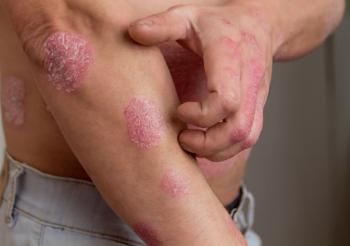
In this retrospective, questionnaire-based study, investigators evaluated the usefulness of PeakPASI—the highest Psoriasis Area and Severity Index (PASI) score a patient has ever experienced—as a marker of lifetime psoriasis severity. Researchers found that PeakPASI may provide valuable information beyond a patient’s current disease status, particularly in individuals whose psoriasis is well controlled with treatment. Because many patients present with low current PASI scores due to effective therapies, traditional assessments may underestimate the true historical burden of disease. The study suggests that PeakPASI can help clinicians better understand long-term disease severity, cumulative inflammatory burden, and treatment history. Patients with higher PeakPASI scores were more likely to have experienced severe disease and to require systemic or biologic therapies. The authors propose that incorporating PeakPASI into routine assessments may improve disease stratification and support more informed treatment decisions. Overall, PeakPASI may serve as a practical tool for capturing the full clinical trajectory of psoriasis, particularly when evaluating patients whose current skin clearance does not reflect the severity of their past disease.4
Journal of Cosmetic Dermatology | A Systematic Review of Injectable Treatment Options for Horizontal Neck Rhytides
This systematic review of 12 studies evaluated injectable treatments for horizontal neck rhytides, commonly known as “tech neck” lines, comparing hyaluronic acid (HA) fillers with neuromodulators. Ten studies examined HA fillers and two assessed botulinum toxin–based treatments. Overall, both modalities improved the appearance of horizontal neck lines and demonstrated favorable safety profiles. However, HA fillers were supported by a larger body of evidence and consistently produced greater improvements in wrinkle severity, patient satisfaction, and durability. Several studies reported sustained benefits for 6 to 12 months or longer, particularly with crosslinked HA fillers. Improvement was observed across multiple validated aesthetic scales, with many patients achieving at least a one-grade reduction in wrinkle severity. Neuromodulators also showed efficacy, particularly for finer, dynamic neck lines. Peak improvements were typically seen 8 to 12 weeks after treatment, although outcomes were generally more modest and less durable than those reported with fillers. Combination therapy with HA fillers may enhance results. Adverse events for both treatments were usually mild and transient, including bruising, swelling, erythema, and tenderness. No serious complications were reported in the reviewed studies. The authors conclude that HA fillers appear to be the most effective injectable option for static horizontal neck lines, while neuromodulators may be useful for dynamic wrinkles. Additional head-to-head studies are needed to establish optimal treatment protocols and determine the relative effectiveness of each approach.5
References
1. GdeSouza L, R daSilva M, Steiner D, Viana de Oliveira G. Atrophic Scars, Maturation Time and Therapeutic Outcomes Following Microneedling: A Post Hoc Analysis of a Randomized Clinical Trial. Journal of Cosmetic Dermatology 25, no. 6 (2026): e70943, https://doi.org/10.1111/jocd.70943.
2. Jochims F, Rotzoll D, Simon JC, Kunz M, Hempel C. Digital transformation and the future of dermatology lectures in 2026 - results of a student survey in Leipzig. J Dtsch Dermatol Ges. Published online May 31, 2026. doi:10.1111/ddg.70413x
3. Moscalu R, Moscalu M, Reid AJ, Domingos M, Stevens A, Wong JKF. The Underlying Mechanisms and Role of Negative Pressure Wound Therapy in Chronic Diabetic Wound Healing: A Systematic Review and Meta-Analysis. Int Wound J. 2026;23(6):e70961. doi:10.1111/iwj.70961
4. Wilkhoo S, Ziehfreund S, Müller E, et al. PeakPASI as a marker of maximum psoriasis severity: a single-center, cross-sectional retrospective and questionnaire-based study. J Dtsch Dermatol Ges. Published online May 31, 2026. doi:10.1111/ddg.70201
5. Sollitto C, Agha I, Narduzzi M, Wolinsky C. A Systematic Review of Injectable Treatment Options for Horizontal Neck Rhytides. Journal of Cosmetic Dermatology 25, no. 6 (2026): e70957, https://doi.org/10.1111/jocd.70957.
Advertisement
Related Content
Advertisement




Advertisement
Advertisement
Trending on Dermatology Times
1
Hair Transplantation Expands Beyond the Scalp: Eyebrows, Beard, and Beyond
2
Dermatology Times August 2026 Print Recap
3
FDA Approves Brepocitinib for Dermatomyositis
4
Social Media Mythbusters: Skin Flooding
5