This review of the latest dermatological studies includes insights on
This review of the latest dermatological studies includes insights into vitiligo, including emerging surgical techniques, the impact of social media, camouflage agents, and more.
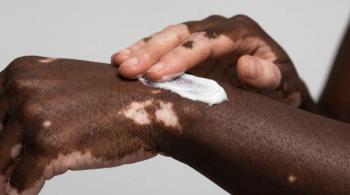
A cross-sectional study highlights the significant impact of stigma on quality of life (QOL) among patients with vitiligo. Researchers evaluated 140 patients with vitiligo using validated measures of disease severity, dermatology-specific QOL, perceived stigma, and psychosocial factors. Results showed that higher levels of perceived stigma were strongly associated with poorer QOL, with stigma serving as a key mediator between disease burden and patient-reported outcomes. Although clinical factors such as extent and visibility of disease contributed to QOL impairment, the psychological and social effects of vitiligo appeared to play a substantial role. The findings underscore the importance of addressing stigma as part of comprehensive vitiligo management. Dermatology clinicians can support patients by recognizing psychosocial distress, encouraging open discussions about stigma, and incorporating QOL considerations into treatment decisions.1
A prospective randomized study evaluated whether adding oral gliadin-protected superoxide dismutase (GP-SOD), an antioxidant supplement, could enhance outcomes with targeted ultraviolet B phototherapy in patients with localized vitiligo. The 6-month study included 40 patients who received excimer lamp treatment, with half randomly assigned to also receive GP-SOD. Disease response was measured using the Vitiligo Area Scoring Index (VASI), whereas quality of life was assessed using the Vitiligo Quality of Life Index. Both groups experienced significant repigmentation; however, patients receiving combination therapy had greater improvements in VASI scores compared with phototherapy alone. The GP-SOD group also demonstrated a significantly greater improvement in quality-of-life measures. The findings suggest that targeting oxidative stress with antioxidant therapy may enhance the efficacy of phototherapy in vitiligo, although larger studies are needed to confirm these results.2
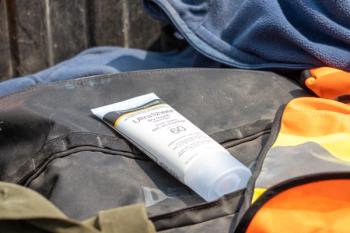
This prospective cohort study evaluated whether camouflage agents with added photoprotection could improve quality of life (QOL) outcomes in patients with vitiligo. Researchers first assessed the ultraviolet (UV)-protective properties of 2 camouflage products in healthy volunteers, finding that Agent A provided measurable protection (SPF 29.87 ± 2.31; UVAPF 3.93 ± 0.95), whereas Agent B did not demonstrate photoprotective effects. The study then randomly assigned 36 patients with progressive nonsegmental facial vitiligo to use either agent daily for 1 month. Both groups experienced significant improvements in Dermatology Life Quality Index scores, reflecting the psychosocial benefits of lesion concealment. After adjusting for baseline scores, Agent A showed a trend toward greater QOL improvement compared with Agent B (adjusted mean difference, 1.78; P = .051). Overall, the findings suggest UV-protective camouflage products may offer dual benefits by improving appearance while helping protect depigmented skin from UV exposure.3
A recent review highlights advances in surgical therapies for vitiligo, focusing on tissue grafting and cell transplantation approaches for patients with stable disease. Unlike medical therapies that target inflammation and autoimmunity, surgical techniques aim to restore pigment by transferring healthy melanocytes or melanocyte-containing tissue to depigmented areas. Tissue-based approaches include minipunch grafting, follicular unit grafting, suction blister epidermal grafting, and thin split-thickness skin grafts, which may be most appropriate for localized lesions. Cell-based therapies, including noncultured epidermal cell suspensions, cultured melanocyte transplantation, and hair follicle–derived cell suspensions, allow treatment of larger areas with more uniform repigmentation but require greater technical expertise. The review emphasizes that procedure selection should consider disease stability, lesion location, treatment area, and patient characteristics. Future research is needed to identify biomarkers that predict surgical success and improve personalized vitiligo management.4
This social media–based international survey highlights the significant psychosocial burden experienced by individuals with vitiligo, including stigma, emotional distress, and lifestyle adaptations. Researchers surveyed 181 adults with physician-confirmed or self-reported vitiligo using the Vitiligo Quality of Life questionnaire and qualitative responses. Stigma, sun exposure concerns, appearance-related distress, and self-consciousness were among the most commonly reported challenges. Visible involvement of the head and neck was associated with greater quality-of-life impairment, including changes in grooming, clothing choices, social interactions, and daily activities. Participants also identified disease progression prevention, treatment education, and psychological support as key priorities. The findings emphasize the importance of comprehensive vitiligo management that addresses both clinical disease control and psychosocial well-being. Clinicians can play an important role in patient education, counseling, and identifying unmet emotional and social needs.5
References
1. Zhang Yao, Chang Yan. Determinants of quality of life in vitiligo patients: the mediating role of stigma. Dermatol Ther. Published online June 18, 2026. doi:10.1155/dth/2552069
2. Leone G, Bertold C, Vidolin AP, Fontas E, Passeron T. Combination of oral gliadin-protected superoxide dismutase with targeted phototherapy in vitiligo: a prospective, comparative, randomized, single-blinded study. Photodermatol Photoimmunol Photomed. 2026;42(4):e70105. doi:10.1111/phpp.70105
3. Y Yan, S Wu, S Wang, et al. Comparison of camouflage agents on quality-of-life improvement in vitiligo patients. J Cosmet Dermatol. 2026;25(6):e70949. doi:10.1111/jocd.70949
4. Ren C, Dong L, Zhang J. Emerging surgical therapies for vitiligo: tissue vs cell-based approaches. Clin Cosmet Investig Dermatol. 2026;19:569535. doi:10.2147/CCID.S569535
5. Noda M, Ghodsian M, Chan J. Exploring and comparing the psychosocial impacts of vitiligo on a broader scale: an international survey via the use of social media. Australas J Dermatol. Published online June 15, 2026. doi:10.1111/ajd.70157