Dermatology clinicians at a Case-Based Roundtable in Austin, Texas, discussed real-world strategies for sequencing topical therapy, phototherapy, and ruxolitinib cream across pediatric and adult vitiligo cases.
At a Dermatology Times Case-Based Roundtable event, Pearl Grimes, MD, led discussions on diverse vitiligo cases spanning adult, pediatric, and rapidly progressive disease, emphasizing individualized treatment strategies.
At a recent
Case No. 1
“I started the discussion by defining vitiligo as the trifecta of genetics, oxidative stress, and autoimmunity, and I told the attendees that the tenets of treatment are stabilization, repigmentation, and then being able to maintain repigmentation long term,” Grimes said.
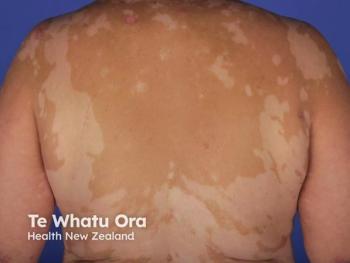
In this case discussion, Grimes presented a 25-year-old Black man with vitiligo initially stable but later progressing to involve the cheeks, hands, and forearms. While the full extent of the disease was discussed, the focus shifted to limited facial involvement and its psychosocial impact. Grimes emphasized the significant burden vitiligo places on patients and reviewed findings from a large global study in JAMA Dermatology of over 2000 patients that characterized the wide-ranging psychosocial and quality-of-life effects of vitiligo.1 She also addressed the spectrum of patient acceptance and the clinician's role in validating patient concerns and aesthetic goals.
From a clinical management perspective, Grimes identified topical ruxolitinib as an appropriate first-line therapy for this patient, citing its efficacy and safety demonstrated in the
Case No. 2
In the second case discussion, Grimes presented a 33-year-old White woman with approximately 8% body surface area involvement and signs of rapidly progressive vitiligo. The patient had limited prior use of topical corticosteroids and was continuing to develop new lesions. Grimes discussed the critical need to halt disease progression, recommending a 6-week course of oral dexamethasone to achieve disease stabilization. However, she noted that some clinicians may extend treatment to 12 weeks. In the roundtable discussion, topical corticosteroids remained an option for localized areas.
According to Grimes, this case emphasized the pivotal role of narrowband UVB (NB-UVB) phototherapy in patients with extensive or progressive vitiligo. Grimes strongly supported combination therapy, citing clinical data showing superior outcomes with NB-UVB plus topicals compared to monotherapy. She also referenced
Case No. 3
In the final case, Grimes discussed a 13-year-old girl with vitiligo affecting the face and hands, present for one year with no family history. The patient had tried several topicals, including triamcinolone (discontinued due to lack of efficacy) and tacrolimus (discontinued due to burning and stinging), leading to increased frustration. Grimes highlighted the importance of a tailored, empathetic approach in pediatric vitiligo, noting that children and adolescents often respond better to treatment than adults but also face heightened psychosocial burden, especially related to bullying, social stigma, and self-esteem challenges during adolescence.
While discussing the psychosocial burden of vitiligo on younger patients, Grimes highlighted
“Camp Victory was a phenomenal experience for me. This year, we had 40 kids, 40 parents, and 11 therapists from around the world. We had kids from Mexico, the UK, Canada, plus our contingency of kids from the US,” Grimes said.
She also emphasized shared decision-making, stating that visible areas should be treated if the child is motivated, and that pushing treatment on a reluctant teen may cause more harm than good. Ruxolitinib cream was identified as an appropriate and effective choice in this case, supported by post hoc analysis from TRuE-V1 data showing a higher likelihood of complete repigmentation in pediatric patients. Grimes also reviewed long-term efficacy data, pointing out that treatment response can continue to improve beyond 52 weeks, with peak repigmentation often occurring after 104 weeks.5
“I envision a time with all of the interest in vitiligo. So, to come to 2025 and look back on the transformation from 2010 and 2012 through 2025, it brings me joy. It brings me pleasure. It brings me happiness for a segment of the medical community that was, I'm going to say, invisible,” Grimes concluded.
References
about 1 year ago
Vitiligo Management in Practice: Expert Case Reviews