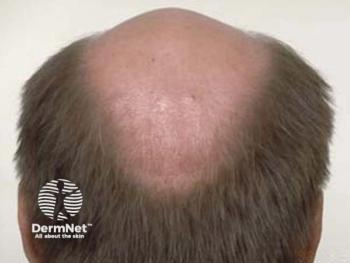
From emerging therapies to earlier intervention and psychosocial support, Dermatology Times looks back at key alopecia areata developments in 2026.
Jorge Garcia-Zuazaga, MD, MBA, FAAD, FACMS, shares how Apex Skin is improving trial adherence through bilingual staff, modernizing operations with digital tools, and strengthening community partnerships.
“Having that trust and building those relationships is important for trial adherence, and also, at the same time, decreasing dropout rates,” said Jorge Garcia-Zuazaga, MD, MBA, FAAD, FACMS, in an interview with Dermatology Times.
Garcia-Zuazaga, a board-certified dermatologist, Mohs surgeon, and founder and CEO of
In a
A key focus for Apex Skin is building trust with patients to ensure adherence and minimize dropout rates. Garcia emphasized the importance of bilingual and multilingual staff in fostering strong patient relationships. “Building trust with the patient is super important,” he explained, noting that using the patient’s preferred language makes them feel more comfortable and engaged throughout the clinical trial process. This approach is particularly critical in rare disease studies with small enrollment numbers, where retention of every participant is essential for data integrity.
Beyond patient communication, Garcia addressed the need for modernization in clinical trial operations. Despite advances in dermatology research, many sponsors continue to rely on paper-based systems. Apex Skin is investing in a clinical trial management system, the equivalent of an EMR for research, to streamline data collection and enhance monitoring across multiple sites. Garcia anticipates a shift toward decentralized and hybrid study models, using tools such as electronic consent, teledermatology, and patient-friendly digital platforms. These innovations, he explained, could improve trial efficiency while reducing the burden of in-person visits, ultimately supporting higher engagement and completion rates.
Community collaboration is another pillar of Apex Skin’s research strategy. The group actively engages with dermatologists and other specialties, including allergists, pediatricians, and internists, to expand trial awareness and referral pathways. Conditions such as atopic dermatitis, psoriasis, urticaria, vitiligo, and alopecia often overlap across specialties, making cross-disciplinary outreach critical. Garcia stressed that Apex Skin’s goal is not to compete for patients but to serve as a research resource that enhances care: “We're all part of the same team in terms of we want the patient to come in and get better.”
Reflecting on the future, Garcia expressed optimism about the rapid advances in dermatology therapeutics, from targeted biologics to treatments that can clear conditions once considered refractory. He encouraged other practices to consider clinical research but cautioned that it requires dedicated resources and infrastructure. When taken seriously, he said, research “keeps you in the forefront of new technology and new medicines” while elevating both physician expertise and patient care.