This review of the latest dermatological studies includes insights on
Discover innovative strategies for AK treatment from Darrell Rigel, MD, MS, at the latest Fall Clinical PA/NP conference.
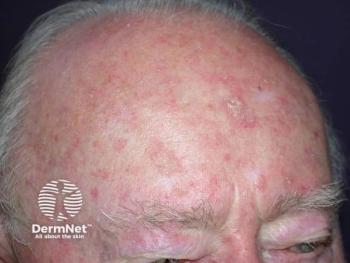
AKs are traditionally treated with cryosurgery and topical therapies like 5-fluorouracil (5-FU). While effective, Rigel noted that 5-FU often causes intense skin reactions and significant downtime, prompting many patients to seek alternatives. Among newer treatments, tirbanibulin stood out in Rigel’s session for its efficacy and improved tolerability. It delivers the standard clearance rates of about 80% of lesions, with fewer adverse effects and quicker delivery. Approved by the US Food and Drug Administration for up to 100 cm² of skin, tirbanibulin offers a broader treatment area, making it ideal for full-face, forearm, or other large applications.
Rigel also addressed the ongoing debate around combination therapy: should clinicians freeze lesions before applying a topical agent or the other way around? Rigel referred to it as “a chicken or the egg problem.”
“The answer to that question is there's no right answer. It's a matter of style,” Rigel said. He personally prefers freezing first to target larger lesions before using topical therapy for residual areas.
Photodynamic therapy (PDT) remains another valuable option. Rigel endorsed short-contact PDT, applying the photosensitizer and activating it shortly thereafter, as both effective and far less painful than older protocols requiring long incubation times. No matter what methods are used, he emphasized proactive, annual AK treatments, even for patients with no visible lesions, to help prevent progression to squamous cell carcinoma.
“The whole management of AKs are really very dynamic. It's changing, but these new approaches really make a difference and make it better for your patients too,” Rigel told Dermatology Times.
Looking for more conference coverage from industry leaders like Rigel? Check out our