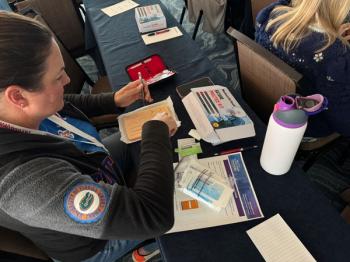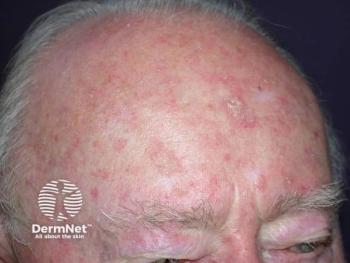
Faculty from the Cutaneous Oncology Workshop answer practical questions spanning skin cancer prevention, diagnosis, treatment, and follow-up.
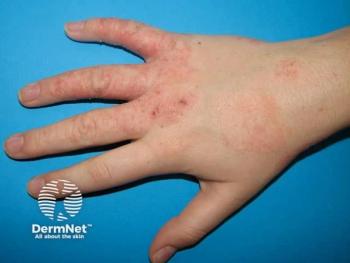
The AHEAD guidelines promote a new treatment standard for atopic dermatitis, emphasizing near-complete skin clearance and itch relief.
During the
According to Glick, the AHEAD initiative represents an important evolution in the management of AD, paralleling the progress previously made in psoriatic disease.2 Historically, many clinicians and patients have considered partial symptom control a satisfactory outcome. However, new evidence-based approaches, along with the introduction of innovative systemic and topical therapies, are redefining what “treatment success” means for this chronic, relapsing inflammatory condition.
Glick noted that the AHEAD recommendations encourage health care providers to aim for high levels of skin clearance—up to 90% improvement—and a near-complete reduction in itch. This reflects a broader shift in dermatology toward treat-to-target strategies that focus on measurable, patient-centered results rather than symptom minimization alone.
The guidelines also underscore the importance of multidisciplinary collaboration. Because AD often overlaps with allergic, respiratory, and immunologic disorders, coordinated management between dermatologists and allergists is essential. Glick highlighted how such cooperation can lead to earlier diagnosis, more comprehensive patient education, and tailored therapeutic plans that address both cutaneous and systemic manifestations of disease.
In clinical practice, Glick integrates these principles at Platinum Dermatology Partners in Florida and through his teaching at Larkin Health System. He advocates for proactive, evidence-based treatment approaches that utilize modern biologic and JAK inhibitor therapies alongside supportive skin care.
Ultimately, the AHEAD guidelines exemplify an ongoing transformation in dermatology—one that prioritizes complete disease control, improved quality of life, and multidisciplinary care for individuals affected by atopic dermatitis.
References