


A panelist discusses how using conservative laser settings, proper skin cooling, and careful patient selection is crucial when treating melasma and darker skin types to minimize post-inflammatory hyperpigmentation risks.
A panelist discusses how using conservative laser settings, proper skin cooling, and careful patient selection is crucial when treating melasma and darker skin types to minimize post-inflammatory hyperpigmentation risks.
Corey Hartman, MD, FAAD, discusses how combining multiple laser modalities with proper patient education and realistic expectations leads to optimal outcomes when treating hyperpigmentation and other pigmentary disorders.

Long-term safety data suggests that JAK inhibitors have a lower risk of cardiovascular and thromboembolic events than previously thought.

Medical and aesthetic dermatologists partner at SBS 2025 to bridge gaps between clinical care and cosmetic procedures.

Michael Gold, MD, explored microneedling innovations, pulse wave technology for pigmentation, and the aesthetic effects of GLP-1 receptor agonists, including "Ozempic face" and skin laxity.

Compliance with acne medications remains a challenge, but timely intervention can prevent severe skin damage.

Mona Shahriari, MD, FAAD advocates for improving diversity in clinical imagery and trials to enhance trust in patients with skin of color.

A holistic yet time-efficient approach can help dermatologists recognize early joint pain symptoms associated with psoriasis.

A balanced approach to dermatologic care involves using steroids for flare-ups and switching to non-steroidal options for maintenance.

Chilukuri said devices should be user-friendly even in solo practice settings to maximize efficiency and usability.
Michael Gold, MD, explored medical and procedural acne treatments and the emerging role of exosomes in regenerative dermatology.

Traditional descriptions often cater to lighter skin, necessitating updates to better serve diverse populations.

Advanced wound healing techniques, including exosomes and polynucleotides, can enhance post-procedure recovery and reduce pigmentation issues.

Nanette Silverberg, MD, discusses new treatments for pediatric vitiligo, including JAK inhibitors and surgical advancements.

Proper nutrition and nutraceuticals can help to manage skin conditions such as acne, eczema, and psoriasis.
A patient-centered approach ensures that hair loss treatments align with individual goals and medical history.

His presentation at South Beach Symposium will feature Zirwas’ insights on JAK inhibitors, eczema treatments, and emerging therapies.
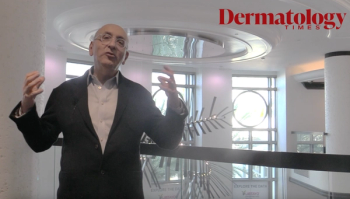
“The most important tip as a physician, when you talk to the patient, sit down. Even if you sit down for 5 minutes, it's worth almost 5 hours,’ Leon Kircik, MD, said in his interview with Dermatology Times at SBS 2025.

Nada Elbuluk, MD, MSc, emphasizes that medical treatments remain first-line for vitiligo, but stable cases may benefit from surgical options.
Michael Gold, MD, shares why the South Beach Symposium remains a must-attend legacy event for dermatologists, blending education and innovation.

According to Silverberg, emotional resilience, social support, and purposeful activities help adolescents cope with acne-related stress.

Nanette Silverberg, MD, highlights new dermatology advancements and the significance of conferences like MOPD in shaping the future of treatment.
Dermatology Times staff will be onsite covering SBS 2025 with expert insights, interviews, and breaking news.
In an interview ahead of the main event, Ablon shared her excitement for SBS and listening in on presentations from industry leaders.
The new dose offers a more tailored and convenient option for patients with inflammatory conditions.

Cheri Frey, MD, discusses how emerging laser technologies are advancing melanocyte-sparing treatments while developing more precise targeting capabilities and enhanced safety features for diverse skin types.
A panelist discusses how setting realistic expectations about treatment outcomes and following proper protocols around laser settings, skin typing, and aftercare are essential for preventing complications and achieving optimal results.
Cheri Frey, MD, discusses how combining different laser treatments with traditional therapies can effectively target both the vascular and inflammatory components of rosacea while minimizing adverse effects and recovery time.

There are numerous ways for dermatologists to get involved in initiatives from the Skin Cancer Foundation, according to Becky Kamowitz.
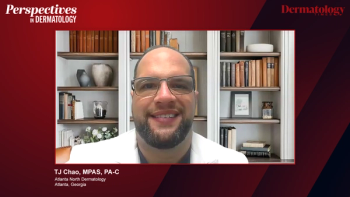
TJ Chao, MPAS, PA-C, discusses tips for educating patients and raising awareness about prurigo nodularis, focusing on the importance of informing patients about the role of systemic treatments and empowering them to make informed decisions about their care.