Takeda’s investigational oral TYK2 inhibitor is supported by phase 3 LATITUDE data demonstrating significant skin clearance versus placebo and apremilast.
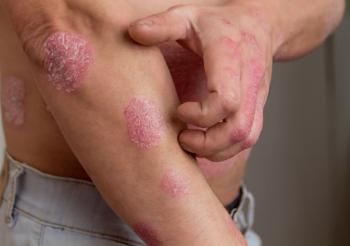
New joint AAD-NPF guidelines consider the quality-of-life impact of pediatric psoriasis as well as comorbidity risks in this patient population.
A collaborative effort between the American Academy of Dermatology (AAD) and the National Psoriasis Foundation (NPF) has led to the first joint
Similar to guidelines for adults with psoriasis, clinicians need to be aware of the comorbidities that can occur in the pediatric psoriasis population. However, one expert believes that much more attention needs to be given to the psychosocial impact of psoriasis on kids.
“The last AAD psoriasis guidelines that addressed juvenile pediatric psoriasis came out a little over 10 years ago,” says Alan Menter, M.D., chairman, division of dermatology, Baylor University Medical Center, Dallas and co-author of the new guidelines.
“The current guidelines, in collaboration with the National Psoriasis Foundation, are a much more extensive review and include everything we have learned in the treatment and management of psoriasis over that time. We now know more acutely that the quality of life (QoL) of pediatric psoriasis patients can be severely impacted, and this needs to be more seriously addressed by healthcare providers going forward,” he says.
The association of several comorbidities including psoriatic arthritis, Crohn’s disease, uveitis, obesity, type II diabetes mellitus, dyslipidemia, hypertension and cardiovascular issues, as well as anxiety and depression have long been recognized in adult psoriasis and are regularly screened for in this patient population.
Approximately one-third of psoriasis cases begin in childhood and adolescence; so, it is necessary to screen for these comorbidities and address them early to minimize their long-term impact.
It has become clear that psoriasis can no longer be considered only a cutaneous disease, but an inflammatory systemic disease with far-reaching implications, Dr. Menter says.
“The multiple systemic comorbidities found in adults can also be seen in the pediatric population, and it is our responsibility to screen our patients appropriately and catch these symptoms early on in their development," Dr. Menter says.
Beyond treating the skin, Dr. Menter says that clinicians should always look for associated comorbidities during the consult, including the significant psychological burden it has on patients.
According to Dr. Menter, psoriasis can have a massive psychosocial impact on children. Children with a disease like psoriasis often get teased and bullied, and the fear and anxiety that is created from the bullying makes it challenging for the affected child to actively partake in everyday activities in school and society.
“This aspect of treating the patient is very often forgotten by the physician and needs to be brought to the forefront of our treatment plan when addressing psoriasis in children,” he says.
Clinicians should try to spend more time with their pediatric psoriasis patients during the consult to carefully assess comorbidities, help improve symptoms and increase the quality of life of patients, Dr. Menter says. A multidisciplinary involvement is typically the best approach, and depending on the various comorbidities found, primary care physicians, pediatricians, rheumatologists and dermatologists should mutually consult on the best treatment and management plan for the individual patient.
Dr. Menter reports no relevant disclosures.
1. Menter A, Cordoro KM, Davis DMR, et al. Joint American Academy of Dermatology-National Psoriasis Foundation guidelines of care for the management and treatment of psoriasis in pediatric children. J Am Acad Dermatol. 2019 Oct 24. pii: S0190-9622(19)32655-6. doi: 10.1016/j,jaad.2019.08.049. [Epub ahead of print]v
over 6 years ago
Rhinophyma treatment, prevention strategiesover 6 years ago
Adjunct therapies may support fractional CO2over 6 years ago
New concepts in cosmeceuticals: Body rhythm moisturizersover 6 years ago
Vaccine shows promise in advanced melanoma patientsover 6 years ago
Pulsed dye laser may improve nonvascular conditionsover 6 years ago
Atopic dermatitis patients need better disease controlover 6 years ago
Postprocedural wound care critical in resurfacingover 6 years ago
US patients participating in risky skin lightening practicesover 6 years ago
Anti-TNF therapy efficacy differs by genderover 6 years ago
Topical rosacea cream creates new treatment paradigm