


This collective initiative gives Mindy Haws, MD, and her team the ability to reach more women in a way that gives back and helps them succeed.
This collective initiative gives Mindy Haws, MD, and her team the ability to reach more women in a way that gives back and helps them succeed.

At the Horizons in Advanced Practice meeting, Lakshi Aldredge, MSN, ANP-BC, DCNP, FAANP, presented a case of a female patient aged 12 years with moderate AD that had been worsening over the past several months.

Patients receiving SSA treatments showed significant improvements after just 2 sessions, supporting its rapid efficacy.
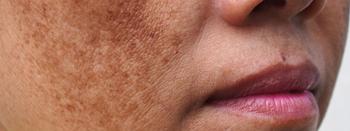
The case-control Chinese study evaluated circumstances that have previously never been established as potential melasma causes.

Snail slime contains bioactive compounds that promote skin healing, hydration, and regeneration.

Researchers reported that propranolol initiation for infantile hemangiomas in pediatric patients is safe, with no significant complications, suggesting reduced need for intensive monitoring.

Catch up on dermatology news, highlights, and insights from the past 24 hours.

Mindy Haws, MD, spoke to Dermatology Times about the new videos, podcasts, and other resources LIMITLESS offers for women at all stages of their careers.

Merz Aesthetics' global study highlights how aesthetic treatments boost self-confidence, well-being, and empower individuals, transforming self-care practices.

Ustekinumab-kfce is available for the treatment of chronic autoimmune conditions like Crohn’s disease, ulcerative colitis, and plaque psoriasis.

Findings suggest that this novel treatment approach can enhance the quality of life for vitiligo patients without increasing the risk of adverse events.
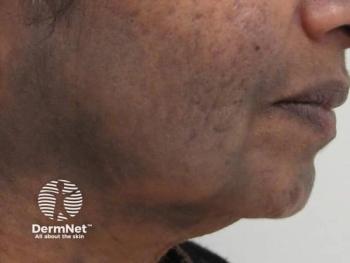
Although more research is needed to fill this gap, sunscreen had the greatest success rates of all the prevention methods in this literature review.
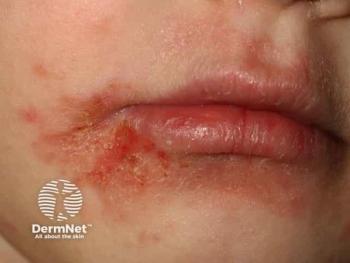
Lead author on recent research, Lawrence Eichenfield, MD, said if approved, this treatment could fill a “significant gap.”

The promotion of anti-aging products to children, who don't yet experience age-related skin changes, is both ethically questionable and potentially harmful.
Explore the top headlines of the week including the expanding role of NPs and PAs, a clinician’s guide to chemical peels, and recently announced therapeutic updates.

Test your knowledge of key words and terms associated with dermatology news from the previous week.

In case you missed it, this week we had news about Arcutis’ new seborrheic dermatitis initiative with Odell Beckham Jr., Zabalafin’s IND for atopic dermatitis, dupilumab as a potential BP treatment, and more.

This week, we feature top articles from our sister publications on women in health care, the relationship between the public and insurance companies, and more.

Catch up on dermatology news, highlights, and insights from the past 24 hours.

Satisfaction levels rose and recovery outcomes greatly improved with Cicaglocal compared to the placebo.

Geological particles can cause skin irritation, allergies, and long-term dermatological conditions.

A study found that 65.8% of US adults distrust their health care system’s use of AI, highlighting a need for better communication on AI tools.

The phase 3 clinical trial investigating delgocitinib cream for adolescents with moderate to severe CHE met its primary and key secondary endpoints.

The combination treatment safely and quickly reduced laser-induced hyperpigmentation, especially on darker skin tones.

A study found that vitiligo patients had a higher incidence of COVID-19 than those with psoriasis or atopic dermatitis.

Catch up on dermatology news, highlights, and insights from the past 24 hours.
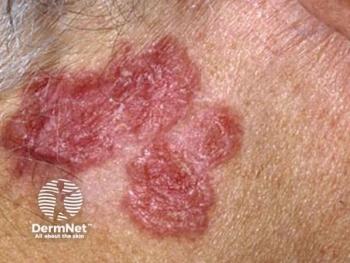
A dermatology expert panel confirms IGSRT as a safe, effective first-line treatment for select nonmelanoma skin cancer cases.

Phillips discusses Merz Aesthetics' recent research, which highlights how aesthetic treatments boost confidence, self-perception, and emotional well-being.
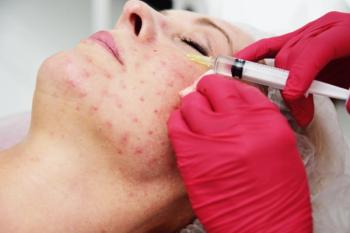
Symptoms of rosacea and dependence on oral medication were reduced in all 5 case studies.

Researchers investigated whether botulinum toxin enhances fat retention, showing promising clinical results.