


Patients aged 6 to 12 had little to no adverse events and no pharmacokinetic abnormalities were noted.
Patients aged 6 to 12 had little to no adverse events and no pharmacokinetic abnormalities were noted.

This study highlights the urgent need for improved awareness, diagnosis, and treatment of inflammatory nail diseases in patients with skin of color.

Catch up on dermatology news, highlights, and insights from the past 24 hours.

At the Horizons in Advanced Practice meeting, Omar Noor, MD, FAAD, presented a case of a woman aged 25 years who presented with erythematous and scaly patches on her face, neck, and upper trunk.

The POETYK PSO LTE trial found deucravacitinib effective in sustaining PASI 75 and PASI 90 responses.
The co-founder of PathAI and its PathAssist Derm tool believes AI is going to be incredibly valuable for dermatologists and dermatopathologists.

VYNE has initiated a phase 1b trial for its oral BD2-selective BET inhibitor.

Alphyn’s therapy uniquely treats both the immune system and bacterial components of atopic dermatitis.
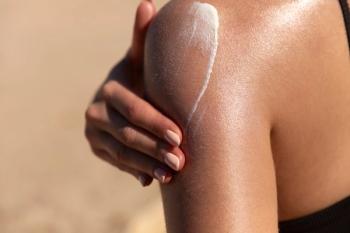
A recent study found sunscreen use is higher among women but often not reapplied properly.
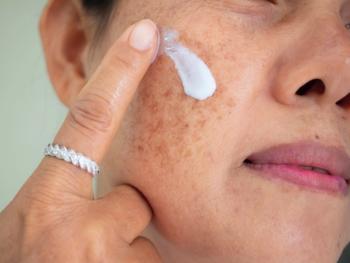
Positive results in melanin, erythema, wrinkles, texture, and periorbital dermal thickness were observed during the 8-week study.

This review of the latest dermatologic studies includes insights into scuba diving's dermatological impacts, the impact of COVID-19 and vaccination on dermatological immune-mediated inflammatory diseases, and more.

Catch up on dermatology news, highlights, and insights from the past 24 hours.

Click through our slideshow to see a glimpse of what the 2025 Masterclasses in Dermatology conference has to offer.

Merz Aesthetics' global study reveals that aesthetic treatments boost self-confidence, social well-being, and self-perception beyond physical appearance.
Although the tool is currently designed for research use only, CEO Andy Beck, MD, PhD, is excited about its future in clinical dermatopathology.
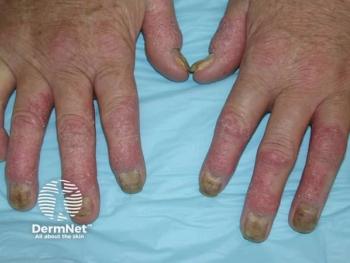
Hispanic and non-White patients with psoriatic arthritis (PsA) had higher tender joint counts and greater disease severity, highlighting racial and ethnic disparities in PsA disease burden and treatment outcomes.

Patients treated with dupilumab showed significant reductions in disease severity, itch, and corticosteroid use.

Jonathan Zalevsky, PhD, discusses the unmet needs in atopic dermatitis treatment, the potential of Rezpeg, and the importance of novel therapies.

Catch up on dermatology news, highlights, and insights from the past 24 hours.

A novel AI model was able to achieve 99.86% accuracy for diagnosing skin conditions, even in people with darker skin tones or excessive hair.
“I think some key things that stand out to me are that it's safe, effective, backed by rigorous clinical data, and has very high patient satisfaction,” Watchmaker said about the new product.

The overwhelmingly positive feedback from both clinicians and patients reinforces the unmet need roflumilast foam is addressing in seborrheic dermatitis care.

Recent research underscores the critical role of periorbital skin care in maintaining a youthful and healthy appearance across all ethnicities.
Jonathan Zalevsky, PhD, discusses the fundamentally different path of Rezpeg compared with existing IL-4 and IL-13 inhibitors in atopic dermatitis.

Michael Rubio, PA-C, and Renata Block, MMS, PA-C discuss the complexities associated with practicing telemedicine, especially as a PA.

New antiaging dermatology concepts target cellular senescence to slow aging and improve skin health with senotherapeutics.

Explore the top headlines of the week including the expanding role of NPs and PAs, a clinician’s guide to chemical peels, and recently announced therapeutic updates.

In case you missed it, this week we had news about rezpegaldesleukin’s fast track designation for AD, bimekizumab’s long-term efficacy for HS, conference recaps of SBS and MOPD, and more.

This week, we feature top articles from our sister publications on FDA approvals, top insights, and new data.

Catch up on dermatology news, highlights, and insights from the past 24 hours.