

She and her colleagues illustrated the role of direct immunofluorescence plays in the evaluation of autoimmune blistering disorders.
She and her colleagues illustrated the role of direct immunofluorescence plays in the evaluation of autoimmune blistering disorders.

Transgender and cisgender patients presenting with acne face differences in acne treatment and prescribing patterns.

According to his AAD 2023 session, Matarasso stresses it’s crucial to consider the type of patient you want as a loyal patient.

This AAD panel will feature a lively discussion on how to handle difficult or complex medical dermatology cases, with illustrative case studies on dermatomyositis, hidradenitis suppurativa, atopic dermatitis, and more.

The Skin of Color Society challenged dermatologists, residents, and medical students to address racial disparities in dermatologic care and shared best practices to serve patients of color.
Experts will gather for an “Acne Boot Camp” at the American Academy of Dermatology 2023 Annual Meeting to discuss best practices for treating patients with acne.

Han and colleagues will explore the most important factors to consider when selecting an appropriate biologic treatment in an upcoming panel at AAD.

The SUPERB applicator is cleared to address several aesthetic and cosmetic concerns, including lines, wrinkles, and more.

In part 2 of this Frontline Forum series, Joshua Zeichner, MD, FAAD; Hilary Baldwin, MD; Zoe Diana Draelos, MD; Aaron S. Farberg, MD, FAAD; and Leon H. Kircik, MD, discuss the main pillars of acne and topical treatments available for patients with acne.

Among the more than 300 sessions to be held at this week's American Academy of Dermatology meeting in New Orleans, Louisiana, several Dermatology Times® Editorial Advisory Board members are preparing to share their knowledge and insights.
Anna Bar, MD, FAAD returns to AAD as part of the interactive “How Would You Reconstruct It?” session.

This weekend's American Academy of Dermatology (AAD) meeting in New Orleans has key opinion leaders excited.

When combined with a low dosage of prednisone, methotrexate provided nearly complete or complete hair regrowth in up to 31.2% of patients with alopecia areata.

Dermavant’s ADORING 2 phase 3 trial met all primary and secondary endpoints.

Monica K. Li, MD, shares what to expect at her co-directed global microneedling techniques session at AAD 2023.

Treatment safety and efficacy for atopic dermatitis has seen significant growth over the last decade.

As sessions wrap up each day at AAD, there are numerous must-see places in New Orleans.

Researchers observed no difference in rate ratios between a 2009 to 2015 cohort and a 2016 to 2021 cohort.

Researchers reviewed nearly 7 years' worth of patch testing data to analyze trends in hand eczema in Latin America.

Danish researchers collected nearly 20 years of data to determine an association.

Adam Friedman, MD, FAAD, offers first-time AAD attendees tips on how to navigate the annual meeting in New Orleans.

A recent phase 2 study revealed that the gel could act positively in microcystic lymphatic malformations, which currently have no FDA-approved treatments available.

The technology is the first non-invasive microwave treatment for cellulite to produce results on all skin types.

A recent study touts the benefits of Lycomato® oral supplement for improving fine lines and wrinkles.
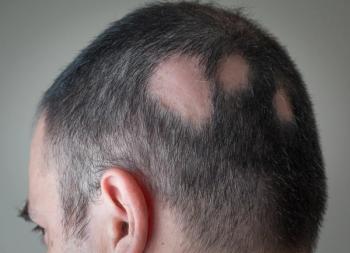
The findings of this cross-sectional study indicate alopecia areata, alopecia totalis, and alopecia universalis is more common in people of color, particularly Asian Americans.

ICYMI, this week we had stories about inspiring women in dermatology for International Women's Day, a measles outbreak in Kentucky with 200,000 exposed, sarecycline's role in treating acne vulgaris, and more.

Many dermatologic conditions have demonstrated proven impacts on patients and their quality of life.
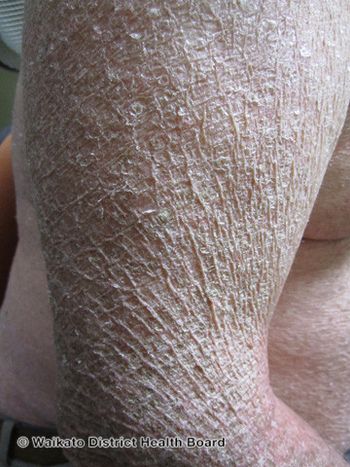
Yale School of Medicine is a testing site for a potential new congenital ichthyosis treatment.

The study suggests memantine could be considered a first-line treatment equal to behavioral therapy in the treatment process.

Study investigators evaluated the blood-brain barrier penetrance and lipophilicity of the narrow-spectrum, third-generation tetracycline-class oral antibiotic used for acne treatment.
