

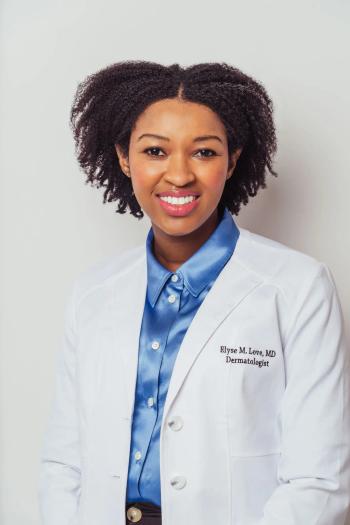
Elyse Love, MD, discusses the role of the program in supporting students with skin conditions the financial support and empowerment necessary for academic success.
Elyse Love, MD, discusses the role of the program in supporting students with skin conditions the financial support and empowerment necessary for academic success.

Catch up on the latest news on prurigo nodularis advancements in 2024.

Catch up on coverage from the fourth day of the Maui Derm NP+PA Fall 2024 conference in Nashville, Tennessee.

Hilary Baldwin, MD, emphasized involving patients in the decision-making process to create a personalized and cost-effective plan.

Data was published in the Journal of the American Board of Family Medicine.

In this Maui Derm NP+PA Fall session, Tsao discusses the growing trend of TIL therapy and neoadjuvant treatment for pigmented lesions, as well as atypical clinical presentation.
In her session at Maui Derm NP+PA Fall, Culton also emphasized the importance of accurate and timely diagnosis, as well as upcoming treatment options.

During an interview with Dermatology Times, Zirwas outlined modern allergens such as sulfites, dietary nickel, and acrylates.

Catch up on coverage from the third day of the Maui Derm NP+PA Fall 2024 conference in Nashville, Tennessee.

From dupilumab to OX40s, Zirwas talked about the niche to all atopic dermatitis therapies to make the best decision with your patient.

In a session at Maui Derm NP+PA Fall, Zirwas talked about the newfound discoveries of causation within the AD space.

In his signature Maui Derm NP+PA Fall 2024 session, Shapiro discusses the importance of acting quickly when confronted with a patient who has scarring alopecia.
In a session at Maui Derm NP+PA Fall 2024, Julie Harper, MD, ran through 5 key takeaways for providers managing patients with acne, including where the new triple fixed-dose combination treatment falls in the treatment landscape.

Dermavant’s sNDA for tapinarof cream 1% for AD is still under review with the FDA.

Del Rosso’s cases emphasized the importance of thorough patient evaluation and communication with other health care providers.

Catch up on coverage from the second day of the Maui Derm NP+PA Fall 2024 conference in Nashville, Tennessee.

During his session at Maui Derm NP+PA Fall, Hawkes emphasized the need for careful patient communication and shared his excitement for remibrutinib.
This Maui Derm NP+PA Fall session discusses the latest advancements in hidradenitis suppurativa treatment, the evolving therapeutic landscape, and the critical need for timely diagnosis and aggressive care.

Researchers analyzed APPs treatment and perceptions on AD in studies focusing on patient satisfaction and patients with skin of color.

At Maui Derm NP+PA Fall 2024, Ted Rosen, MD, and George Hightower, MD, PhD, review the landscape of infectious diseases that can have dermatologic involvement, including viral, bacterial, fungal, and parasitic illnesses.

Catch up on coverage from the first day of the Maui Derm NP+PA Fall 2024 conference in Nashville, Tennessee.
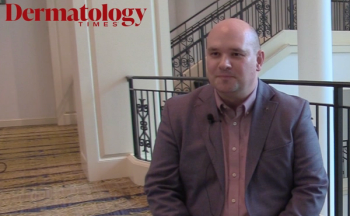
Hawkes highlights groundbreaking therapies for psoriasis, including new oral medications and IL-23 inhibitors.

At Maui Derm NP+PA Fall 2024, Melodie Young, MSN, ANP-c, reviews new treatment options for pediatric patients with psoriasis and details the difference in disease manifestation between adults and children.

The IL-13 inhibitor, recently FDA-approved for moderate to severe AD, reached all primary endpoints in the study focusing on patients with skin of color.

George Martin, MD, and Ted Rosen, MD, reprise their popular session on new therapies and products with a fast and furious rundown of the current armamentarium across disease states.
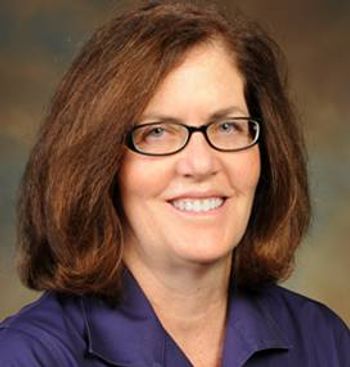
At Maui Derm NP+PA Fall, Sheila Fallon Friedlander, MD, reviews key findings for the pediatric population from recent dermatology literature, covering topics like cutaneous Crohn’s disease, interrupting the atopic march, advancements in gene therapy, and more.

The conference aimed at providing dermatology NPs and PAs clinicians with the latest updates in the specialty begins today in Nashville, Tennessee.
Keep up with the latest headlines in dermatology from the past week, including the use of AI in a dermatology clinic to enhance gun safety, decreased rates of melanoma in Swedish adults under 50, and more.
Ebglyss is now approved for children and adults aged 12 years and older.

In case you missed it, this week we had news about adverse event profiles among pediatric patients treated with JAK inhibitors, positive results from a phase 3 trial of dupilumab for chronic spontaneous urticaria, and the impact of tropical weather on patients with atopic dermatitis.