


Arash Mostaghimi, MD, MPH, MPA, provides insights into what clinicians need to know about deuruxolitinib for severe AA.
Arash Mostaghimi, MD, MPH, MPA, provides insights into what clinicians need to know about deuruxolitinib for severe AA.

Key highlights of the presentations included data on delgocitinib for atopic hand eczema, and tralokinumab for head and neck atopic dermatitis.

Gooderham reviews key highlights from EADV 2024 on the ADjoin long-term extension trial for patients with moderate to severe AD.

“It is critical that our clinical data represent the diversity in the world around us, and these results further reinforce our commitment to providing meaningful innovation for immune-mediated skin diseases," said Patrick Burnett, MD, PhD, FAAD, chief medical officer of Arcutis.

Researchers reported reductions in draining tunnels and total lesion counts.

Kilian Eyerich, MD, PhD, shares insights into an EADV 2024 presentation on upadacitinib’s ability to achieve almost total skin clearance in the head and neck regions with minimal effect on quality of life.
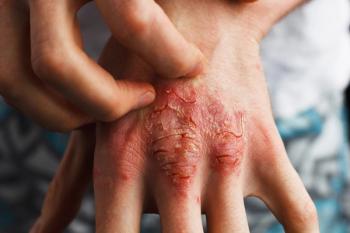
The findings stem from post-hoc analyses of previous trials, which found that 75.1% of patients reached PASI100 after 1 year on bimekizumab.

Through collaboration with Nimbus Therapeutics and Schrodinger, zasocitinib’s AI-driven design maximizes its fit within the targeted enzyme.

In addition to decreases in BMI, researchers also reported fewer HS flare ups.

In recent years, there has been a noticeable rise in diagnoses of sexually transmitted infections, often which present with skin findings.

Mona Shahriari, MD, FAAD, shared insights into prevalence, clinical presentations, increasing research diversity, and advocating for representation.

The study found that over 80% of patients who responded to lebrikizumab at week 16 maintained clear or almost-clear skin after 3 years.
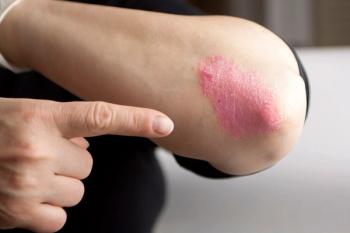
Researchers presented interim 3-year results from the European SERENA study.

A new analysis from phase 3 studies shows Rinvoq's effectiveness for moderate to severe AD with head and neck involvement.

Christopher Bunick, MD, PhD, shared insights into zasocitinib’s presented data and ongoing clinical trials.

Farberg discusses data recently published in Geriatrics demonstrating low rates of recurrence.

VYNE recently announced positive results for its novel oral small molecule BD2-selective BET inhibitor in a single-ascending dose clinical trial.

As conference season approaches the last few months of the year, catch up on highlights from NP & PA conferences, including Fall Clinical for PAs and NPs and SDPA Summer.

Learn more about the latest in dermatology from Sheila Fallon Friedlander, MD; Melodie Young, MSN, ANP-c; Raj Chovatiya, MD, PhD, MSCI; Julie Harper, MD; and Matthew Zirwas, MD.

The FDA has set a PDUFA target action date of May 22, 2025.

By offering a wide range of services, dermatologists can provide a holistic approach to skin health.

Understanding comorbidities such as thyroid dysfunction and vitiligo helps to navigate comprehensive care to achieve long-lasting results in alopecia areata treatment.

Review cutaneous signs and symptoms of HAE that may enhance early diagnosis and treatment.

Announcements from both the FDA and the EC were supported by 2 clinical trials that evaluated the safety and efficacy of delgocitinib cream.

Bimzelx was also approved for non-radiographic axial spondyloarthritis and ankylosing spondylitis.

Zelma Chiesa Fuxench, MD, MSCE, FAAD, and Mona Shahriari, MD, FAAD, discuss the lack of research into psoriasis in skin of color, the absence of diversity in clinical trial populations, and where dermatology as a discipline can go from here.

Keep up with the latest headlines in dermatology from the past week, including data on AI versus dermatology residents, permanent makeup and the risk of allergic contact dermatitis, and more.

Catch up on eczema advancements throughout the year, including news on contact dermatitis, chronic hand eczema, and more.

Lim discusses support for underserved communities, including dermatology training for Pacific Island Nations.

Peptides are increasingly used in cosmeceuticals for their ability to enhance cellular communication and functionality in antiaging formulations.