Can “Botox in a bottle” really rival injectable neuromodulators? We examine the evidence behind topical peptide serums and Argireline.
Learn more about the in-depth topics covered in the October 2024 print issue of Dermatology Times.
The October issue of Dermatology Times includes a collection of thought-provoking articles and topics ranging from intralesional 5-fluorouracil injection for older patients with squamous cell carcinomas to comparing medical and cosmetic hyperpigmentation. Be sure to read the highlights from the issue below. Also, don’t miss a moment of Dermatology Times by signing up for our
One of the most common types of cancer, squamous cell carcinoma (SCC), accounts for approximately 20% of all nonmelanoma skin cancers. There is a potential for metastasis if it is left untreated. Although Mohs surgery and surgical excision are the gold standard treatments for SCC, there are other modalities of treatment for when surgery is not the best option. The patient may have significant health comorbidities or an extensive history of skin cancer surgeries that makes them less likely to want to undergo surgery. If a tumor is large, the surgery may cause significant morbidity, including tedious reconstruction. Considering this, we can offer other options of therapy as dermatologists and cutaneous oncologists. Nonsurgical options can be alternative treatments or neoadjuvant to surgery to help decrease the tumor burden before surgery. One of these alternative therapies gaining popularity is intralesional 5-FU chemotherapy. Intralesional 5-FU is a localized, effective therapeutic for patients who elect to delay therapy or are not ideal candidates for surgery or radiation.
A recent paper published in the
Perceptions of medical aesthetics have changed significantly over the years, and these perceptions continue to evolve in the field as we know it today. Once considered an industry shrouded in secrecy, people now see medical aesthetics as an important part of self-care and an opportunity to destigmatize the choice to enhance one’s natural features.
Throughout my over 22 years in the industry, I’ve watched its growth from an exclusive, hushed market of older women seeking plastic surgery to one that welcomes new communities and includes a growing preference for noninvasive treatments and tweakments. More people are turning to aesthetic practitioners hoping to enhance their appearance, and the numbers continue to increase. The global medical aesthetics industry is projected to have a 6% compound annual growth rate through 2027, despite macroeconomic trends.
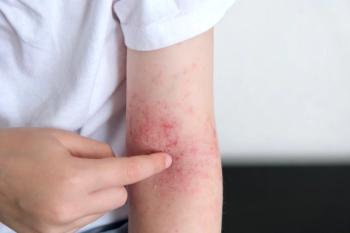
The most common cosmetic complaint I receive in my 50% medical and 50% cosmetic practice is hyperpigmentation. Hyperpigmentation can be a primary finding but is more often a secondary finding. Approximately 60% to 70% of my patients who present with hyperpigmentation have an underlying medical disease that has not been diagnosed. Many inflammatory skin diseases, including psoriasis, hidradenitis suppurativa, and atopic dermatitis in patients with darker skin types, can present with secondary hyperpigmentation.
Why is this a problem? Many patients are treated for their secondary findings
with agents such as hydroquinone, which also can cause hyperpigmentation, either from irritant contact dermatitis or, rarely, ochronosis. If hydroquinone is compounded with tretinoin, you get a double whammy in a patient with atopic dermatitis who presents with hyperpigmentation from their atopic dermatitis.
almost 2 years ago
Which Tax Treatment Is Best for Your Dermatology Practice?almost 2 years ago
Facing Challenges in Pediatric Plaque Psoriasisalmost 2 years ago
Available Psoriasis, Patient Involvement, and Holistic Treatmentalmost 2 years ago
Hyperpigmentation: Is It Medical or Cosmetic?almost 2 years ago
Tailored Strategies and Evolving Therapies for Plaque Psoriasisalmost 2 years ago
New Treatments Enhance Care for Diverse Range of Patients With Psoriasisalmost 2 years ago
Eyelashes: Hair Today, Gone Tomorrowalmost 2 years ago
The Changing Face of Aesthetics