

As age is the strongest risk factor in NMSC, dermatologists can see an increase in this type of cancer in elderly patients, and treatment preferences vary.
As age is the strongest risk factor in NMSC, dermatologists can see an increase in this type of cancer in elderly patients, and treatment preferences vary.

Atopic dermatitis presents differently depending on whether the patient is an adult or child. This means that different treatments may be more effective in an adult than children and vice versa.

Changes in government medical billing and coding for dermatologists and other physicians is scheduled to begin January 2021.
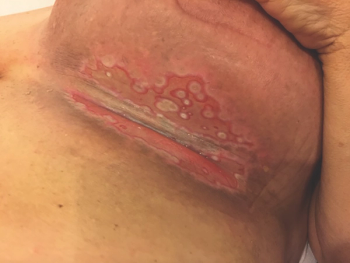
Dermatologists investigate better ways to treat radiodermatitis as it becomes increasingly common in breast cancer patients.
Comparative diagnosis of actinic keratosis (AK) and squamous cell carcinoma (SCC) in situ is needed for accuracy in treatment plan.

Dr. Day presents her best tips on approaching social media channels as a tool to engage with potential patients, knowing your audience and sharing the latest science and trends in dermatology.

New options may be possible for treatment-resistant and severe rosacea with the use of IL-17 inhibitors as researchers conduct studies on effectiveness.

Melanoma located on the head and neck are associated with a potentially worse prognosis relative to alternate anatomical sites and peripherally located melanoma compared to those centrally located.

Dr. Torres explores continuing medical education programs and whether they're successful in helping physicians obtain new knowledge.

Niki Vora reflects on how her struggles with untreated atopic dermatitis, folliculitis and cystic acne led her to writing her scholarship-winning essay.

The Prior Authorizations process creates inconsistent application, physician dissatisfaction and opportunity for life-threatening adverse events for patients.

In this Legal Eagle article, Dr. Goldberg discusses the intricacies of the physician-patient relationship, and how that relationship can still be formed even if you never see the patient.

Psoriasis and atopic dermatitis patients want more nonsteroidal topical options. This expert breaks down newly available treatments and those to come.

Phase 3 studies suggest new topical retinoid effectively treats facial and truncal acne.
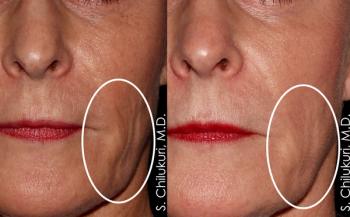
From automation to application-driven menus, laser technology companies are rolling out devices and handpieces designed to deliver better results and safety profiles.
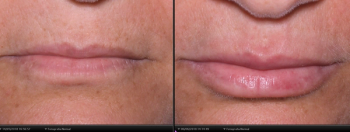
Can the lips be augmented without dermal filler injections? According to Carlos Wambier, M.D., Ph.D, the answer is a resounding “yes.” (And we’re not talking about Kylie’s infamous glass challenge...)

Marketing expert Justin Knott explains how to grow your Instagram following as part of a successful digital practice marketing strategy.

Dr. Gregory Buford believes success on social media means cutting through the clutter by combining key personality traits and posting the right mix.
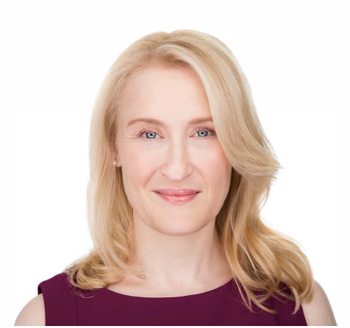
Dr. Heidi Waldorf offers dos and don’ts for neurotoxins and dermal fillers to differentiate the aesthetic practice.

There are more treatment options for psoriasis patients than ever before, so why do patient reported outcomes still suggest failure to meet patient expectations? Experts from the International Psoriasis Council (IPC) highlight factors that could be causing the perceived disparity between psoriasis treatment and patient satisfaction.