


Learn more about the in-depth topics covered in the April 2023 issue of Dermatology Times®.
Learn more about the in-depth topics covered in the April 2023 issue of Dermatology Times®.

At least 1 legal case suggests that providers have a duty to minimize risks during the transition period to a new electronic health record system.

Although our tax code changes somewhat regularly, both real estate and cash value life insurance have shown superior tax treatment for decades.

The association was significant after adjusting for sociodemographic factors, hair status, dietary intake, lifestyle, and psychological status.

April is National Rosacea Month. Recent data has indicated a correlation between rosacea and certain cardiovascular, neurologic, endocrine, and gastrointestinal disorders. Steve Daveluy, MD, FAAD shares insight on that, plus several new and exciting therapies available.

It has been hypothesized that some lipid-lowering drugs are disease-modifying for psoriasis, and the use of lipid-lowering drugs in the management of psoriasis symptoms is currently being explored

The skin microbiome varies from person to person based on sex, age, body location, antimicrobial peptide presence, and immune function.


Research published in JAMA Dermatology finds dupilumab works quickly and safely for patients with erythrodermic atopic dermatitis.

Topicals, orals, biologics—Armstrong’s Winter Clinical Miami presentation focused on new treatment options for patients with psoriasis with an emphasis on real-world observations.
Alexandra Golant, MD, and Seemal Desai, MD, weigh the pros and cons of each treatment option for atopic dermatitis, considering mechanism of action, efficacy, and safety. Which will emerge victorious?

A poster presentation from SBS 2023 reviewed the clinician satisfaction of tirbanibulin for the treatment of actinic keratosis.

Aaron Farberg, MD, FAAD, discussed updates and applications of genomics in dermatology at South Beach Symposium.

Ronda Farah, MD, gave an in-depth overview of aesthetic procedures to understand for LGBTQ+ patients at SBS 2023.
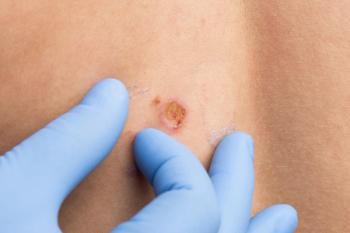
Merkel cell carcinoma is a rare but highly aggressive type of nonmelanoma skin cancer and Merkel cell polyomavirus is thought to play a major role in its etiology.