

Atopic Dermatitis
Latest News
Advertisement
Latest Videos









Advertisement
More News
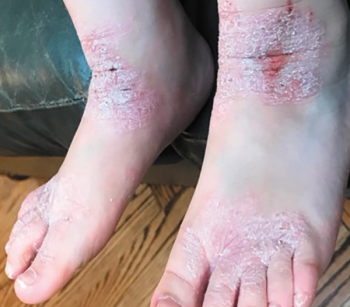
“Pretty much, I couldn’t go about my normal life,” says Benjamin Sun about a life-altering eczema flare up at age 9, which left him out of school and bedridden for weeks. Until now, children like Sun didn’t have an effective, safe option for long-term disease control. Read how dupilumab changed his quality of life, and what it can do for your pediatric patients with uncontrolled moderate to severe atopic dermatitis.

Despite evidence that topical cannabinoids may relieve symptoms, more research is needed.

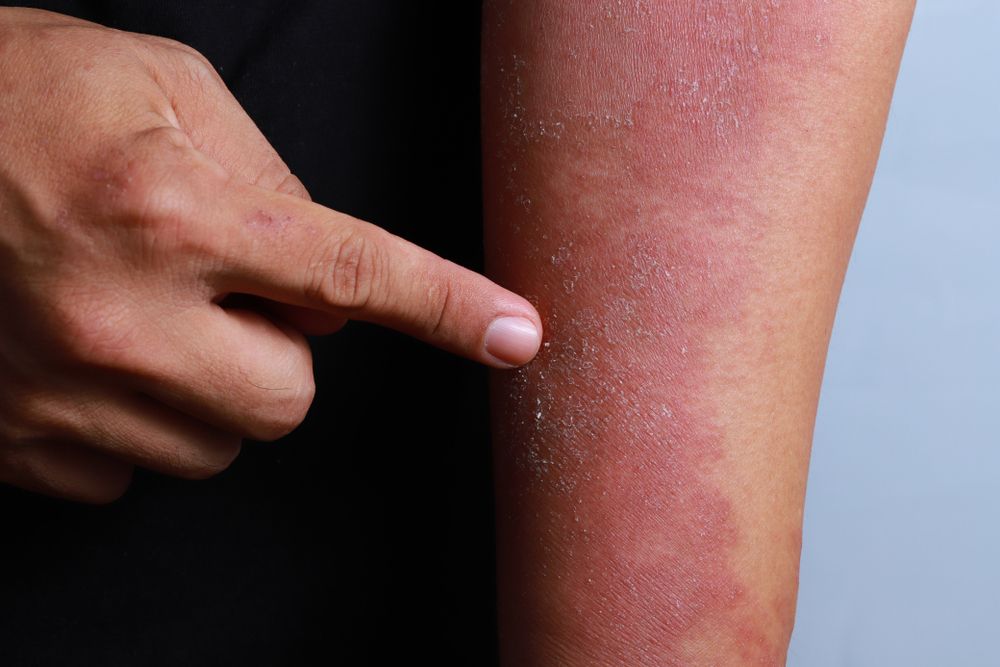
The differential diagnosis of atopic dermatitis can be challenging. Our expert, Dr. Robert Lazarra, highlights the basic criteria you need to know in this video.

Mothers of children with atopic dermatitis may be more likely to experience difficulty falling asleep, insufficient sleep and daytime exhaustion, according to a recent study.

Unlike prior generations of dermatologic drugs, Janus kinase (JAK) inhibitors show potential for treating numerous dermatologic indications. Brett King, M.D., Ph.D. explored what this class of drug has to offer in his presentation during AAD earlier this month.
In the future, atopic dermatitis (AD) may need to be targeted with different drugs and tailored for different AD populations, particularly if initial treatment targeting all phenotypes fails, says Emma Guttman-Yassky, M.D., Ph.D.

New atopic dermatitis treatment developments earn “hot topic” status at AAD.

The development of new biologics targeting a variety of dermatoses is on the upswing with some treatments coming to the clinic as early as this year, according to April Armstrong, M.D. who discussed the topic at the American Academy of Dermatology Spring Meeting in Washington, D.C.

Dr. Lawrence Eichenfield discusses a better understanding of disease pathogenesis, available therapies and proactive treatment approach improves the outlook for managing atopic dermatitis.

Dr. Jonathan Silverberg offers tips at AAD 2019 for diagnosing and managing atopic dermatitis in adults.

Healthcare disparities exist in all fields of medicine, including dermatology. We seek to address these disparities in this article by outlining the differences in epidemiology, presentation, access and outcomes of five conditions in patients with skin of color.
The FDA has reversed a long-standing guidance stating that sponsors of clinical trials for atopic dermatitis (AD) in pediatrics need not start the trial in adults first. Here's what you need to know.
Asana BioSciences announced that the U.S. Food and Drug Administration granted fast-track designation for the investigational ASN002, an oral treatment for moderate-to-severe atopic dermatitis. Learn more in this article.
The National Psoriasis Foundation and the National Eczema Association have awarded Procter & Gamble’s Tide Free and Gentle Liquid Laundry Detergent and Tide PODS Free and Gentle Laundry Detergent a “Seal of Recognition” and “Seal of Acceptance” for people with eczema or sensitive skin.

Before 2018 comes to a close, we wanted to say thank you to our readers from everyone here at Dermatology Times. As a thank you, we have compiled a list of the topics and issues you found most compelling throughout the year. Enjoy this slideshow - and see you in 2019!

Patients with moderate-to-severe atopic dermatitis are at high risk of having inadequate disease control, according to a cross-sectional study in JAMA Dermatology.

A 13-year-old girl presented with a history of atopic dermatitis and alopecia totalis. Nine months after starting dupilumab, the patient regrew hair on 60 percent of her scalp.

Severe case of dupilumab-associated conjunctivitis successfully managed without discontinuing therapy.

In this article, Dr. Peter A. Lio discusses how recent advances in atopic dermatitis have led to a new standard of care, which aims to keep patients clear safely and maximize improvements in quality of life.

Adults with severe and mostly active atopic eczema are at a higher risk of developing cardiovascular disease, a population-based study shows.
Physicians bypass systemic treatments in moderate to severe cases of atopic dermatitis despite its potential to control symptoms.

Cosmetic products with prebiotics, probiotics and postbiotics may be beneficial in treating eczema, a physician reported at the Fall Clinical Dermatology Conference held earlier this month in Las Vegas.

Dupilumab-associated conjunctivitis may warrant discontinuing therapy for atopic dermatitis, a study shows.
Atopic dermatitis patients are likely more willing to adhere to treatment and achieve better outcomes when there is shared decision-making between the clinician and patient, according to an article in press in the Annals of Allergy, Asthma and Immunology.
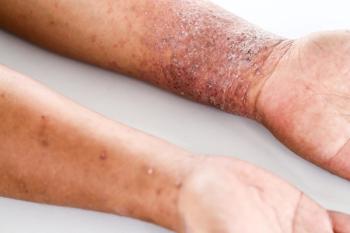
Combination treatment of dupilumab and topical corticosteroid treatment improved itch, mood and quality of life in adult patients with moderate-to-severe atopic dermatitis, according to a new trial.
Advertisement
Advertisement
Trending on Dermatology Times
1
FDA Approves Baricitinib for Adolescents With Severe Alopecia Areata
2
Dr. Charrow Highlights Earlier Biologic Use and Deroofing in Hidradenitis Suppurativa
3
From Mechanism to Management: Navigating Male Pattern Hair Loss and New Topical Therapies
4
Tremfya Meets Primary, Major Secondary Endpoints in Phase 4 STAR Study of Axial PsA
5