


A panel at SPD 2026 emphasized how pediatric dermatologists tackle pay gaps using RVU benchmarks, private practice options, and coding tactics to raise reimbursement.

Marie Bosslett is the assistant editor of Dermatology Times® and joined the MJH Life Sciences team in October 2024. She attended Loyola University Maryland in Baltimore and earned a Bachelor of Arts in Communication with minors in marketing and writing. When she’s not writing, Marie enjoys going to concerts, reading on the beach, and spending time with friends and family.
You can reach her at mbosslett@mjhlifesciences.com.
A panel at SPD 2026 emphasized how pediatric dermatologists tackle pay gaps using RVU benchmarks, private practice options, and coding tactics to raise reimbursement.

Live from SPD 2026; learn how dermatologists can spot teen body dysmorphia, avoid reassurance traps, and use quick in-clinic tools to trigger early mental health referral.

Pediatric vitiligo care now prioritizes comorbidity screening like thyroid checks and anemia evaluation, mental health support, and new therapies including JAK trials and phototherapy options.
Pediatric histiocytosis updates at SPD 2026 reveal BRAF/MEK targets as dermatopathology and biopsy genetics boost accuracy in complex childhood dermatoses.

Honored with a top pediatric dermatology award, Amy Paller, MD, MS, shares her mentorship roots, career highlights, and continued advocacy for new treatments and research.
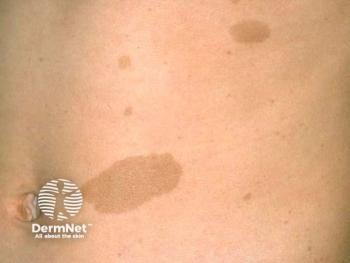
Sarah Chamlin, MD, and Jonathan Dyer, MD, shared practical guidance on treating ulcerated infantile hemangiomas and assessing café-au-lait spots, emphasizing pain control, propranolol, follow-up, and genetics.

In his session at SPD, Markus Boos, MD, PhD showed how inclusive language, privacy, and team training improve dermatologic care and outcomes for gender minority youth.
Nanette Silverberg, MD, shares new pediatric vitiligo guidance, spotlighting facial-first goals, topicals, UVB, and steroid "rescue" strategies for widespread, fast-moving disease.

At SPD 2026, Brandi Kenner-Bell, MD, FAAD, shared practical pediatric dermatology tips for curly and coily hair: cleanse smarter, deep condition, avoid damaging chemicals, and reduce braid tension to prevent breakage.
Pediatric dermatology experts will gather in Minneapolis for SPD's Annual Meeting: will you be there?

New trends around cheeky swimwear and tanning myths are leading to rising rates of melanomas in sensitive areas; read July's cover story to learn more.

This review of the latest dermatological studies includes insights on the burden of flooding, finasteride versus dutasteride in AGA, myocardial dysfunction in psoriasis patients, and more.
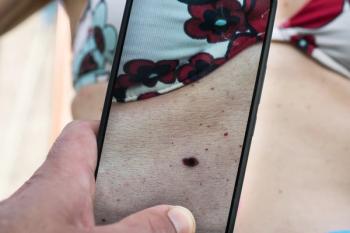
European task force review finds dermatology and AI skin cancer apps booming in Europe, but clinical proof, CE marking, and GDPR transparency lag.
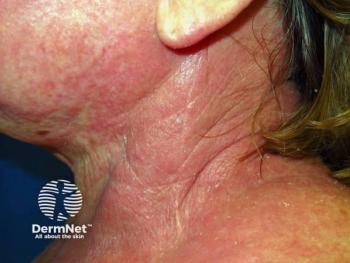
Real-world TARGET-DERM data show switching to upadacitinib boosts skin clearance, itch relief and quality of life for tough atopic dermatitis.

New research shows bakuchiol ferulate mimics retinol’s skin-renewal effects while boosting light and heat stability, lowering phototoxicity, and improving irritation tolerance in tests.
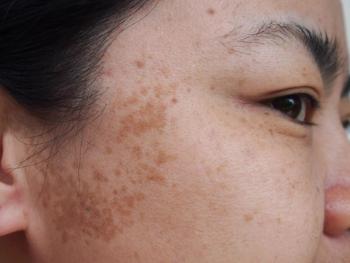
In a recent study, low-fluence fractional 694‑nm ruby laser safely lightened stubborn melasma, while AI imaging tracked subtle pigment and texture improvements missed clinically.

Put your dermatology expertise to the test with Dermatology Times’ interactive quiz series.
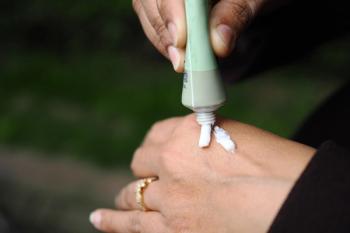
Do patients really need to stop using retinoids in the summer or is that just a myth? Read more about the latest social media trend and learn how to counsel your patients in the clinic.
Dermatologists and oncologists at a Dermatology Times Evolving Paradigms event in Dallas compared immunotherapy selection, adverse event management, and referral practices in advanced cutaneous squamous cell carcinoma.
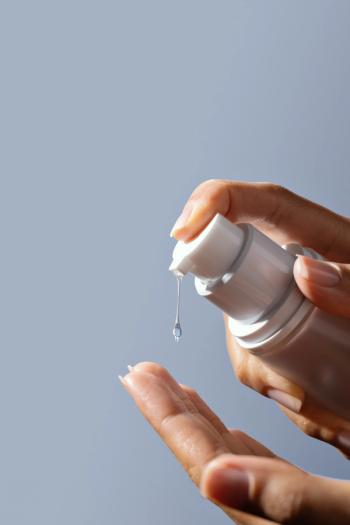
Placebo-arm RCTs show gentle cleansing, moisturizing, and sunscreen alone can significantly improve acne, rosacea, AKs, melasma, and PIH, boosting outcomes beyond prescriptions.

Anatomy-guided VectorLift thread lift cuts pain and downtime, lowers bruising risk, and delivers comparable facial lifting in real-world patient study.

Hormonal shifts shape psoriasis and atopic dermatitis through puberty, pregnancy, postpartum, and menopause, guiding safer treatment choices and protecting pregnancy outcomes.

Kathleen Suozzi, MD, details how she debunks sunscreen myths, explains absorption and SPF, urges year‑round UV habits, and previews new filter bemotrizinol, when counseling her own patients.
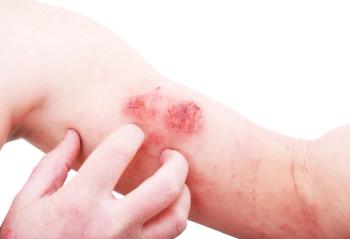
New phase 3 data show oral TYK2 inhibitor soficitinib improves moderate-to-severe atopic dermatitis, easing itch with no new safety signals.
This review of the latest dermatological studies includes insights on gut dysbiosis in inflammatory conditions, air pollution and vitiligo risk, emollient use in AD patients, and more.

Kathleen Suozzi, MD, explains how UV damage shows up, why actinic keratoses matter, and which field therapies and lasers help cut skin cancer risk.
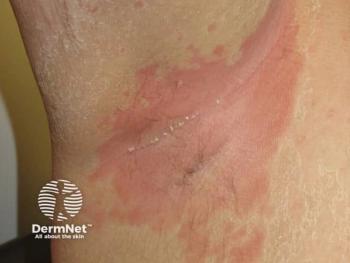
Low vitamin B12 levels link to longer-lasting wheals and heavier symptom burden in chronic spontaneous urticaria, suggesting a simple lab check for stubborn cases.
At a recent Dermatology Times Evolving Paradigms event led by Mark Nestor, MD, PhD, FAAD, dermatologists, Mohs surgeons, and oncologists compared immunotherapy mechanisms and referral thresholds for advanced CSCC.

Black Girl Sunscreen founder Shontay Lundy debunks SPF myths for skin of color, urging education, representation, and teamwork for healthier skin.
Put your dermatology expertise to the test with Dermatology Times’ interactive quiz series.