


His keynote speech at ACMS focused on artificial intelligence for precision medicine and cancer diagnosis.
His keynote speech at ACMS focused on artificial intelligence for precision medicine and cancer diagnosis.

Jerry Brewer, MD, MS, shared pearls on reasons to avoid or discontinue Mohs surgery and keeping calm with stressed, vulnerable patients.

Katie Schlenker, DO, emphasizes the importance of empathy during tough conversations with skin cancer patients with few to no treatment options left.

Collins said an office environment impacts outcomes and shared office design considerations.

One ACMS session focused on creating a memorable experience for patients with office space, online presence, and practice management to attract and retain great patients and staff.

Golda explains why he prefers using tranexamic acid to control bleeding in granulated wounds.

An ACMS poster session indicates Mohs micrographic surgeons and histology technicians are at high risk of developing musculoskeletal injuries from their day-to-day tasks.

Laura Rezac, MD and her colleagues evaluated a teledermatology postoperative follow-up model after Mohs Micrographic surgery.

Caleb Kovell, MD and Junqian Zhang, MD demonstrated how teaming up increases the likelihood for positive patient outcomes in Mohs cases on the genitalia and perianal region.
The question was a conversation starter after an ACMS clinical abstract presentation.

An ACMS poster session delves into the role artificial intelligence can play in the treatment of basal cell carcinoma.
A poster session and ACMS keynote speaker Anant Madabhushi, MS, PhD, both delve into the use of AI in Mohs surgery.

Bar will share insight on foldover interpolated flaps for full thickness of nasal defects.

The ACMS president and scientific program chair share opportunities to discover innovations in Mohs surgery during this weekend’s meeting.

If you are attending the 2023 ACMS Meeting, check out these local attractions to soak up the best of Seattle between sessions.

May is National Skin Cancer and Melanoma Awareness Month. We have skin cancer at the forefront of our coverage this month. Here is a recap of the latest news about skin cancer research, studies, and more.
The intention is to expedite the development and review of the drug helping adults with generalized pustular psoriasis.
Galderma announced the approval of a injectable poly-L-lactic acid to correct fine lines and wrinkles.

Mark Lebwohl, MD said it is a step forward for patients diagnosed with generalized pustular psoriasis.
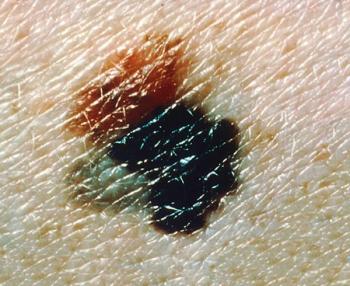
Patients in the clinical trial had confirmed disease progression after 12 weeks.

Jack Arbiser, MD, PhD conducted research in a recent study to observe the impact R-propranolol has on broad-spectrum anti-coronavirus activity.

Learn more about the in-depth topics covered in the March 2023 issue of Dermatology Times®.

When a patient complains of breast pain, there are several special considerations for diagnosis and treatment.

The investigational oral JAK1 inhibitor showed promising results for vitiligo patients.

More than 300 innovative sessions, an engaging exhibit hall, and heartfelt networking—there was a lot to pack into AAD 2023! Here are the highlights.


A pediatric dermatologist and pediatric allergist translated guidelines into clinical practice at AAD 2023.

Jack Arbiser, MD, PhD discusses the connection between the skin barrier and anti-aging products.
This question drummed up discussion during one AAD 2023 session on the topic. We want to hear from you!