


In an AAD late-breaking research session, Joel Gelfand, MD, MSCE, FAAD, presented in-depth results of the LITE Study.
In an AAD late-breaking research session, Joel Gelfand, MD, MSCE, FAAD, presented in-depth results of the LITE Study.

The American Acne and Rosacea Society welcomed Del Rosso as its new president and he shared key takeaways from his AAD sessions.

Chovatiya acknowledged the common sentiment among residents who, despite dedicating significant time to studying and working during residency, may feel unprepared.

"We cannot do health equity outside of an institution unless we figure out how to get our own house in order," the AMA leader said.

The 20th Annual Skin of Color Society Scientific Symposium featured diverse research including studies on traction alopecia among individuals with religious head coverings, challenges in color-matching universal tinted sunscreens, dermatologic disparities in American Indian/Alaskan Native populations, and more.

Maggi Ahmed, MD, PhD, demonstrated superior pigmentation outcomes and reduced CD8+ T cell numbers in her recent research results.

The organization celebrates 2 decades of leading awareness, research, education, membership, and advocacy for clinicians and patients with skin of color.

There are several events in conjunction with AAD featuring opportunities for dermatology clinicians to gain CME credit, network, explore career options, and gain pearls to put into practice.
Nitin Joshi, PhD, shared CAGE Bio’s development of CGB-500 and why phase 2 EASI scores have the company’s scientific advisory board optimistic.

Test your knowledge on the AAD's recommendations for phototherapy, monoclonal antibodies, JAK inhibitors, and systemic therapies in the latest guidelines.
Raj Chovatiya, MD, PhD, gives a sneak peek of what to expect in atopic dermatitis education at the 2024 American Academy of Dermatology (AAD) Meeting in San Diego, California March 8-12. Since the last meeting, the AAD has released new guidelines to treat the condition.

Psoriasis is linked to a heightened risk of cardiovascular disease, necessitating proactive screening, collaborative care, and consideration of potential impacts of psoriasis treatments on cardiovascular health.

Susan Taylor, MD, believes in training more investigators that serve diverse populations to enhance clinical trials. Here are a few resources to get started in clinical trials.
Learn more about dupilumab-induced conjunctivitis rates and misconceptions, the thriving long-term efficacy of dupilumab over 3 years, and unraveling the itch-flare dynamic in abrocitinib treatment.
Barbieri spoke with Dermatology Times to discuss the new guidelines and the recommendations and good practice statements included.

Explore Dermatology Times' coverage of the 2024 Masterclasses in Dermatology conference on topics ranging from artificial intelligence lessons from GI to cardiovascular considerations in psoriasis treatment.

Katherine Economy, MD, discusses the challenges and opportunities of treating pregnant patients with dermatologic conditions, emphasizing the importance of comprehensive medication reviews, patient-centered decision-making, and the need for including pregnant patients in clinical trials.
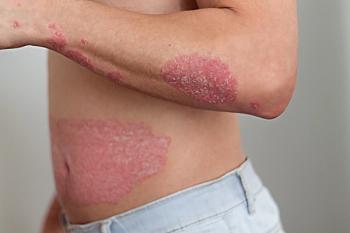
Joel Gelfand, MD, explained how body surface area on patients with psoriasis plays a pivotal role in cardiovascular outcomes.

Daniel Siegel, MD, shared strategies to manage surgery challenges, especially bleeding, to ensure a smooth experience for patients.

David Fisher, MD, PhD, shared pearls on fundamental biology of hair follicles, the dynamics of melanocyte stem cells, and the impact of stress on hair pigmentation.

Discover the evolving landscape of lupus treatment, from the importance of monitoring vitamin D levels to advancements in emerging therapies targeting type 1 interferon and plasmacytoid dendritic cells.

A poster presentation explored the transformative impact of integrating clinical pharmacists into an outpatient dermatology clinic, emphasizing collaborative efforts to enhance patient care and improve outcomes in biologic therapy.

AI's transformative impact on medicine, explored by Ryan Stidham, MD, reveals potential applications in dermatology, emphasizing caution, ethical considerations, and the need for collaboration across specialties.

Investigators revealed the development of a non-invasive molecular test utilizing gene expression differences in skin diseases such as atopic dermatitis, psoriasis, and mycosis fungoides, with the potential to accurately diagnose and identify super-responders to targeted systemic therapies.

Alice Gottlieb, MD, PhD, put a spotlight on recent studies and the current psoriasis treatment armamentarium for dermatology clinicians to consider.

Susan Taylor, MD, provided insight into epidemiology, patient quality of life, clinical presentation, therapies, and more at Masterclasses in Dermatology.

Peter Lio, MD, shared alternative medicine approaches and resources that dermatologists and patients can utilize for various skin conditions.

Learn what makes the Masterclasses in Dermatology conference a unique educational opportunity, and take a quick poll to tell us what you want to learn.
A discussion among roundtable participants revolved around the importance of effective communication, the impact of prolonged use of topical steroids, and the need for trust building in recommending novel treatment options.

Exposure led to an increase in total plasma IgE levels but reduced epidermal thickening, mast cell number, and plasma histamine levels in the early stages of AD.