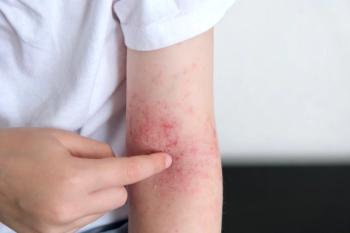
Christophe Piketty discusses 3-year ARCADIA data demonstrating sustained efficacy and long-term safety of nemolizumab in atopic dermatitis.
Mark Lebwohl, MD, shares his Winter Clinical Miami 2026 highlights, including oral psoriasis peptides, atopic dermatitis advances, GLP-1 combos, and more.
In this interview with Dermatology Times, Mark Lebwohl, MD, Dean for Clinical Therapeutics at the Icahn School of Medicine at Mount Sinai and Chairman Emeritus of the Kimberly and Eric J. Waldman Department of Dermatology, highlighted major therapeutic advances discussed in his “Latest and Greatest in Psoriasis” session at
Lebwohl emphasized the rapid expansion of “superb” oral and biologic options for psoriasis. Among recently introduced therapies, he discussed the 75-mg extended-release formulation of apremilast, designed to optimize dosing convenience. A central focus of his presentation, however, was icotrokinra, an investigational oral peptide that has demonstrated high efficacy in psoriasis and represents a potentially transformative non-biologic option. He also highlighted emerging TYK2 inhibitors, including zasocitinib, supported by encouraging press release data and expected to further expand the targeted oral treatment landscape within the next year.
Combination strategies are also generating enthusiasm. Lebwohl referenced striking early data evaluating the dual GIP/GLP-1 receptor agonist tirzepatide in combination with the IL-17A inhibitor ixekizumab, with “off the chart” reports of exceptionally high rates of complete skin clearance (PASI 100). He also previewed pipeline developments in psoriatic arthritis, including sonelokimab, and a long-acting IL-23 inhibitor variant related to risankizumab that may permit dosing intervals as infrequent as every 6 to 12 months.
Beyond psoriasis, Lebwohl described atopic dermatitis as another area of explosive growth. He credited
“Our department atMount Sinai has really been at the forefront of developing these new treatments for atopic dermatitis,” Lebwohl stated. “But I think all those diseases will be well treated in the coming decade.”
Looking ahead, Lebwohl expressed optimism that continued translational research will yield increasingly precise, highly effective therapies across inflammatory dermatologic diseases. With expanding biologic classes, oral targeted agents, and innovative combination approaches, he anticipates that treatment outcomes in atopic dermatitis and related conditions may soon parallel the dramatic progress already achieved in psoriasis.
Reference
1. Lebwohl M. Latest and Greatest in Psoriasis. Presented at: 2026 Winter Clinical Miami Dermatology Conference; February 27-March 1, 2026; Aventura, FL.