

Feature|Articles|November 19, 2025
The Dermatology Clinician's Role in Detecting Intimate Partner Violence

Listen
0:00 / 0:00
Key Takeaways
- Dermatology NPs can identify IPV through signs like unusual bruising and inflammatory conditions, emphasizing the importance of sensitive communication and resource provision.
- Accurate documentation of IPV findings should focus on factual descriptions, respecting patient privacy and adhering to legal obligations.
Stacey Swinehart, DNP, FNP-BC, DCNP, CNL, shares key takeaways for clinicians from the SDNP's recent webinar on detecting intimate partner violence among patients.
Advertisement
The
In a recent conversation with Dermatology Times, Swinehart, a dual board-certified family and dermatology nurse practitioner at Waccamaw Dermatology in Myrtle Beach, South Carolina, discussed key takeaways from the webinar, including how to interpret potential signs of intimate partner violence (IPV), how to initiate difficult but safe conversations, and the role dermatology clinicians play in spotting IPV among their patients.
Q: What dermatologic presentations or patterns should raise the strongest suspicion for possible IPV?
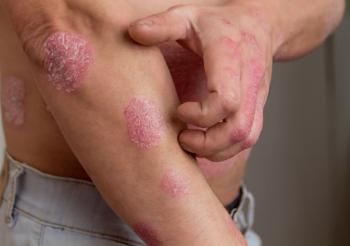
Swinehart: There is no one sign or presentation that gives you a definitive diagnosis of intimate partner violence. IPV abuse spans not only physical abuse but also emotional, financial, sexual, and technological abuse, all of which have implications on an individual’s overall health and well-being. Although the physical abuse of IPV can be displayed on the skin, including bite marks, burns, hand prints, and bruises on not commonly damaged areas (ie, ears, neck, back), it can also present as withholding medications and withholding medical care. Also, the immense stress on a victim/survivor can present as difficult-to-treat inflammatory conditions (ie, eczema, psoriasis, HS). The signs and symptoms often include a combination of your interview questions, physical exam findings, and patient rapport (patient disclosure).
Q: How do you recommend initiating a sensitive conversation with a patient when the dermatologic findings suggest potential IPV, especially in a busy clinic setting?
Swinehart: Initiating a sensitive conversation with a patient whom you suspect is a victim of IPV can be really difficult. It is important to first review your physical exam findings that are pertinent to the reason the patient came in to see you, to begin with. Leading with empathy, you can then bring up the facts of the physical exam findings you suspect to be related to violence (bite marks, hand prints, burns, etc) and that these findings can be concerning for intentional violence. Inform them that you want to ensure their safety and provide available resources if they desire them.
Then allow room for the patient to respond. Remember that health care providers are to be a place of safety for patients, but their previous experiences may have made them feel otherwise. From there, you follow the patient’s lead within the parameters of your state's mandated reporting guidelines. It never feels good to have a patient leave when you suspect they are in danger, but remember a victim/survivor is the expert in their own safety, and now you have opened the door for communication, resources, and most importantly, validation. It always seems we have busier clinic days than not. Sometimes you have to spend 30 minutes with one patient and 10 with the next based on the needs of those patients, that day, and in the end, it all evens out.
Q: When IPV is suspected, what are the best practices for documentation in the medical record to protect the patient’s safety and privacy while maintaining clinical accuracy?
Swinehart: Make sure to document your physical findings with just the facts; you do not want to place any assumptions or draw conclusions in the medical record. All documentation in the chart should be descriptions and locations of the physical findings that you see. Keep in mind HIPAA regulations and who the patient has allowed to see their record. It is also important to inform the patient that it is your obligation and duty to document findings and what they say in the medical record, as it is a legal document. The patient (victim/survivor) is the expert on their own safety. It is your job as a medical expert to provide the facts and the resources.
Q: What role can dermatology NPs play in coordinating with social workers, primary care, or emergency services once IPV is identified?
Swinehart: Dermatology nurse practitioners play an integral role in helping to identify patterns and start the conversation with patients about available resources. That is why training that defines and depicts IPV is so important to medical training. Like all of our patients, regardless of their medical condition, we are partnering with them to build a care plan that best fits their needs and helps them achieve their goals. The provider needs to be prepared and aware of all the resources at their disposal and how to obtain them, and then present them to the patient. The provider needs to be prepared to meet the victim/survivor where they are at. This allows the victim/survivor to determine which of them would work best for their situation.
Q: For dermatology practices that want to better prepare their staff to identify and respond to IPV, what specific training modules, screening tools, or resource networks would you recommend implementing first?
Swinehart: Being a part of professional organizations that recognize and sponsor CMEs regarding IPV, such as SDNP, is essential! It is important to supplement our nursing/medical training (which often do not include IPV training) with additional resources that can be found in the community. Check your state and local IPV shelters for training opportunities. I was fortunate enough to take a 60-hour Domestic and Sexual Violence certification through my local shelter, which was required in the state of Illinois for police officers, health care providers, and volunteers who work with victims/survivors.
The nuances of IPV reporting are complicated, and partnering with local and national IPV organizations is essential. Most organizations have already implemented screening questionnaires completed before a patient sees the provider; if your office has not implemented this screening, that is a great place to start. It is important that if those questions are implemented to make sure to also have a plan and resources readily available when a patient inevitably triggers the screening.
Q: What are 3 key takeaways from your session that you want colleagues to take back to their practices?
- IPV is prevalent and a major public health concern we need to be aware of and prepared for, especially in dermatology.
- A positive and supportive interaction with a healthcare provider can make victims/survivors feel validated, safe, and empowered.
- Know your resources, both national and local! Let the experts in IPV help us help our patients.
Reference
- Webinars. Society of Dermatology Nurse Practitioners. Accessed November 19, 2025.
https://dermnp.org/education/#explorewebinars
Advertisement
Related Content
Advertisement



Advertisement
Advertisement
Trending on Dermatology Times
1
How Emerging Androgenetic Alopecia Therapies Target DHT at the Scalp Level
2
Tildrakizumab Partially Reverses Epigenetic Aging in Psoriasis, Pilot Study Shows
3
Field-Directed Therapy Favored for Actinic Keratosis Management
4
Diet Linked to Improved Chronic Idiopathic Urticaria Control
5