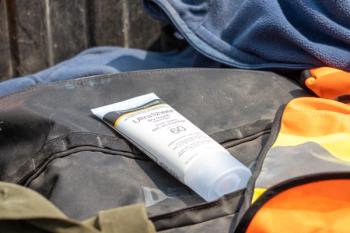
Two new Neutrogena facial sunscreens incorporate bemotrizinol, the first new sunscreen active ingredient added to the US OTC monograph in decades.
Oversight and endorsement from trusted clinicians were consistent patient requirements for integrating both AI and telemedicine.
Artificial intelligence (AI) and telemedicine are increasingly reshaping the delivery of dermatologic care. While both technologies offer unique advantages—AI in diagnostic efficiency and telemedicine in accessibility—successful implementation requires careful attention to patient perspectives.1,2 A recent narrative review by McRae et al synthesized findings from 48 studies published between 2009 and 2024 to assess how patients perceive these modalities and what conditions are necessary for their acceptance in clinical practice.3
"Both technologies were perceived to improve accessibility and diagnostic efficiency, though patients expressed concerns about AI's limited communication abilities and teledermatology's limits in performing physical examinations," researchers behind the study wrote. "Primary adoption barriers for these modalities included technological limitations and trust concerns, with patients emphasizing the need for dermatologist oversight, transparency, and adequate educational resources for successful integration."
Willingness to Use and Preferences
The review found that patients consistently expressed hesitancy toward AI as a standalone diagnostic tool. In surveys, most individuals preferred clinicians’ judgments over AI, particularly in suspected skin cancer cases, with up to 87% favoring a physician’s diagnosis. However, acceptance increased when AI was positioned as a decision-support tool that complemented clinician oversight, with many patients comfortable using AI for triage or image-based differential diagnoses.
In contrast, teledermatology acceptance was more variable and influenced by age, gender, prior technology exposure, and clinical context. Some studies reported high satisfaction among older veterans or patients with chronic conditions, while others found reluctance among younger populations who cited privacy or rapport concerns. Condition-specific factors also played a role: patients with acne reported strong satisfaction with virtual care, whereas those facing possible malignancies strongly preferred in-person visits.
Perceived Benefits
Patients recognized several potential benefits of AI, including quicker diagnoses, earlier detection of malignancies, and improved triage efficiency. Surveys also highlighted optimism around reduced health care costs and increased access, particularly for underserved populations. Importantly, many patients expressed willingness to share images for AI training, although comfort decreased for sensitive or identifiable body sites.
Telemedicine’s benefits were largely logistical. Patients valued reduced travel and parking costs, shorter wait times, and the ability to receive care without disrupting work or school commitments. The review found teledermatology also demonstrated utility in monitoring chronic conditions such as psoriasis and in providing reassurance between in-office visits. Some patients valued added family involvement and decreased infection risk, particularly during the COVID-19 pandemic.
Perceived Risks and Barriers
For AI, the most prominent concerns related to loss of human interaction, limited communication capacity, and potential misdiagnosis due to inadequate training datasets. Data privacy was also a recurring theme, with patients expressing greater trust in AI tools developed by academic institutions compared to commercial entities. Notably, the review stated the acceptance of AI-only diagnoses required patients to believe the technology was significantly more accurate than clinicians—on average, at least 12.9% more.
Telemedicine’s primary perceived risks centered on diagnostic accuracy and quality of examinations. Patients worried that clinicians might miss key findings through virtual platforms, especially for comprehensive skin checks. Technical limitations such as poor connectivity, difficulty capturing images of hard-to-reach areas, and low digital literacy also created barriers. Privacy concerns about sharing images online were noted, particularly when platforms lacked transparency.
Conditions for Adoption
Across both technologies, the review found patients emphasized that clinician involvement is essential for acceptance. Oversight, endorsement from trusted providers, and regulatory assurance emerged as key factors. For AI, transparent privacy policies, clear explanations of its role, and equitable training datasets that include diverse skin types were considered crucial. For teledermatology, high-quality imaging, troubleshooting resources, pre-appointment education, and reliable follow-up systems were highlighted as necessary conditions for sustained use.
Clinical Implications
The review underscores that AI and telemedicine offer complementary strengths—AI can augment diagnostic accuracy, while telemedicine provides greater accessibility. When integrated thoughtfully, these modalities may help address one another’s limitations: AI could support diagnostic rigor in virtual visits, while telemedicine provides the human interaction and continuity patients expect.
For clinicians, successful implementation will depend on striking a balance between innovation and human connection. Patients appear willing to embrace these tools when they enhance, rather than replace, clinician involvement. Ensuring transparency, addressing privacy and equity concerns, and tailoring platforms to patient needs will be critical to achieving patient-centered adoption.
References