New dermatology research explores hidden steroids in OTC products, infant eczema, melanoma prevention, cutaneous lymphoma, and pediatric AD.
This review of the latest dermatological studies includes insights on gut dysbiosis in inflammatory conditions, air pollution and vitiligo risk, emollient use in AD patients, and more.
This review examined emerging evidence linking gut microbiome imbalance to inflammatory skin diseases, with a focus on potential implications for hidradenitis suppurativa (HS). Drawing on data from atopic dermatitis, psoriasis, and rosacea, the authors describe how gut dysbiosis may contribute to chronic cutaneous inflammation through disruption of the gut–skin axis, altered immune signaling, impaired intestinal barrier function, and changes in microbial metabolites. Although evidence in HS remains limited, early studies suggest patients may exhibit distinct gut microbial profiles that could influence disease activity and systemic inflammation. The review also highlights shared inflammatory pathways among these conditions, suggesting insights from better-studied diseases may inform future HS research. The findings reinforce the importance of considering the systemic nature of inflammatory skin diseases while recognizing that microbiome-targeted interventions—including dietary modification, probiotics, prebiotics, and fecal microbiota transplantation—remain investigational in HS. Additional longitudinal and mechanistic studies are needed before these approaches can be incorporated into routine clinical practice.1
This retrospective cohort study evaluated whether combining concentrated growth factor (CGF) with photorejuvenation could improve outcomes in patients with sensitive skin. Researchers found that the combination approach produced greater improvements in skin barrier function and clinical symptoms than photorejuvenation alone. Patients receiving CGF plus photorejuvenation experienced reductions in erythema, burning, dryness, and other signs of skin sensitivity, along with improvements in skin hydration and barrier integrity. The combined treatment was also associated with higher overall patient satisfaction while maintaining a favorable safety profile, with no serious adverse events reported. Although the findings suggest that CGF may enhance the effects of photorejuvenation by supporting tissue repair and improving skin barrier recovery, the authors note that the study's retrospective design limits the strength of the conclusions. These results highlight CGF as a potential adjunctive option for patients with sensitive skin undergoing photorejuvenation, while underscoring the need for larger prospective, randomized studies to confirm efficacy, durability of response, and optimal treatment protocols.2
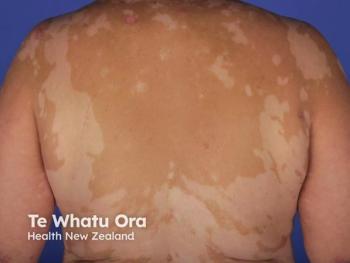
A large nationwide cohort study from Taiwan found that long-term exposure to multiple air pollutants was associated with an increased risk of developing vitiligo, supporting a potential role for environmental factors in disease pathogenesis. Researchers analyzed data from 748,388 individuals enrolled in Taiwan's Longitudinal Health Insurance Database between 2003 and 2013, linking 10-year average exposure levels of sulfur dioxide (SO₂), carbon monoxide (CO), particulate matter (PM₁₀ and PM₂.₅), nitrogen oxides (NOx), nitric oxide (NO), and nitrogen dioxide (NO₂) with incident vitiligo cases. During follow-up, 932 participants developed vitiligo, corresponding to an incidence of 12.7 cases per 100,000 person-years. Each standard deviation increase in pollutant exposure was associated with significantly higher vitiligo risk, with the strongest associations observed for CO and PM₂.₅, each nearly doubling risk. The findings demonstrated a dose-response relationship, suggesting that chronic air pollution exposure may contribute to vitiligo development through oxidative stress mechanisms. While the observational design cannot establish causality, the results highlight environmental pollution as a potential modifiable risk factor warranting further investigation.3
A comparative split-face study suggests that combining microneedling with topical non-crosslinked hyaluronic acid (HA) and vitamin C may provide greater improvement in atrophic acne scars than microneedling with platelet-rich plasma (PRP). The study enrolled 34 patients aged 17 to 43 years, who underwent four treatment sessions spaced three weeks apart. PRP was applied to the right side of the face, while HA plus vitamin C was applied to the left following Dermapen microneedling. Both treatment approaches significantly improved scar severity based on Goodman and Baron grading. However, the HA/vitamin C side achieved superior outcomes, with 52.9% of patients demonstrating excellent improvement on the Quartile Grading Scale compared with 14.7% on the PRP-treated side. Patient satisfaction was high with both approaches, and adverse effects were limited to transient erythema and edema that resolved within two to three days. Although limited by its small sample size and short follow-up, the findings suggest that microneedling combined with topical HA and vitamin C may be an effective, well-tolerated option for improving atrophic acne scars and warrants further investigation in larger, controlled studies.4
A recent retrospective cohort study evaluated whether adding concentrated growth factor (CGF) to photorejuvenation could improve outcomes for patients with sensitive skin. Investigators compared patients treated with combined CGF and photorejuvenation versus photorejuvenation alone, assessing changes in skin barrier function, erythema, hydration, and patient-reported symptoms. The combination therapy demonstrated greater improvements in skin quality, with reductions in erythema and sensitivity alongside enhanced skin hydration and barrier function compared with photorejuvenation alone. Patients receiving CGF also reported higher overall satisfaction, and the combined approach was well tolerated without significant safety concerns. The findings suggest that incorporating autologous CGF with light-based rejuvenation procedures may offer additional benefits for patients with sensitive skin by supporting barrier repair while improving cosmetic outcomes. Although the results are encouraging, the study's retrospective design limits the strength of the evidence. Larger prospective, randomized studies are needed to confirm efficacy, establish standardized treatment protocols, and determine the durability of clinical improvements.5
References
1. Semaani JMA, Abbas O, Kurban M. Gut Dysbiosis in Inflammatory Skin Diseases: Lessons From Atopic Dermatitis, Psoriasis, and Rosacea With Potential Implications for Hidradenitis Suppurativa. Dermatologic Therapy. 2026, 5815717, 9 pages, 2026. doi:10.1155/dth/5815717
2. Yang L, Yang W, Zhang X, Wang Y. Efficacy and Safety Analysis of Concentrated Growth Factor Combined with Photorejuvenation for Sensitive Skin Patients: A Retrospective Cohort Study. Clinical, Cosmetic and Investigational Dermatology, 19. doi:10.2147/CCID.S600948
3. Liu Y-C, Lo Y-C, Shih Y-H, et al. Association between exposure to air pollution and the risk of vitiligo: a nationwide cohort study. JDDG: Journal der Deutschen Dermatologischen Gesellschaft. 2026; 1-12. doi:10.1111/ddg.70349
4. Samir MA, Amer A, Sharobime A, Mohamed A, Ehab R. Platelet-Rich Plasma Versus Hyaluronic Acid and Vitamin C With Microneedling in the Treatment of Atrophic Acne Scars: A Comparative Study. Journal of Cosmetic Dermatology25, no. 7 (2026): e71050, doi:10.1111/jocd.71050.
5. Kaķe M, Upeniece I. A Questionnaire Survey Study in one Clinical Center: Skin Emollient–Use Patterns Among Patients With Atopic Dermatitis of Varying Severity. Dermatologic Therapy. 2026, 2117348, 9 pages, 2026. doi:10.1155/dth/2117348