

Opinion|Videos|August 27, 2025
Impact of Newer Acne Treatments on Clinical Practice
Author(s)Christopher G. Bunick, MD, PhD
An expert discusses recent innovations in acne treatment—including the first narrow-spectrum oral antibiotic, an advanced triple-combination topical, and emerging procedural options—highlighting their roles in personalized care, antibiotic stewardship, and achieving long-term therapeutic success.
Advertisement
Episodes in this series
One of the most impactful recent developments in acne treatment has been the introduction of a narrow-spectrum oral antibiotic, which has significantly influenced prescribing practices. Its uniqueness lies not just in the drug itself, but in the fact that it's currently the only approved agent of its kind for acne. This specificity supports antibiotic stewardship efforts by reducing the risk of microbial resistance and minimizing disruption to the gut microbiome. While some argue that oral antibiotics can be avoided entirely in favor of isotretinoin, spironolactone, or topicals, not every patient responds well to these alternatives. The diverse presentations of acne demand a flexible treatment approach tailored to individual needs.
In the topical treatment space, a fixed-dose triple combination of adapalene, benzoyl peroxide, and clindamycin has emerged as a notable advancement. While these ingredients have been used individually or layered together, the key difference with the new product lies in the vehicle formulation, which allows all 3 active ingredients to work synergistically. Clinical trial data show that this formulation has achieved the most effective outcomes seen in topical acne treatment to date. It has also proven useful in managing emerging challenges, such as acne induced by newer systemic therapies such as Janus kinase inhibitors, offering a topical alternative that allows patients to stay on their primary treatment.
Advances in procedural dermatology have also begun to play a more prominent role in acne care, especially for addressing long-term effects such as scarring, hyperpigmentation, and postinflammatory erythema. New laser technologies targeting sebaceous glands and resurfacing options are expanding the treatment toolbox. Although not all dermatology practices offer these procedures, staying informed allows clinicians to guide patients toward the appropriate providers. This integration of medicinal and aesthetic therapies is helping close the gap in comprehensive acne care, offering better long-term outcomes for patients.
Advertisement
Related to this article

A retrospective claims analysis of 2897 matched pairs found hazard ratios of 0.48 to 0.67 for new atopic disease with dupilumab vs systemic corticosteroids in children.
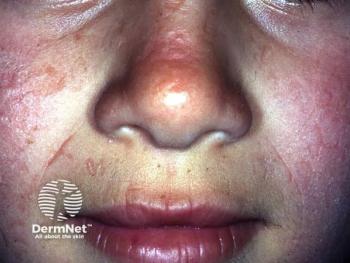
Disc Medicine reports the phase 3 APOLLO trial met all primary and secondary end points, with whole-blood PPIX reduced 41.4% vs placebo and an NDA resubmission planned by end of 2026.

Castor oil has become a popular social media remedy for thicker, longer hair, but evidence supporting its ability to stimulate hair growth remains limited.
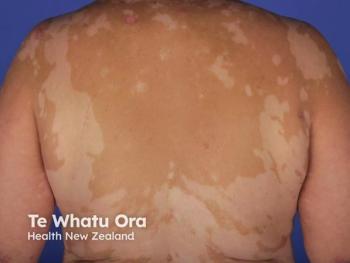
The FDA clearance allows Edesa to expand an ongoing placebo-controlled study of the CXCL10 antibody EB06 to US sites, with topline data expected in the fourth quarter of 2027.

The novel oral helicase-primase inhibitor demonstrated significantly higher rates of complete lesion healing compared with investigator’s choice treatment in the phase 3 PRIOH-1 trial.
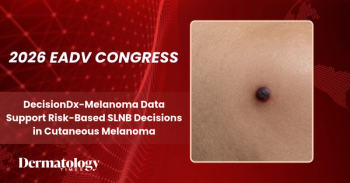
Prospective data suggest DecisionDx-Melanoma may help refine SLNB decisions and identify recurrence risk beyond conventional staging.

Falk G. Bechara, MD, discusses long-term tunnel control, structural damage, and the evolving role of biologics and surgery in HS care.
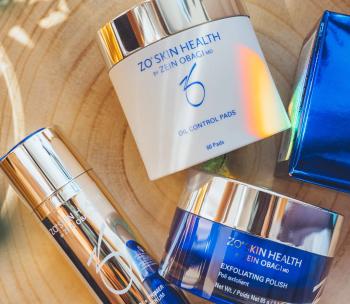
Galderma has agreed to acquire ZO Skin Health for $1.5 billion, adding the physician-dispensed skincare brand to a portfolio that already includes Cetaphil and Alastin.
Advertisement
Advertisement
Trending on Dermatology Times
1
Social Media Mythbusters: Can Castor Oil Really Grow Hair?
2
Bitopertin Meets All End Points in Phase 3 APOLLO Trial for EPP
3
EADV 2026 Atopic Dermatitis Highlights: Tilrekimig, RAC2 Inhibition, and Level Up Data
4
FDA Approves Pritelivir for Refractory Mucocutaneous HSV in Immunocompromised Adults
5