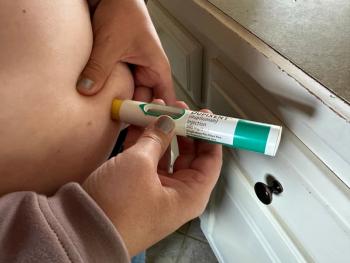
EADV 2026 data highlight dupilumab’s effects on growth, quality of life, disease control, and itch across multiple dermatologic diseases.

Mary W. Chang, MD, discusses the expanded FDA approval of ruxolitinib cream for children with atopic dermatitis and its role in addressing treatment gaps, safety, and real-world use.
“I think that this topic is very important about atopic dermatitis in children. The itch, rash, suffering, and impact on quality of life are underestimated by the medical community and the public at large,” said Mary W. Chang, MD, in an interview with Dermatology Times.
Chang, a pediatric dermatologist and associate professor of dermatology and pediatrics at the University of Connecticut and UConn Health in Farmington, Connecticut, and a member of the Society for Pediatric Dermatology, highlighted the significance of the
Chang noted that moderate pediatric AD represents a particularly difficult category to manage. “They have a lot of itch, they have a lot of rash and disfigurement… but they’re not necessarily severe enough that the parents are willing to go with a systemic agent for treatment,” she explained. These patients often cycle through topical corticosteroids and calcineurin inhibitors, yet limitations such as steroid phobia, tachyphylaxis, black box warnings, and stinging or burning adverse effects restrict their utility.
The availability of topical ruxolitinib in younger children provides an additional, steroid-sparing option. “Now, with this new agent approved for the young children, we’ll have another option that we can use in combination or in rotational strategies,” Chang said. She highlighted the utility of ruxolitinib for sensitive areas, such as the face, where safe alternatives are limited. She also anticipates its value in patients already frustrated by prior topical therapies.
When asked about safety, Chang emphasized that the data so far have been reassuring. “There is not systemic absorption with topical use, so ruxolitinib, when used properly,” she said, differentiating it from systemic JAK inhibitors. Still, she stressed the importance of ensuring families adhere to label guidance on dosing amounts, especially until more post-marketing data becomes available.
Beyond monotherapy, Chang envisions a role for ruxolitinib alongside systemic biologics. Although some children achieve complete clearance on agents such as dupilumab (Dupixent; Sanofi and Regeneron), “most do not completely clear, and their eczema may come back when they’re due for their shot.” In such cases, ruxolitinib could help manage breakthrough flares or focal areas of disease activity.
Looking ahead, Chang is interested in real-world data assessing local tolerability, gram-per-week dosing adequacy, and insurance coverage and access. She also emphasized the broader context of pediatric AD, which is often underestimated in severity. “These children are really suffering a lot. They’re not sleeping well. It’s impacting the whole family. Parents are missing work,” she stressed. For this reason, she believes the availability of newer topical agents such as ruxolitinib represents an important advance not only in skin clearance but also in quality of life for pediatric patients and their families.
Disclosure
Chang has no conflicts of interest to report.
Reference