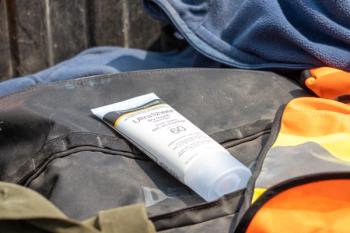
Two new Neutrogena facial sunscreens incorporate bemotrizinol, the first new sunscreen active ingredient added to the US OTC monograph in decades.
Johnson & Johnson's nipocalimab shows promise in reducing systemic lupus erythematosus activity, paving the way for a phase 3 development program.
Johnson & Johnson has announced positive top-line results from the phase 2b JASMINE study (
The JASMINE study was a 52-week, multicenter, randomized, double-blind, placebo-controlled, parallel-group, dose-ranging trial that enrolled 228 adult patients with active SLE. The primary end point was the proportion of patients achieving a Systemic Lupus Erythematosus Responder Index 4 (SRI-4) response at week 24 compared with placebo. SRI-4 is a composite outcome measure incorporating improvement in disease activity as assessed by the SELENA-SLEDAI, no significant worsening in Physician Global Assessment, and no new severe disease activity per the BILAG-2004 index.
Nipocalimab achieved statistically significant improvement vs placebo on the primary SRI-4 end point, confirming meaningful reductions in global disease activity. In addition, the study met key secondary and exploratory end points, including measures suggestive of steroid-sparing potential. This is of particular clinical importance, as long-term glucocorticoid exposure remains a major contributor to morbidity in SLE, with well-recognized risks including infection, osteoporosis, cardiovascular disease, metabolic complications, and skin atrophy. This therapeutic approach that reduces disease activity while enabling steroid tapering represents a long-standing unmet need in lupus care. From a safety perspective, nipocalimab demonstrated a tolerability profile consistent with prior phase 2 studies, with minimal cumulative toxicity and no new safety signals identified.
Mechanistically, nipocalimab is a high-affinity monoclonal antibody designed to block FcRn, a receptor responsible for recycling immunoglobulin G (IgG) and prolonging its half-life. By inhibiting FcRn, nipocalimab reduces circulating IgG levels, including pathogenic autoantibodies that play a central role in SLE pathogenesis. Importantly, this approach is considered immunoselective, as it targets IgG without broadly suppressing other components of the innate or adaptive immune system. This differentiates FcRn blockade from many existing immunosuppressive therapies and aligns with the goal of reducing autoimmune activity while preserving host defense.
SLE is a chronic, autoantibody-driven autoimmune disease characterized by immune-mediated inflammation and tissue damage affecting multiple organ systems, including the skin, joints, kidneys, cardiovascular system, and central nervous system. Cutaneous manifestations, such as photosensitivity, discoid lesions, and the classic malar “butterfly” rash, are among the most visible features of the disease and frequently contribute to morbidity and impaired quality of life. Globally, SLE affects an estimated 3 to 5 million patients, including approximately 450,000 in the United States, with a marked female predominance and typical onset during reproductive years.2
"…SLE is a serious autoantibody-driven disease that can impact multiple organ systems, significantly reducing health-related quality of life for millions of people," Leonard L. Dragone, MD, PhD, disease area leader of autoantibody and rheumatology at Johnson & Johnson Innovative Medicine, said in a statement. "Many people living with SLE also face complications associated with long-term steroid use, underscoring the limitations of current treatment approaches and the critical need for immunoselective therapies that are safe, tolerable, and capable of reducing disease activity while preserving immune function."1
Johnson & Johnson has indicated that these findings support initiation of a phase 3 program, which will further evaluate efficacy, durability of response, steroid-sparing effects, and long-term safety in a larger patient population. Full efficacy and safety data from the JASMINE trial are expected to be presented at a future medical congress.
References
1. Johnson & Johnson unveils new data showing nipocalimab is the first and only investigational FcRn blocker with potential to reduce systemic lupus erythematosus (SLE) activity in a phase 2 study. News release. Johnson & Johnson. January 6, 2026. Accessed January 7, 2026.
2. Wang Y, Hester LL, Lofland J, et al. Update on the prevalence of diagnosed systemic lupus erythematosus (SLE) by major health insurance types in the US in 2016. BMC Res Notes. 2022;15(1):5.