Up to 91% of patients reached EASI-75 and up to 67% reached IGA 0/1 at week 152, with no new safety signals, according to Galderma's EADV 2026 data.
Day 1 of EADV 2026 brought new data across atopic dermatitis, cutaneous lupus, skin cancer, AI, climate-related skin disease, and more.
The 2026 European Academy of Dermatology and Venereology (
From new targeted therapies in inflammatory skin disease and cutaneous lupus to intralesional treatment for basal cell carcinoma (BCC), Day 1 highlighted a rapidly expanding therapeutic landscape. Research also moved beyond individual treatments, examining
Here are some of the key developments from the opening day of EADV 2026.
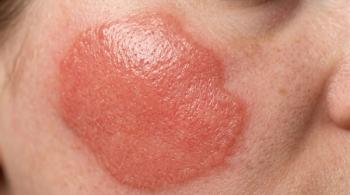
Late-breaking phase 2 data demonstrated significant improvements with daxdilimab in patients with moderate to severe, treatment-refractory discoid lupus erythematosus (DLE).
The investigational monoclonal antibody targets immunoglobulin-like transcript 7 (ILT7), which is selectively expressed on
At week 24, both evaluated doses of daxdilimab produced significantly greater improvements in Cutaneous Lupus Erythematosus Disease Area and Severity Index–Activity (CLASI-A) scores compared with placebo. CLASI-50 responses were achieved by approximately 62% of patients in both treatment groups compared with 23.7% receiving placebo.
The findings provide further support for targeting plasmacytoid dendritic cells in DLE and warrant continued investigation of daxdilimab in a disease where treatment options remain limited.
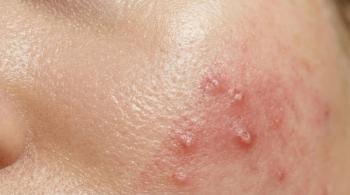
Atopic dermatitis (AD) was another major focus of the opening day's late-breaking research.
Results from the phase 2 APEX Part B trial showed that all 3 evaluated doses of
The mid-dose group demonstrated an EASI-75 response rate of 65.9%, compared with 23.4% among patients receiving placebo.
The findings add another potential candidate to an increasingly competitive AD treatment landscape and reinforce continued interest in targeting IL-13 to achieve meaningful disease control.
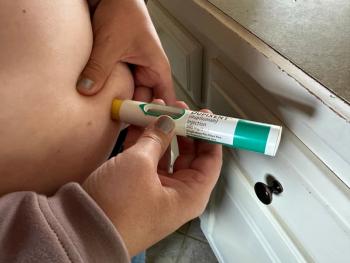
A broad collection of data presented at EADV 2026 further explored dupilumab across multiple type 2 inflammatory diseases.
Among the findings were
Additional real-world evidence in
Together, the findings emphasize an increasing focus on outcomes beyond traditional measures of skin clearance, including sleep, itch, growth, productivity, and the broader impact of chronic dermatologic disease on patients and caregivers.
Late-breaking results from the phase 2b SPOTLIGHT-204 trial highlighted a potential new approach to treating resectable BCC.
Intralesional BO-112 achieved the study's primary end point, with 61% of patients responding to treatment.
The investigational approach is designed to stimulate local antitumor immunity through direct administration into the tumor. The findings raise the possibility of another nonsurgical strategy for selected patients with BCC and provide support for continued investigation of intralesional immunotherapy in nonmelanoma skin cancer.
One of Day 1's broadest analyses examined the growing relationship between
The international SkinObservatory study included data from 136 countries and found that more than 40% reported climate-related changes in the prevalence and/or severity of skin disease.
Lower-income countries appeared to be disproportionately affected, underscoring the intersection between climate change, dermatologic disease, and disparities in access to skin health care.
Investigators highlighted rising temperatures, extreme weather, changing rainfall patterns, migration, and ecosystem disruption as factors capable of influencing the incidence or severity of dermatologic conditions.
Technology and digital health also emerged as themes during the opening of the congress.
Research presented at EADV suggested that autonomous AI could potentially create additional capacity within urgent skin cancer pathways by supporting clinical workflows and helping address increasing demand for dermatology services.
At the same time, another study highlighted the challenges clinicians face as patients increasingly obtain skin care information online. An analysis of viral Korean skin care and “glass skin” content on TikTok found
Together, the findings illustrate 2 sides of dermatology's rapidly changing digital environment: the potential for technology to improve clinical capacity while misinformation on consumer platforms creates new challenges for patient education.
Day 1 set the tone for a congress centered on both therapeutic innovation and the broader forces reshaping dermatologic practice.
With additional clinical trial readouts, expert discussions, and research spanning inflammatory disease, skin cancer, hair disorders, pigmentary disease, AI, and precision medicine still ahead, Dermatology Times will continue providing on-site coverage from Vienna throughout EADV 2026.
References