Q. Does the use of nail polish promote splitting of the nail plate?A. Lamellar splitting of the nail plate is a common concern of women who consult a dermatologist for treatment of nail conditions. This lamellar splitting is known as onychoschizia and is due to nail-plate dehydration. The normal water content of the nail is somewhat controversial, since it depends on where the measurement is taken. As might be expected, the newly grown proximal nail has a higher water content than the nail-free edge, since the nail at the free edge is older and has been exposed to more solvents, surfactants, and water. Once the water has been removed from the nail plate, it loses its flexibility and will split. This water cannot be permanently restored, which points to the importance of wearing gloves to prevent nail-plate damage.
The FDA approved therapies for melanoma, dermatomyositis, superficial basal cell carcinoma, and adolescent alopecia areata, while TYK2 inhibitors and rare disease filings advanced toward 2027 decisions.
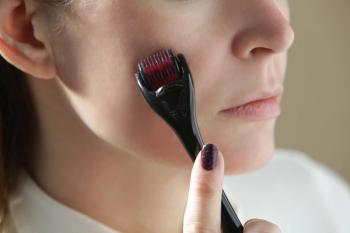
Can at-home dermarollers give the same results as in-office microneedling or is that just a myth? Read more about the latest social media trend and learn how to counsel your patients in the clinic.
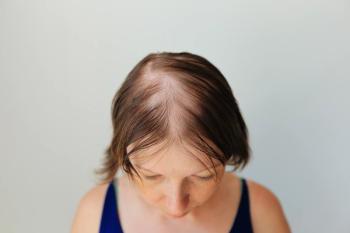
The FDA approval, based on 36-week data from the phase 3 BRAVE-AA-PEDS trial, extends baricitinib access to patients as young as 12 years old with severe alopecia areata.