

Dermatology Times, March 2019 (Vol. 40, No. 3)

New data related to consumer satisfaction trends soon to be released by RealSelf reveals the “Most Worth It” procedures for 2019.

Revance Therapeutics announced in early December that its longacting neuromodulator daxibotulinumtoxinA for Injection RT002 delivered positive results in a phase 3 study for treatment of moderate-to-severe glabellar lines.

Burt's Bees skin care products may be a effective as an adjunct to prescription therapy in the management of rosacea, according to data published in the February issue of Journal of Drugs in Dermatology which was reported at the American Academy of Dermatology Annual Meeting this month.

The University of Miami Dermatology department has received a $10 million endowment from alumnus and philanthropist, Phillip Frost, M.D., and wife, Patricia. The gift will support the advancement of innovative treatments in dermatology within the newly renamed Dr. Phillip Frost Department of Dermatology and Cutaneous Surgery.

Dr. Missy Clifton shares best practices on launching and managing an online cosmeceutical store that is convenient for patients and keeps them coming back for more.

There have been major technological advances in optical imaging techniques over the last decade, but the dermatoscope remains the diagnostic tool of choice for the quick and accurate imaging of pigmented skin lesions. Find out why in this article.

Most dermatologists train in a clinical setting that accepts underinsured patients, but only some physicians continue along this path. Elaine Siegfried, M.D. offers her point of view on the pros and cons of working with this population, and discusses how to maintain a socioeconomically inclusive dermatology practice.

In many ways, 2018 was a banner year for new novel drug approvals with 59 drugs approved by the FDA’s Center for Drug Evaluation and Research (CDER). Learn about the innovative drugs that were approved for dermatological indications in this article.

What is micellar water? And what is the best way to increase skin water content and moisturization? Dr. Zoe Diana Draelos answers these questions and more in this month's Cosmetic Conundrums.

Fractional ablative and nonablative lasers cover a wide variety of indications, but skin tightening results often require adjunctive treatment modalities and postprocedural regimens remain a puzzle, says Susan Van Dyke, M.D.

Chief executive officer of Can-Fite Biopharmaceuticals, Pnina Fishman, Ph.D. discovered why cancer and inflammation can go everywhere in the body, except muscle tissue. Using this knowledge, Can-Fite has developed a promising psoriasis drug, piclidenoson, which is currently in phase 3 clinical trials.

In this month's Legal Eagle column, David J. Goldberg, M.D., J.D., offers his insight on when to settle a malpractice lawsuit outside of court and when to take take it to trial.

Learn how the Food and Drug Administration (FDA) plays a critical role in the oversight of many medical devices used commonly in dermatology.

From lasers to light therapy to non-laser-based thermal tightening, learn each devices' indications, adverse effects and important treatment takeaways.

To help providers have a greater understanding of the efforts of the FDA to ensure all drugs are of pharmaceutical quality, Michael Kopcha, Ph.D., RPh, director of the FDA’s Office of Pharmaceutical Quality presented on the topic during the American Academy of Dermatology’s Annual Meeting in Washington, D.C.
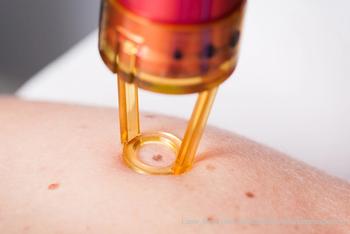
Laura Marquart, M.D., FAAD, medical officer with the FDA’s Center for Devices and Radiological Health (CDRH), reviewed how the FDA approaches, reviews, and approves medical devices integral to dermatologic care at the American Academy of Dermatology’s annual meeting in Washington, D.C. Learn how this process can affect patient care in this article.

In order for a dermatology practice to advance to the next financial level, it is important to identify needed areas of improvement. This is where benchmarking comes into play.

With the recent FDA approval, Jeuveau execs believe they’ve got a brand that could neutralize the existing monopoly.

A recent study suggests that genes such as ERBB2, KIT, FGFR3, and RET might be relevant in the treatment of individual patients with cutaneous melanoma.

The past decade has seen significant advances in the understanding of molecular pathogenesis of skin cancer leading to the development of targeted treatments and immunotherapies that have dramatically improved progression free survival and even overall survival in melanoma, basal cell carcinoma (BCC) and even some rarer cutaneous carcinomas.
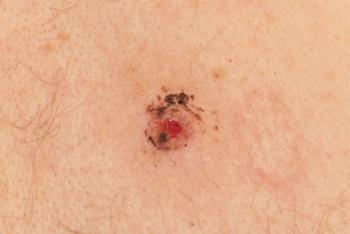
Cell-free circulating DNA (cfDNA) can provide a useful snapshot of the BRAF and NRAS genotype of melanoma patients’ tumor tissue and act as a useful surrogate to assessing tissue biopsies for the markers, a recent study suggests.
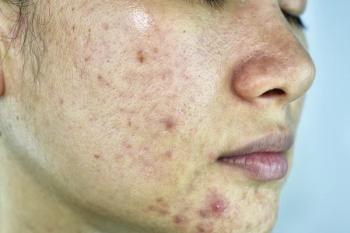
Combined plant-based therapy is more effective for treating mild-to-moderate acne than a synthetic antibiotic

Role of retinoids in acne set to be cemented further with advent of first fourth generation product.

Rather than being fueled by a singular desire to be more physically attractive, patients seeking cosmetic procedures are driven by emotional, physical, social and professional reasons, a JAMA Dermatology study shows.

Long lauded for its ability to reduce the appearance of wrinkles, botulinum toxin is now being considered for reducing scarring.

Observational study shows high heart disease risk in severe and predominantly active atopic eczema.
Advertisement
Advertisement
Trending on Dermatology Times
1
First-in-Class Oral PKM2 Modulator Shows Early Efficacy in Atopic Dermatitis
2
Hidradenitis Suppurativa Claims Data: Sex Parity and Rural Care Gaps
3
JAK Inhibitor Safety in Atopic Dermatitis: Long-Term Epidemiology Data
4
No Observed Skin Lesion Flares After Switching to Upadacitinib in Atopic Dermatitis
5