


In combatting the pandemic, dermatologists must take critical steps to adapt operations while still providing essential patient care and preventing exposure in o ffice settings, experts say.
In combatting the pandemic, dermatologists must take critical steps to adapt operations while still providing essential patient care and preventing exposure in o ffice settings, experts say.

Glynis R. Ablon, M.D., spoke at the 18th annual South Beach Symposium in Miami about why microneedling with radiofrequency is an effective way to combat signs of aging skin. According to Dr. Ablon, benefits include minimal downtime and risk versus other options.
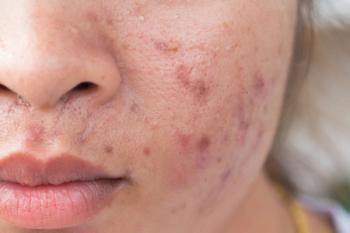
Read more on the variety of new treatment options for acne, with even more awaiting approval.

Read insights from James Q. Del Rosso, D.O., as he discusses antibiotic resistance, isotretinoin relapse, and laboratory monitoring for patients on isotretinoin and spironolactone.

Governments and the scienti fic community are racing to identify new and existing drugs that might help flatten the curve and save lives. Read from experts as they discuss the latest news and research surrounding possible treatments for COVID-19.

Published results from two 12-week, vehicle-controlled phase 3 studies show that a novel topical foam formulation of minocycline 1.5% may be effective in reducing inflammatory lesions.

Recent advances in systemic therapies have led to the development of PD-1 checkpoint inhibitors, which one expert says may represent a paradigm shift in the treatment and management of patients with locally advanced or metastatic cutaneous squamous cell carcinoma (SCC).

Nuogen Pharma’s mission is to deliver the first FDA-approved anti-itch medication for chronic pruritus of unknown origin (CPUO) and other chronic itch conditions.

It is important for clinicians to stay abreast with the latest data coming out of trials and individually consult their hair loss patients accordingly on a case by case basis, says this expert.

Continued research has produced a number of targeted therapies that provide hope for patients with this rare but sometimes deadly form of nonmelanoma skin cancer.

Experts sent a letter to the White House Coronavirus Task Force March 24, outlining concerns about a growing shortage of medications required for managing patients with lupus and rheumatoid arthritis after President Donald Trump said in a March 19 press conference that the anti-malaria drug hydroxychloroquine could treat COVID-19.

As the number of patients infected with COVID-19 continues to rise, several experts are relaying data they say may save lives and change the course of this pandemic. According to Drs. George Martin, Ted Rosen, Sheila Fallon-Friedlander, Albert Yan, and James Treat, recent data provides evidence of the use of HCQ, its dosing, as well as epidemiology insights that will serve all healthcare practitioners in the fight against the novel coronavirus, COVID-19.
The American Academy of Dermatology (AAD) has issued interim recommendations for practitioners to balance the risk of immunosuppression with the risk of disease flare amid COVID-19 pandemic.
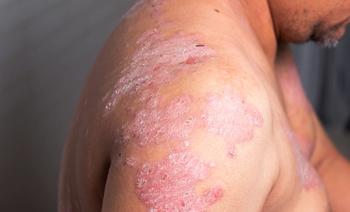
Switching patients with moderate-to-severe plaque psoriasis from one biologic to another is a multifactorial decision and may depend on safety, efficacy or dosing intervals. Ron Vender, M.D., offers insight into how to switch appropriately.
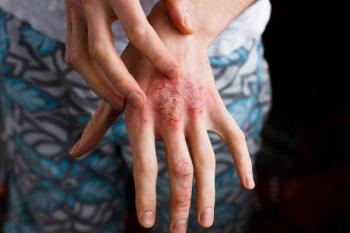
A phase 2 study shows that the oral Janus kinase (JAK) 1 inhibitor abrocitinib quickly improved atopic dermatitis (AD) severity and symptoms versus placebo with some measures achieving statistically significant separation in days.
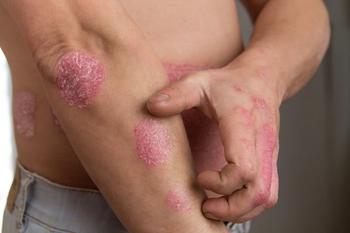
With extended remissions, high safety and favorable dosing schedules, interleukin (IL)-23 inhibitors are well-suited for a variety of patients with psoriasis, says an expert who spoke at the South Beach Symposium
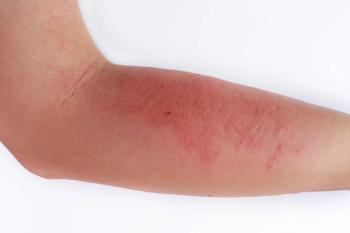
Several new studies indicate that disease burden may be higher in adolescents than in adults with atopic dermatitis, and that adolescents with moderate-to-severe disease may face an even greater unmet therapeutic need.
Lifestyle recommendations are a complex aspect of eczema care. There are many things within in a patient's control that can impact severity and dermatologists should try to help patients identify these, one expert says.

Traditional and popular treatments aimed at calming the often intense pruritus that accompanies atopic dermatitis might not be optimal therapeutic options, according to a recent review.