


Experts share best practices for optimizing treatments using neuromodulators, assessing the next breakthrough products and avoiding complications at the American Society for Dermatologic Surgery (ASDS) Virtual Annual Meeting.
Experts share best practices for optimizing treatments using neuromodulators, assessing the next breakthrough products and avoiding complications at the American Society for Dermatologic Surgery (ASDS) Virtual Annual Meeting.

Dr. Katarina Kesty, St. Petersburg Skin and Laser, St. Petersburg, Fla., discusses her presentation at the 2020 virtual American Society for Dermatologic Surgery (ASDS) meeting about her research using abobotulinumtoxinA injections to combat oil on the forehead.

ASDS announced recipients of its annual awards to include Tina Alster, M.D., FAAD, Sabrina Fabi, M.D. and Matthew Lin, M.D.

ASDS announces the eight recipients of three separate research programs at 2019 annual meeting.
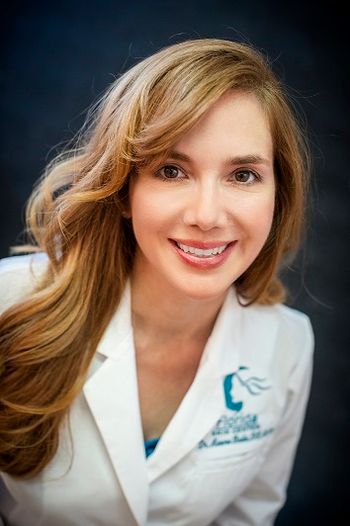
ASDS recently named Dr. Badia as the top national screener for the Choose Skin Health program, administering more then 1,800 screenings in the 2018-2019 program year.
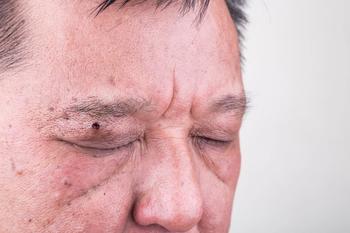
Superficial radiation therapy (SRT) targets only skin cancer cells and has few side effects, researchers reported at the American Society for Dermatologic Surgery annual meeting.
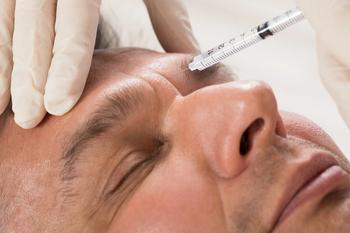
Increasingly higher doses of incobotulinumtoxinA (Xeomin) offer patients a longer duration of response in the treatment for glabellar frown lines, according to recently-presented clinical trial results.

A minimally-invasive surgical skin contouring procedure, currently under investigation, could give patients a new option for removing fat and tightening skin, according to recent clinical trial findings.

Prompt management of skin cancer lesions is stressed for pregnant patients in a recent article in the Journal of the American Academy of Dermatology, but whether it’s applied in clinical practice is unknown.
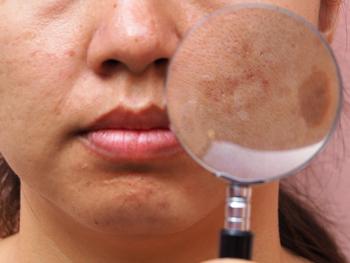
At the recently concluded American Society for Dermatologic Surgery meeting in Phoenix, Arizona, researchers looked at the efficacy of using picosecond lasers to treat melasma, with the aim of reducing adverse effects from current treatment options. The treatment proves to be promising.

Researchers presenting at ASDS show that CR-PCSS and the PR-PCSS scales are reliable tools used to evaluate cellulite severity.

Squamous cell carcinoma in hidradenitis suppurativa is rare, but mortality is high, according to Mayo Clinic researchers reporting at the American Society for Dermatologic Surgery annual meeting last week in Phoenix.

Stage II melanoma patients don’t always benefit from staging PET-CT, according to Duke University Medical Center researchers reporting last week at American Society of Dermatologic Surgery annual meeting in Phoenix.